
Last updated October 15, 2026
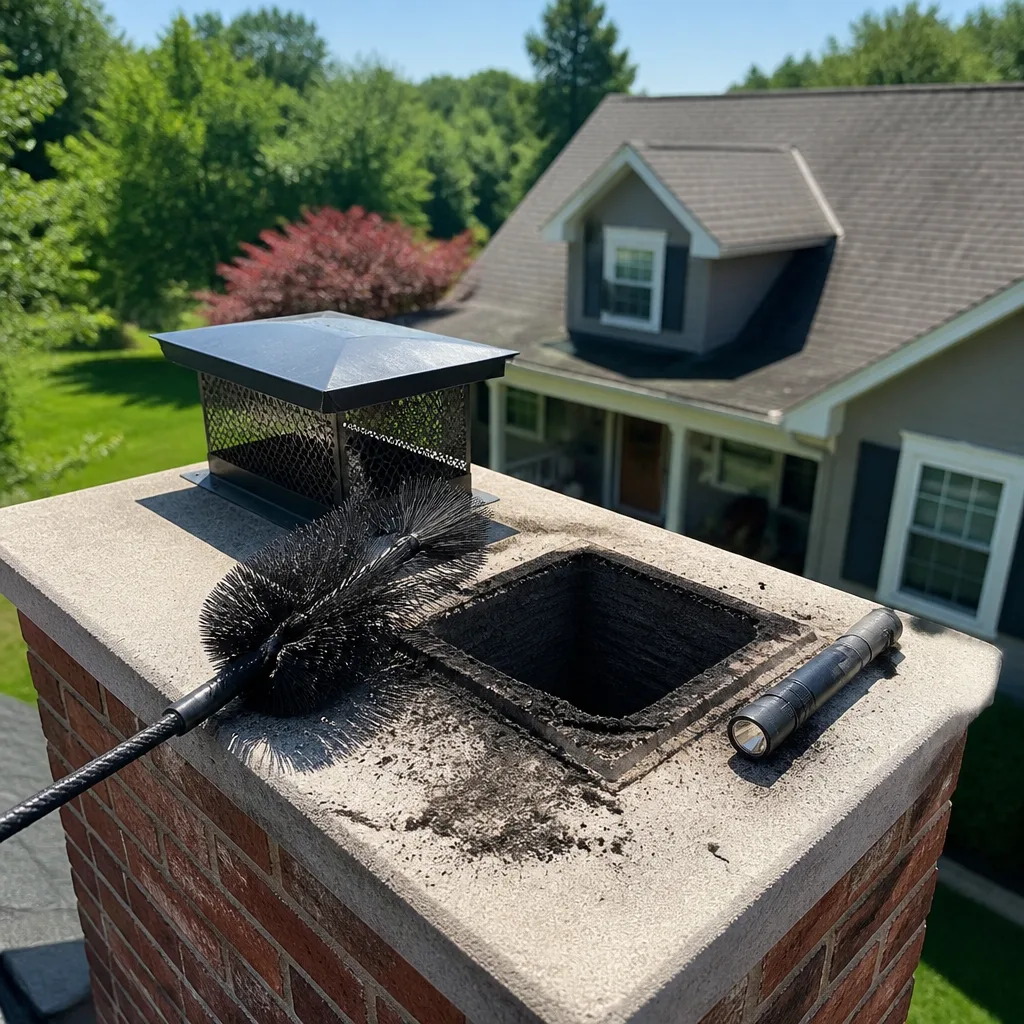 Sweep & inspection
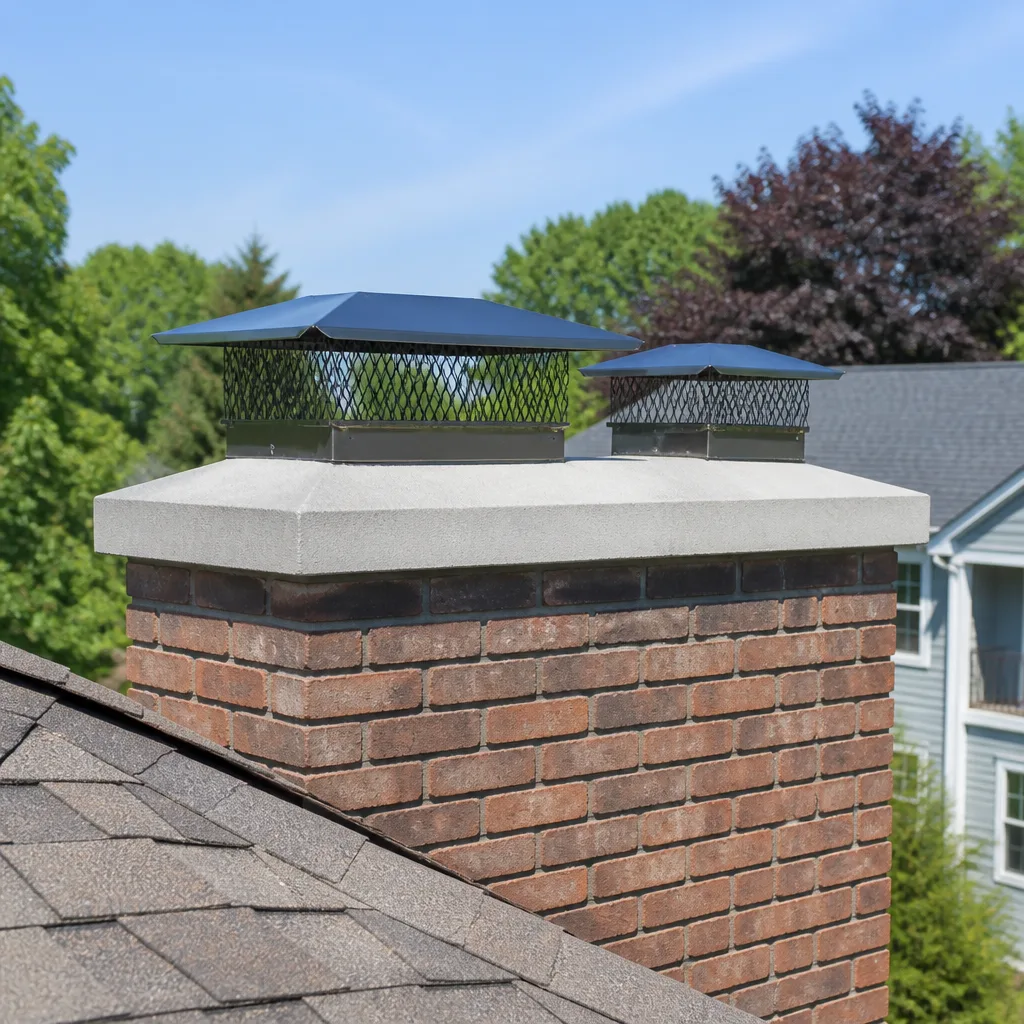 Caps & crowns
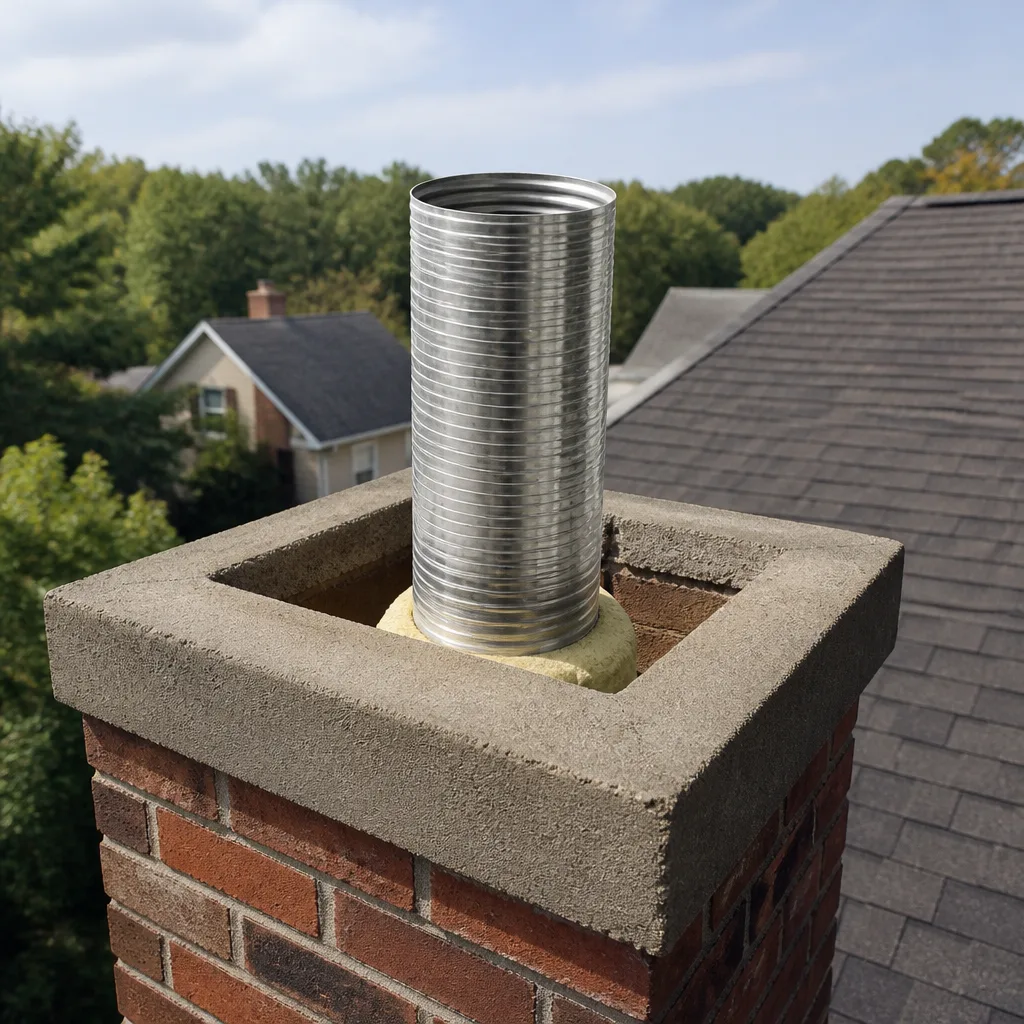 Flue relining
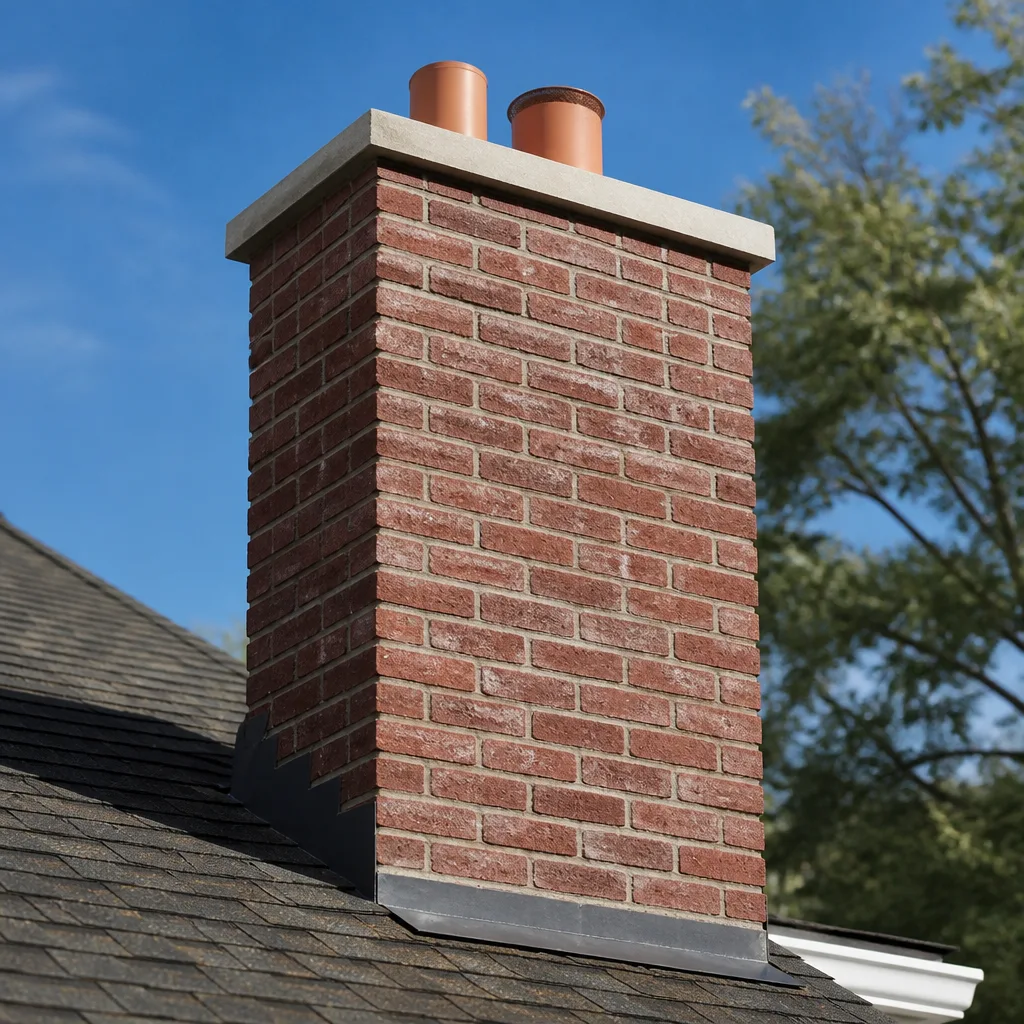 Masonry repair
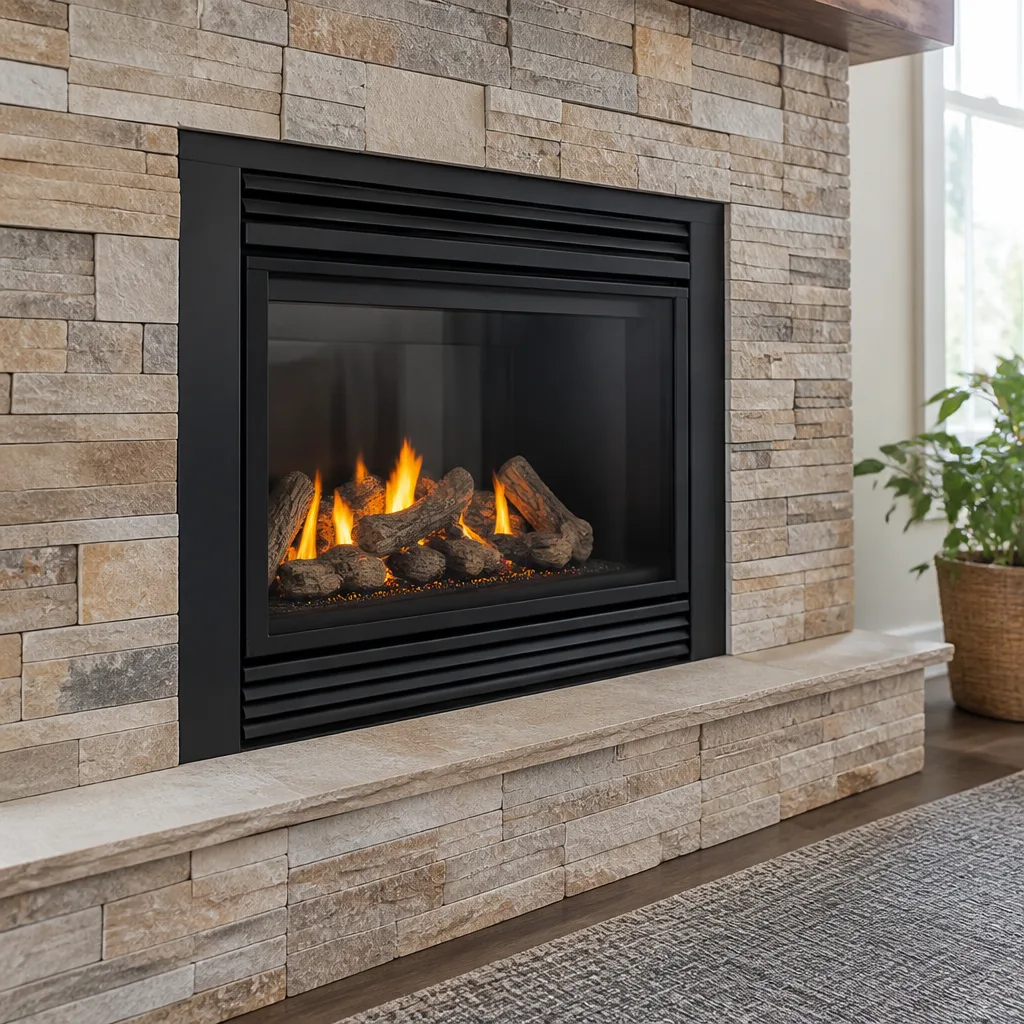 Gas fireplace service
Level 1 sweep and inspection to the NFPA 211 annual standard - flue, crown, cap, and flashing checked and photographed
Chimney sweep logs do not sweep chimneys. They loosen some creosote - which then falls where a brush and vacuum still have to collect it.
The Complete Guide to Chimney Cleaning in Fort Lauderdale
Most Fort Lauderdale homeowners use their fireplace fewer than 15 times a year, yet that infrequent use combined with year-round coastal humidity is precisely what makes chimney deterioration here faster and less obvious than in colder climates. Ask a chimney sweep in Minneapolis what kills chimneys and they’ll point to creosote. Ask us what we see in Fort Lauderdale and the answer is different: salt-laced moisture, dormant periods that let damage accumulate unseen, and a false sense of security that comes from thinking a seldom-used chimney stays clean by default. This guide maps the actual failure sequence we find in Fort Lauderdale chimneys, so you know exactly what you’re paying to prevent when you schedule a chimney cleaning; for more guides & resources, see our blog.
Styles & brands we work with
Quick Answer
Chimney cleaning in Fort Lauderdale typically costs $189 to $349 for a standard sweep and is recommended at least once per year, even if you rarely use your fireplace, because South Florida’s humidity and salt air degrade mortar joints and liners regardless of burn frequency. A cleaning should include creosote removal, a basic condition check of the firebox and damper, and documentation of what the technician found and did. Because chimneys here fail from moisture and corrosion more than from heavy creosote buildup, the inspection that accompanies a professional cleaning matters as much as the brushing itself; read our DIY vs Professional Chimney Cleaning: The Fort Lauderdale Homeowner’s Decision Guide for help choosing your approach.
Table of Contents
- Why Fort Lauderdale Chimneys Fail Differently
- How Often Should You Clean a Chimney in Fort Lauderdale?
- What Actually Happens During a Professional Chimney Cleaning
- Level 1 vs Level 2 Inspections: What Each One Actually Checks
- The Seasonal-Use Problem: Why Your Few Fires Leave More Behind Per Burn
- What a Written Service Agreement Should Include Before Work Begins
- Broward County Construction: What Older Fort Lauderdale Neighborhoods Get Wrong About Chimneys
- When a Cleaning Reveals Bigger Problems: Repair Triggers to Understand
- Common Mistakes to Avoid
- When to Call a Professional
- Frequently Asked Questions
- The Bottom Line
Why Fort Lauderdale Chimneys Fail Differently
A chimney in New England wears down from the inside out: fire after fire deposits creosote, flue gases eat at the liner, and freezing temperatures expand the brickwork. A chimney in Fort Lauderdale wears down from the outside in. The enemies here are different.
Salt air is the first thing northern guides miss. Fort Lauderdale sits directly on the Atlantic coast, and prevailing easterly winds carry a fine, persistent salt mist inland for miles. That salt settles into the porous surface of brick and mortar. Every humid morning, the salt absorbs moisture from the air. Every afternoon sun bakes it dry. That cycle, repeated hundreds of times a year, creates crystallization pressure inside the masonry itself, a slow mechanical force that pushes mortar joints apart grain by grain. The technical term is salt spalling. In plain language, your chimney is being sanded down by the ocean air.
Humidity compounds the problem. Fort Lauderdale’s average relative humidity runs around 74 percent year-round, with summer months regularly above 80 percent. That moisture doesn’t just sit on the surface. It penetrates. When warm, humid air enters a cool chimney flue, condensation forms on the liner walls. If your liner is terra cotta, the standard material in most Fort Lauderdale homes built before the 1990s, that condensation soaks into the clay. Over years, the liner develops hairline cracks, then spalls, then sections begin to fail. A chimney that has seen only a dozen fires in its entire life can still fail an inspection because the liner is deteriorating from condensation alone.
What this means for you: chimney cleaning in Fort Lauderdale is less about what the fire left behind and more about what the climate is doing right now. The cleaning gets you in the door, but the inspection that accompanies it is where the real value lives, because that’s when we spot moisture damage before it becomes a structural repair.
We’ve worked with Fort Lauderdale chimneys since 2002 through Flint Chimney Co Fort Lauderdale, and our technicians can tell you the same pattern we see year after year: a homeowner who fires up the fireplace twice over the holidays, never thinks about the chimney, and calls us only after water stains appear on the ceiling. By then, the repair is more expensive than a decade of annual cleanings would have been. That’s the Florida failure sequence in a nutshell.
How Often Should You Clean a Chimney in Fort Lauderdale?
The National Fire Protection Association standard, NFPA 211, says chimneys should be inspected at least once a year and cleaned as needed. That standard doesn’t make a regional exception for warm climates, and for good reason. Here in Fort Lauderdale, the annual recommendation holds, but for different reasons than in colder states.
In Vermont, you clean annually because you burn three cords of wood and creosote builds up thick enough to ignite. In Fort Lauderdale, you clean annually because the inspection catches spalling mortar, liner condensation damage, rusted dampers, and animal intrusion before those problems become structural. The brush still removes what it can, but the bigger win is what the technician reports back.
A practical rule for Fort Lauderdale: if you burn more than 20 fires a year, clean after every burn season or every 40 to 50 fires. If you burn fewer, which most Fort Lauderdale homeowners do, an annual cleaning and inspection is still the right call, because the moisture-driven damage we described above doesn’t wait for you to use the fireplace; see our Seasonal Chimney Cleaning Care for Fort Lauderdale: Year-Round Homeowner’s Guide for the full maintenance calendar. It operates on its own schedule.
We also recommend a cleaning any time you hear animals in the flue, see rust or staining on the firebox walls, notice a smell coming from the fireplace on humid days, or after any storm strong enough to move chimney caps or flashing. Those are not routine maintenance triggers. They’re evidence that something has already changed inside the system.
What Actually Happens During a Professional Chimney Cleaning
A lot of homeowners picture a guy with a wire brush on a stick. The reality is more methodical, and the difference between a legitimate chimney sweep in Fort Lauderdale and a fly-by-night operation often comes down to the steps the sweep takes before and after the brushing.
Here’s the standard sequence a professional cleaning should follow. If someone offers to clean your chimney without most of these steps, you’re paying for a brush in a hole, not a real service.
- Site protection comes first. A professional lays drop cloths from the front door to the fireplace, covers furniture within eight feet of the opening, and sets up a HEPA-filter vacuum with a sealed canister. No dust should enter your living space. If a company shows up without floor protection, that tells you something.
- Visual pre-inspection. The technician examines the firebox, damper, smoke shelf, and visible flue surfaces before touching anything. This baseline tells us what’s already damaged versus what the cleaning process might reveal.
- Flue brushing. Using correctly sized wire or poly brushes matched to your flue dimensions, the technician scrubs the full length of the flue from top to bottom or bottom to top, depending on access. This removes soot, creosote, and any loose debris.
- Vacuum removal. The vacuum runs continuously during and after brushing to capture loosened material at the base. A proper setup creates negative pressure so nothing escapes into the room.
- Damper and smoke shelf cleaning. These areas trap debris and are the most commonly skipped spots in an amateur cleaning. A thorough sweep clears them.
- Post-cleaning inspection. This is the step that matters most in Fort Lauderdale. After the flue is clean, the technician re-examines the liner, mortar joints, damper, and crown with a clear view. Hairline cracks and spalling that were hidden under soot are now visible.
- Written report. You receive documentation of what was found, what was done, and what, if anything, needs attention. Flint Chimney Co Fort Lauderdale includes this written condition report with every cleaning, because a verbal “looks fine” isn’t something you can hand to a home inspector later.
A standard sweep in Fort Lauderdale takes between 45 and 90 minutes depending on flue height and how long it’s been since the last cleaning. If a technician says they’ll be done in 15 minutes, they’re skipping steps.
Level 1 vs Level 2 Inspections: What Each One Actually Checks
Chimney inspections come in three levels under the NFPA 211 standard, and knowing the difference saves you from paying for the wrong one. Here’s the straight explanation.
Level 1 inspection is the one included with a routine cleaning. The technician examines the readily accessible portions of the chimney: the firebox, damper, smoke chamber, flue interior as far as visible, and the exterior chimney from the ground or roof, depending on access. A Level 1 confirms that the chimney is functioning as it has been and that nothing obvious has changed since the last inspection. It’s the right inspection for chimneys that have been in continuous, problem-free service without any changes to the system.
Level 2 inspection is more thorough and is required under NFPA 211 when any of these conditions apply: you’re buying or selling the home, the chimney has been damaged by a storm or structural event, you’ve changed the fuel type or appliance connected to the flue, or a Level 1 revealed something that warrants closer examination. A Level 2 includes everything in a Level 1 plus access to attic, crawl space, and basement areas where the chimney passes through, plus a video scan of the interior flue. The camera reveals liner cracks, separated flue tiles, and obstructions that a mirror and flashlight simply cannot see.
In Fort Lauderdale, we strongly recommend a chimney inspection in Fort Lauderdale at Level 2 for any chimney that hasn’t been inspected in three years or more, regardless of use. The moisture-driven issues we described earlier happen inside the flue where you’ll never see them. A video inspection is the only way to know whether your terra cotta liner is intact or whether condensation has already started the spalling process that leads to a full chimney repair in Fort Lauderdale.
Level 3 inspections involve removing portions of the chimney structure to examine concealed areas. They’re rare and reserved for cases where a Level 2 suggests hidden structural damage. Most Fort Lauderdale homeowners will never need one, but if you do, it typically follows a storm event or a suspected chimney fire.
The Seasonal-Use Problem: Why Your Few Fires Leave More Behind Per Burn
Here’s a counterintuitive fact that surprises most of the Fort Lauderdale homeowners we talk to: a chimney that sees five fires a year often has more troublesome carbon deposits per burn than a chimney that sees fifty.
The reason is combustion temperature. A fireplace that runs regularly reaches and holds steady operating temperatures. That heat drives off moisture in the wood, keeps the flue gases hot enough to exit without condensing, and limits the formation of pyrolytic carbon, the hard, shiny, tar-like substance that forms when wood gases partially combust and then condense on cooler flue walls. In a frequently used chimney, that deposit either gets burned off at high temperature each cycle or gets brushed away before it accumulates.
A seasonal-use fireplace behaves differently. You light a fire on a cool December evening in Fort Lauderdale, the fire burns for an hour or two, and then it goes cold. During that short burn, the flue never reaches the sustained temperature needed to carry combustion byproducts out cleanly. The gases cool rapidly, condense on the flue walls, and bake into pyrolytic carbon. Then the chimney sits dormant for weeks or months while that carbon hardens further. The next fire adds another layer. After a season of occasional burns, you have a thin but stubborn coating of pyrolytic carbon that is actually more difficult to remove than the fluffy creosote that builds up in regularly used northern chimneys.
Pyrolytic carbon also ignites at a lower temperature than most homeowners would guess, around 650 to 750 degrees Fahrenheit, and when it burns, it burns hot and fast. A chimney fire in a seasonal-use Fort Lauderdale chimney is not a theoretical risk. We’ve seen the aftereffects: cracked flue tiles, warped dampers, and in severe cases, damage to the smoke chamber that required structural repair.
The takeaway isn’t to burn more fires. It’s to understand that infrequent burning doesn’t mean you can skip cleaning. If anything, the math runs the other direction. The fewer fires you burn, the more each individual fire contributes to the deposit load per burn, and the less likely you are to notice the gradual accumulation until something goes wrong.
What a Written Service Agreement Should Include Before Work Begins
Every chimney cleaning in Fort Lauderdale should come with a written service agreement before the first tool comes off the truck, and our How to Hire a Chimney Cleaning Contractor in Fort Lauderdale: A Step-by-Step Guide shows what else to look for. If a company won’t put it in writing, find another company. That’s not a nicety. It’s the single most reliable predictor of whether your final invoice will match your quoted price.
Flint Chimney Co Fort Lauderdale operates under The Garrison Standard, the same code every Garrison Partners location follows, and that standard requires a written price before any work starts. The number you approve is the number you pay. Here’s what a legitimate written agreement should include:
- The exact scope of work. “Chimney cleaning” should be defined: full flue brushing, smoke shelf cleaning, damper inspection, post-clean condition report. If cleaning a chimney cap or removing an animal is extra, that should be in writing too.
- The price. A dollar figure, not an estimate range with wiggle room. Every job Flint Chimney Co Fort Lauderdale takes gets a written price before work begins. No exceptions.
- The timing. When the technician arrives, how long the work is expected to take, and what happens if something delays the job.
- What’s included in the inspection. A basic Level 1 inspection is part of our standard sweep. If you want a Level 2 video inspection, that’s a separate line item with its own price.
- Warranty terms. Any repair work carries a written guarantee. Our 365-Day Done Right Promise covers repairs for a full year from the service date, and if a covered repair fails during that period, we return at no charge. That’s not a promise we make verbally. It’s the language in the written guarantee we hand you.
- Cleanup responsibility. The agreement should state that the work area will be protected and left clean, and what happens if that standard isn’t met.
We’ve been part of the Garrison Partners family since 2002, and the reason The Garrison Standard exists is simple: chimney services have a reputation problem, and it’s earned. Homeowners have been burned by no-shows, price changes at the door, and messes left behind. A written agreement is the only honest fix. If a company hesitates to put things in writing, that hesitation is your answer.
Broward County Construction: What Older Fort Lauderdale Neighborhoods Get Wrong About Chimneys
Fort Lauderdale’s housing stock spans a wide range of construction eras, and each era has its own chimney characteristics. Knowing which category your home falls into helps you understand what to expect when the technician arrives.
Pre-1960 homes in neighborhoods like Victoria Park, Sailboat Bend, and Croissant Park were often built with true masonry chimneys: full brick or stone structures with terra cotta flue liners and lime-based mortar. That lime mortar was designed to breathe and flex, which served those chimneys well for decades, but it also absorbs moisture readily. After sixty-plus years in a coastal climate, those mortar joints are often nearing the end of their service life. We regularly see spalling mortar and loose bricks on chimneys of this vintage in Fort Lauderdale, even when the interior flue is in passable shape.
Homes built between 1960 and 1990, common across Plantation, Davie, and western Fort Lauderdale subdivisions, typically have masonry chimneys with terra cotta liners but were built with harder Portland cement mortar. That mortar withstands compression well but doesn’t flex. The expansion and contraction cycle of Florida’s heat and humidity eventually creates hairline cracks that let water in. Once water gets behind the face of that mortar, spalling accelerates.
Post-1990 construction in many Fort Lauderdale suburbs often skipped true masonry entirely. Builders opted for prefabricated metal chimneys, known in the trade as factory-built or prefab systems, which are lighter, cheaper to install, and adequate for the occasional decorative fire. But those metal systems have their own failure points: rust at the flue joints, degraded refractory panels, and warped chimney caps. A prefab chimney in a 25-year-old Fort Lauderdale home can be in worse condition than a masonry chimney from 1965, because the materials were never intended for a multi-decade coastal lifespan.
What this means for cleaning: the approach differs by system. A masonry chimney gets a wire brush matched to the flue dimensions. A prefab chimney gets a poly brush and a gentler touch, because wire brushes can damage the thinner metal walls. If a technician doesn’t ask what kind of chimney you have before choosing the brush, they’re not paying attention.
Broward County also carries a quirk worth knowing: many homes in Fort Lauderdale built before the adoption of county-wide building codes in the 1970s have chimneys that wouldn’t meet current clearance or construction standards. That doesn’t mean they’re dangerous by default, but it does mean routine inspections identify more code-corrective items here than in newer communities. A good inspector reports what they see and tells you what’s urgent versus what can wait. Nothing is recommended without camera evidence you can see for yourself, and if the work can safely wait, we’ll say so plainly.
When a Cleaning Reveals Bigger Problems: Repair Triggers to Understand
A chimney cleaning is often the moment a homeowner learns their chimney needs more than brushing. The most common repair triggers we document during cleanings in Fort Lauderdale fall into a few categories, and it helps to understand each before the technician reports back.
Spalling mortar and brick. If the exterior brick faces are flaking, crumbling, or leaving granules in the gutter, the masonry is failing. Tuckpointing, the process of cutting out and replacing deteriorated mortar joints, is the standard fix when the damage is caught early. Left alone, spalling progresses inward until bricks loosen and water enters the chimney structure. We use professional-grade materials for these repairs, selecting products from manufacturers like Olympia Chimney and Famco based on the specific job, not whatever is cheapest on the shelf.
Liner cracks and gaps. Terra cotta flue liners crack from moisture, heat stress, or chimney settlement. A video inspection shows the cracks clearly. Depending on severity, options include resurfacing the liner with a product like HeatShield, which was developed specifically for restoring damaged flue systems, or a full flue relining, which means installing a new liner inside the existing flue. Flue relining, replacing the inner liner that channels smoke safely out of the house, is a significant repair but far less invasive than rebuilding the chimney. Chimney repair in Fort Lauderdale is something we scope carefully, always with a written price before work begins.
Water intrusion at the crown or flashing. The chimney crown is the concrete cap at the top that sheds water away from the flue. In Fort Lauderdale’s rain-heavy climate, crown cracks are the single most common entry point for water. Flashing, the sheet metal seal where the chimney meets the roof, is a close second. Both are repairable when caught early and expensive to ignore, because the water travels down into the firebox, the attic, and eventually your ceilings.
Damper failure. The metal plate that closes off the flue when the fireplace isn’t in use. In humid climates, dampers rust and seize faster than anywhere else. A damper that won’t fully close lets conditioned air escape in summer and lets humidity enter the flue year-round. Replacement dampers from manufacturers like Gelco are straightforward repairs that make an immediate difference in both efficiency and comfort.
The key principle across all of these: nothing gets recommended without camera evidence. When our technicians identify a repair trigger during a cleaning, they document it with photos or video and walk you through exactly what they’re seeing. If a repair can wait, we say so. The goal is not to turn every cleaning into a project. The goal is to make sure you have the information to make the decision on your own terms.
Common Mistakes to Avoid
- Skipping annual cleaning because you don’t use the fireplace often. In Fort Lauderdale, low use doesn’t mean low risk. The humidity and salt air are attacking your chimney even when there’s no fire in the firebox.
- Hiring a general handyman for chimney work. Chimney systems are governed by fire safety standards, and the difference between a proper cleaning and a brush on a pole is invisible until something fails. A trained technician knows what to look for and writes it down.
- Accepting a verbal quote. If the price isn’t in writing before work starts, you have no protection when the invoice arrives with a different number. A written price is the standard, not a favor.
- Ignoring water stains on the ceiling near the chimney. Water stains are the last symptom in a chain that started months or years earlier with a crack somewhere in the chimney system. By the time you see the stain, the repair has already grown.
- Burning unseasoned wood in a seasonal-use fireplace. Wet or green wood in a chimney that never reaches full operating temperature is a recipe for rapid pyrolytic carbon buildup. Burn dry, well-seasoned wood even for occasional fires.
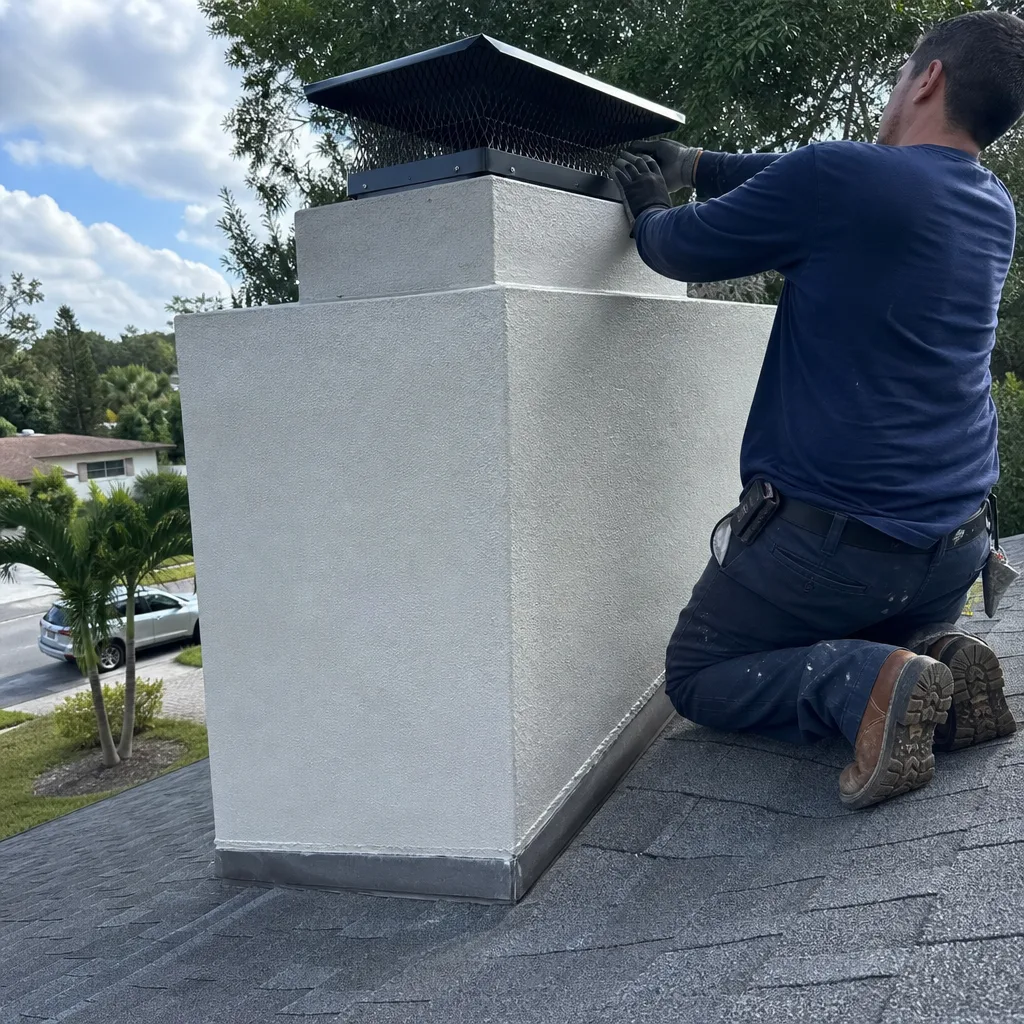
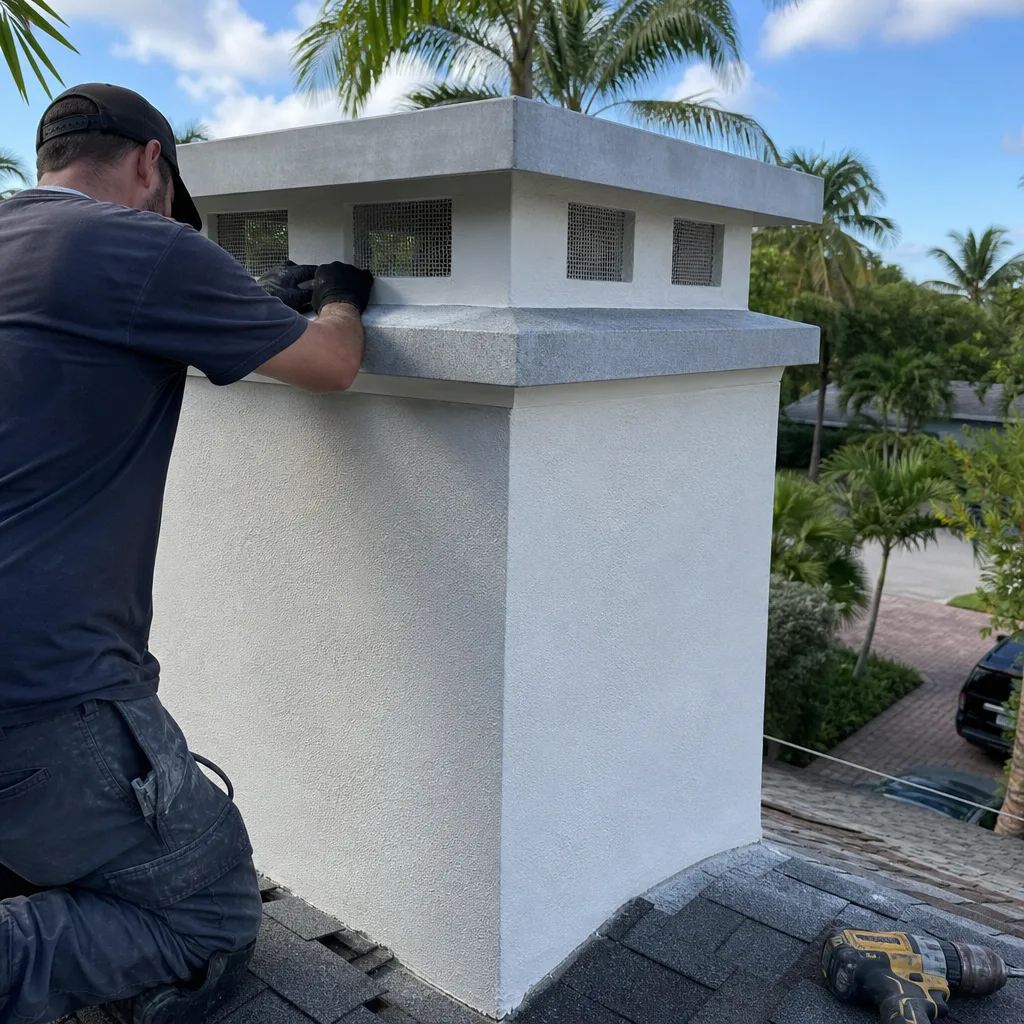
- Installing a chimney cap and forgetting it. A cap is essential in Fort Lauderdale to keep rain, birds, and debris out, but caps corrode in the salt air. A rusted or dislodged cap is worse than none at all if it’s blocking the flue.
- Assuming a prefab chimney needs no maintenance. Metal chimneys have their own service life and failure modes, and in a coastal climate that service life is compressed. Annual inspection applies to prefab systems just as much as masonry.
When to Call a Professional
If you haven’t had your chimney inspected in more than 12 months, that’s the shortest answer: it’s time. But there are specific signals that shouldn’t wait for an annual rhythm. A musty smell from the fireplace on humid days suggests moisture inside the flue. Rust or flaking on the damper or firebox walls points to condensation. White staining on exterior brick is salt or mineral efflorescence, a sign that water is moving through the masonry. Animals sounds from the chimney, a chimney cap that’s shifted or rusted, or any smoke entering the room during a fire are all immediate call triggers. Flint Chimney Co Fort Lauderdale offers free estimates in Fort Lauderdale. Call (754) 354-1430 and a live person answers, any hour of any day.
Frequently Asked Questions
A standard chimney cleaning in Fort Lauderdale typically runs $189 to $349, depending on flue height, chimney type, and how long it’s been since the last cleaning. A Level 2 inspection with video scanning is priced separately and typically adds $150 to $300. Every job with Flint Chimney Co Fort Lauderdale gets a written price before work begins, so the number you approve is the number you pay. Call (754) 354-1430 for an exact quote based on your chimney, not a range.
Yes, and the reason is Fort Lauderdale-specific: the humidity, salt air, and condensation that degrade your mortar and liner operate year-round, regardless of how often you burn. The annual cleaning is as much an inspection as it is a brushing, and that inspection is where we catch spalling mortar, liner cracks, and animal intrusion before those problems turn structural. A chimney that sees five fires a year still needs an annual look.
Plan for 45 to 90 minutes for a standard cleaning on a single-flue chimney in Fort Lauderdale. That includes site protection, the brushing itself, damper and smoke shelf cleaning, and the post-cleaning inspection report. If your chimney hasn’t been cleaned in years or the flue is unusually tall, the job runs longer.
Cleaning removes the deposits and debris from the flue, smoke shelf, and damper. Inspection evaluates the condition of the chimney system: the liner, mortar joints, crown, flashing, damper, and firebox. A professional cleaning in Fort Lauderdale includes a Level 1 inspection as part of the service, because you can’t see what’s wrong until the soot and pyroltic carbon are off the walls. A Level 2 inspection goes further with a video camera scan of the flue interior.
Yes, and the risk is higher in seasonal-use chimneys than most homeowners assume. Pyrolytic carbon, the hard, shiny deposit left by occasional low-temperature fires, ignites at a lower temperature than fluffy creosote and burns hotter. A chimney fire in a Fort Lauderdale fireplace can crack flue tiles, warp the damper, and damage the smoke chamber in minutes. Regular cleaning is the prevention.
Gas fireplaces still produce combustion byproducts and still have vents that need to stay clear. The deposits are different, primarily light soot and mineral residue, but the venting system, cap, and termination all need inspection. In Fort Lauderdale, gas fireplace vents also collect the same salt and humidity exposure as wood chimneys, and the annual check is how you catch corrosion before it blocks the exit path.
The Bottom Line
Fort Lauderdale chimneys don’t fail the way northern chimneys do, and the biggest mistake a homeowner can make is applying northern advice to a coastal Florida chimney. Your chimney is fighting salt air, humidity, and condensation every single day, whether you’re burning fires or not. The annual cleaning is your inspection vehicle, the moment a trained technician sees what’s changing inside the flue and documents it in writing. Flint Chimney Co Fort Lauderdale has operated under The Garrison Standard since 2002, which means a written price before the work starts, a written guarantee on every repair, and a live person answering the phone whenever you call. If it’s been more than a year since your last chimney check, call (754) 354-1430 for a free estimate. For an overview of our full service area, start at the Flint Chimney Co Fort Lauderdale home page.
Written by Hank Delano, Owner at Flint Chimney Co Fort Lauderdale, serving Fort Lauderdale since 2002.
See the difference
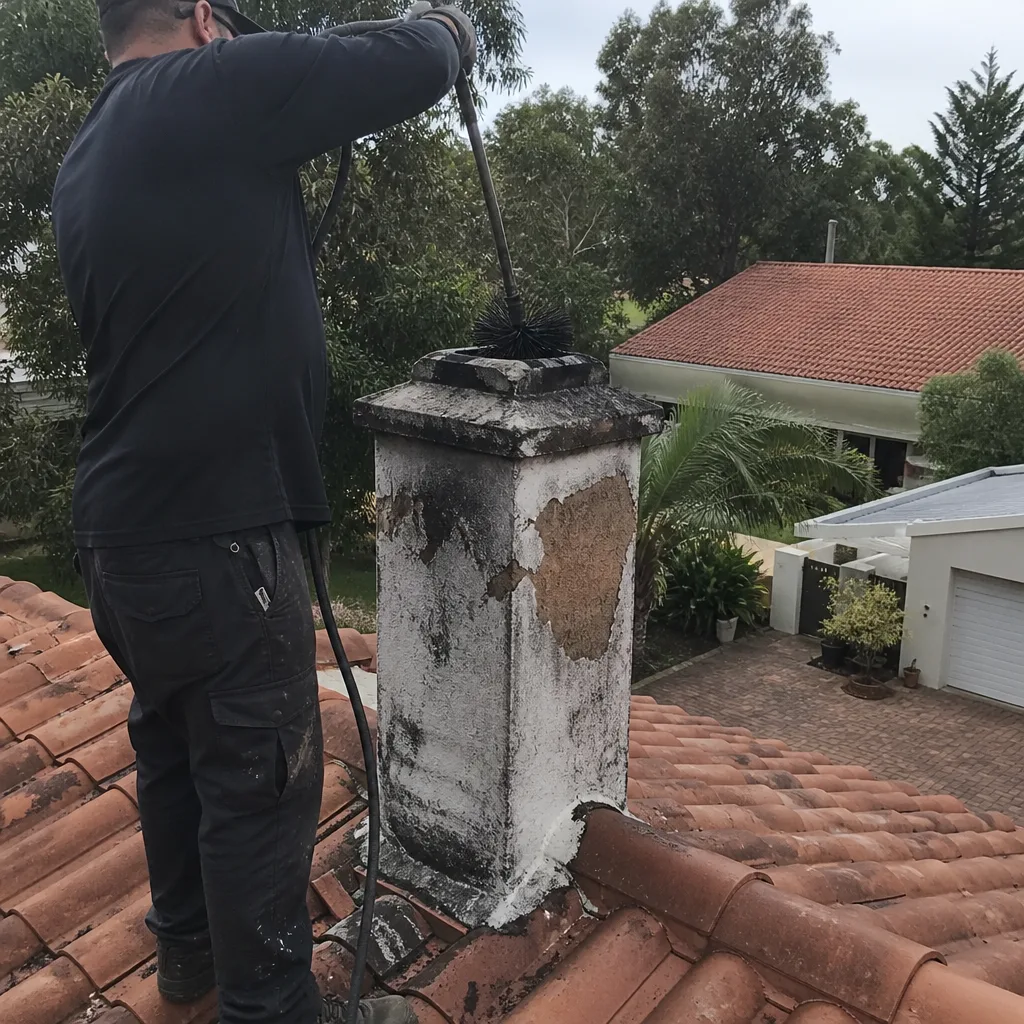 Before
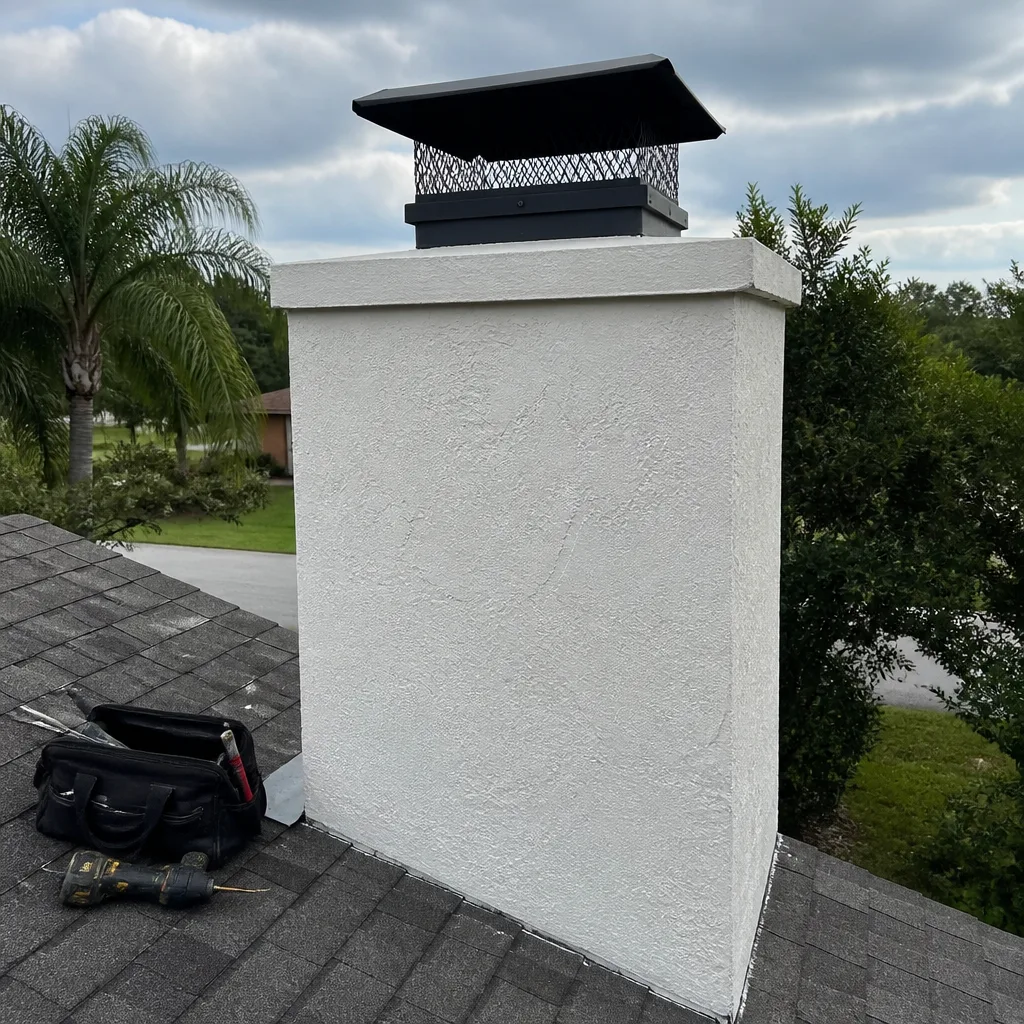 After
After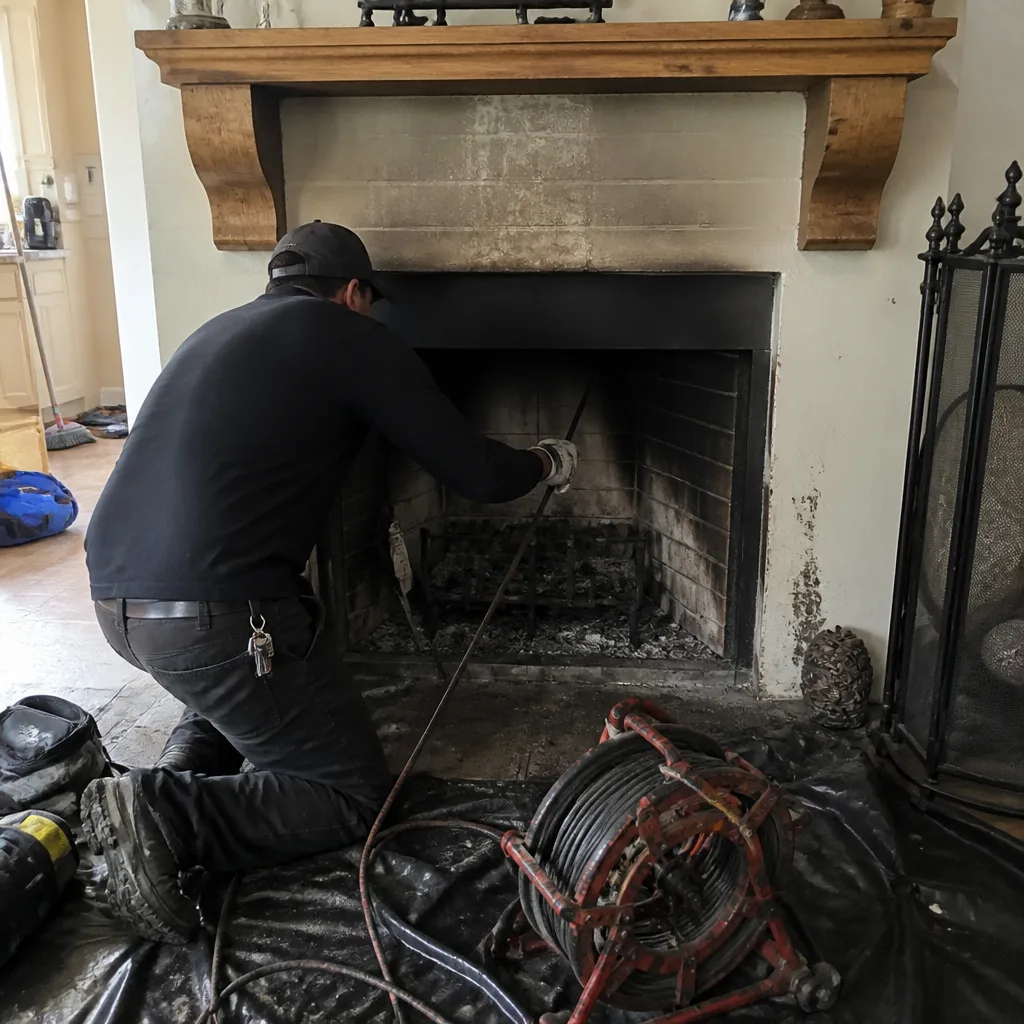 Before
 After
After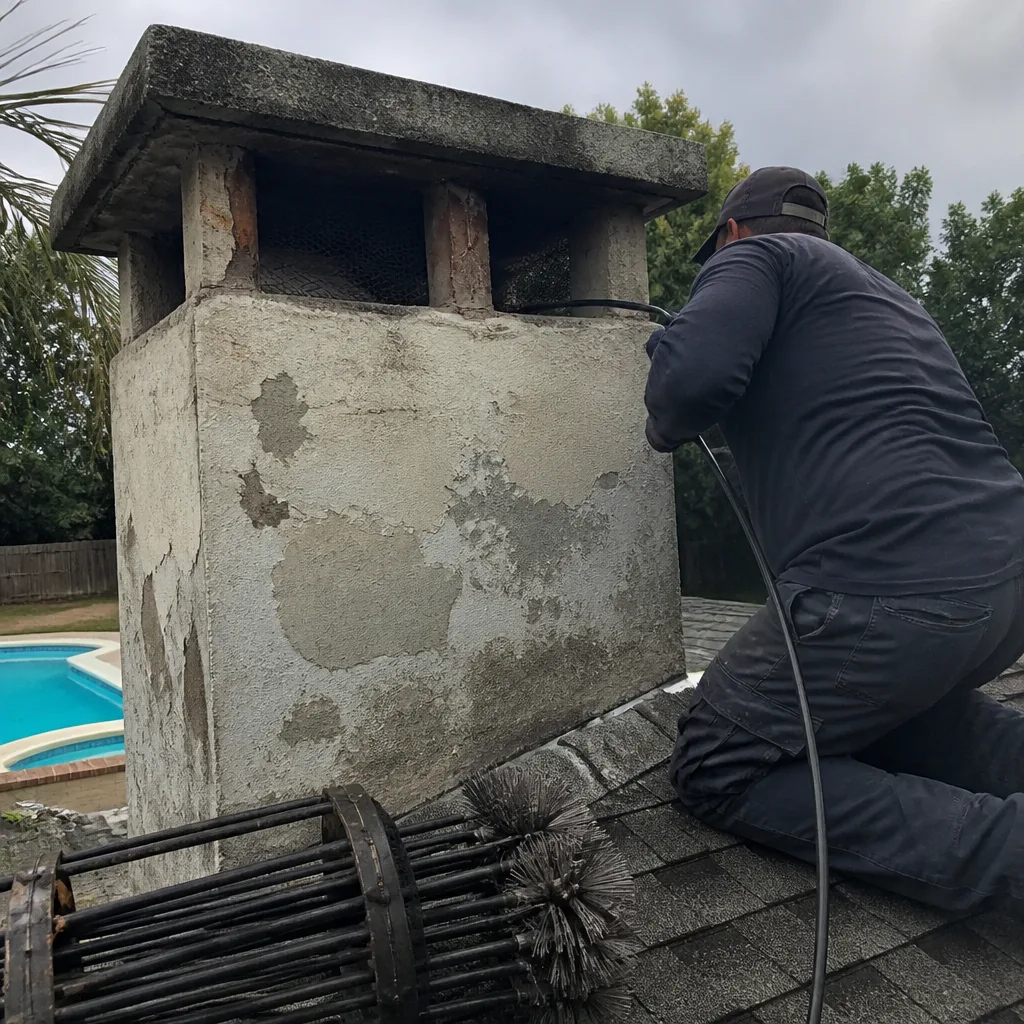 Before
 After
After