
Last updated October 15, 2026
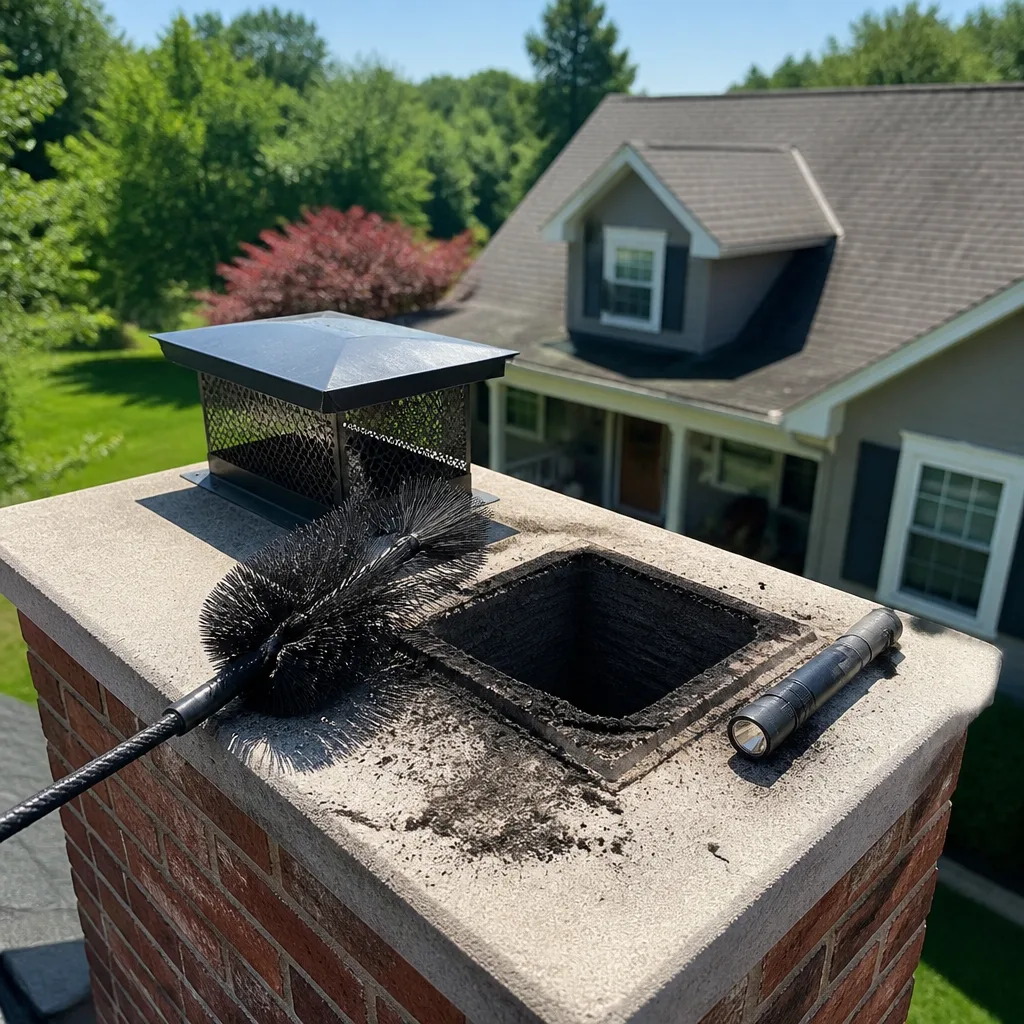 Sweep & inspection
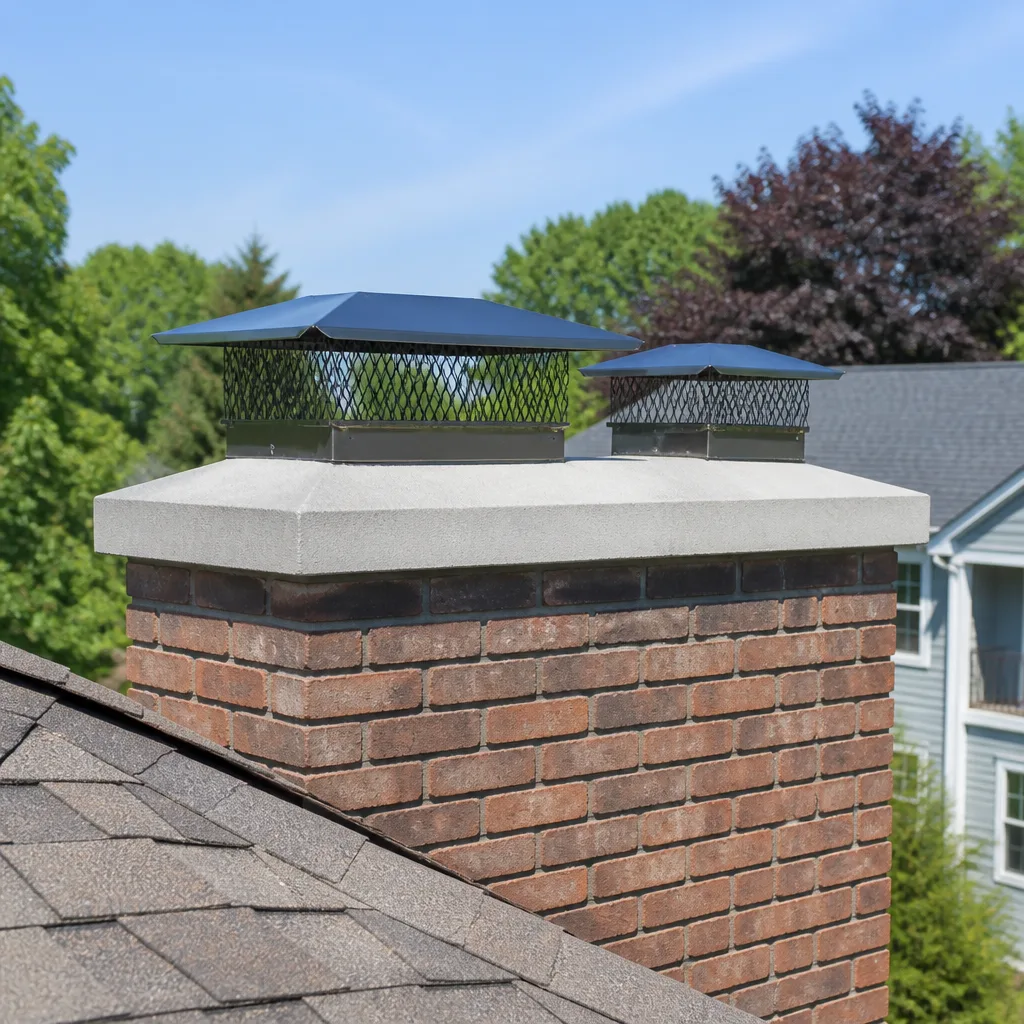 Caps & crowns
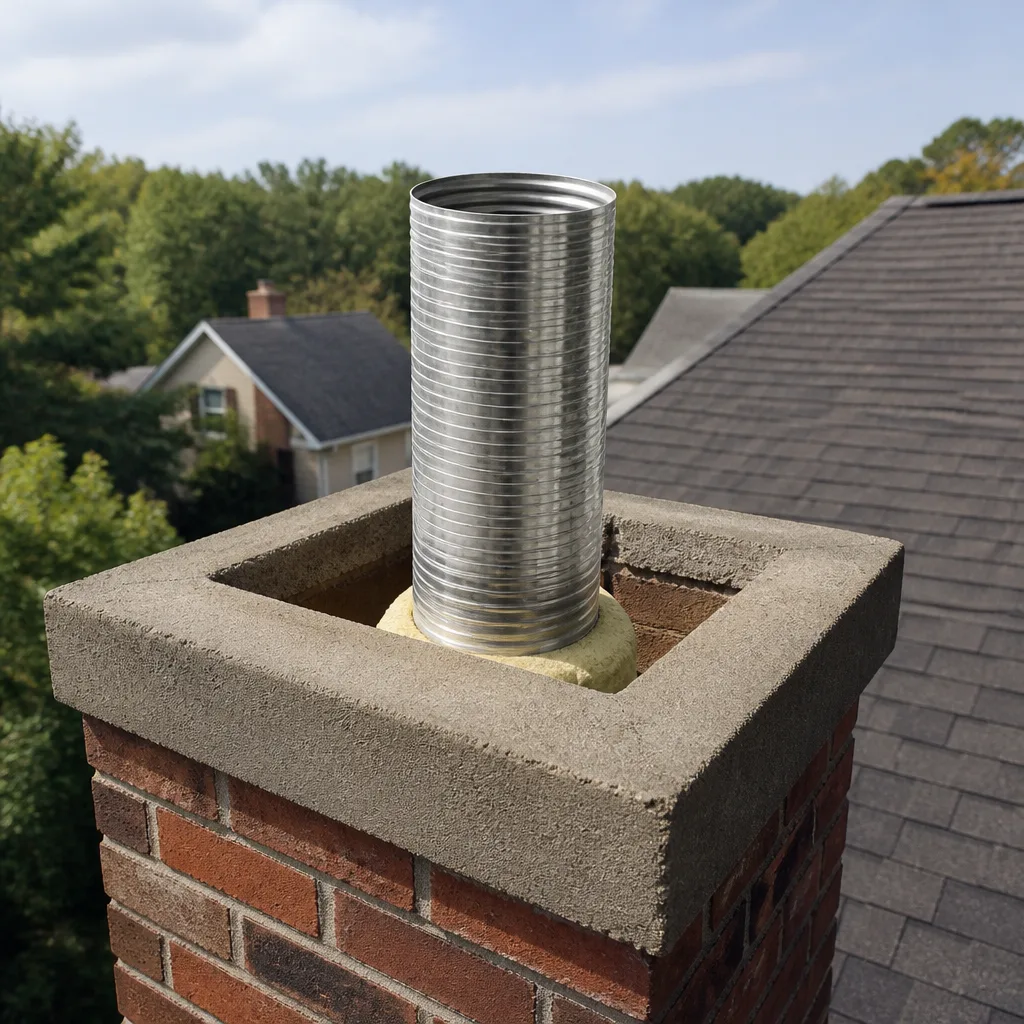 Flue relining
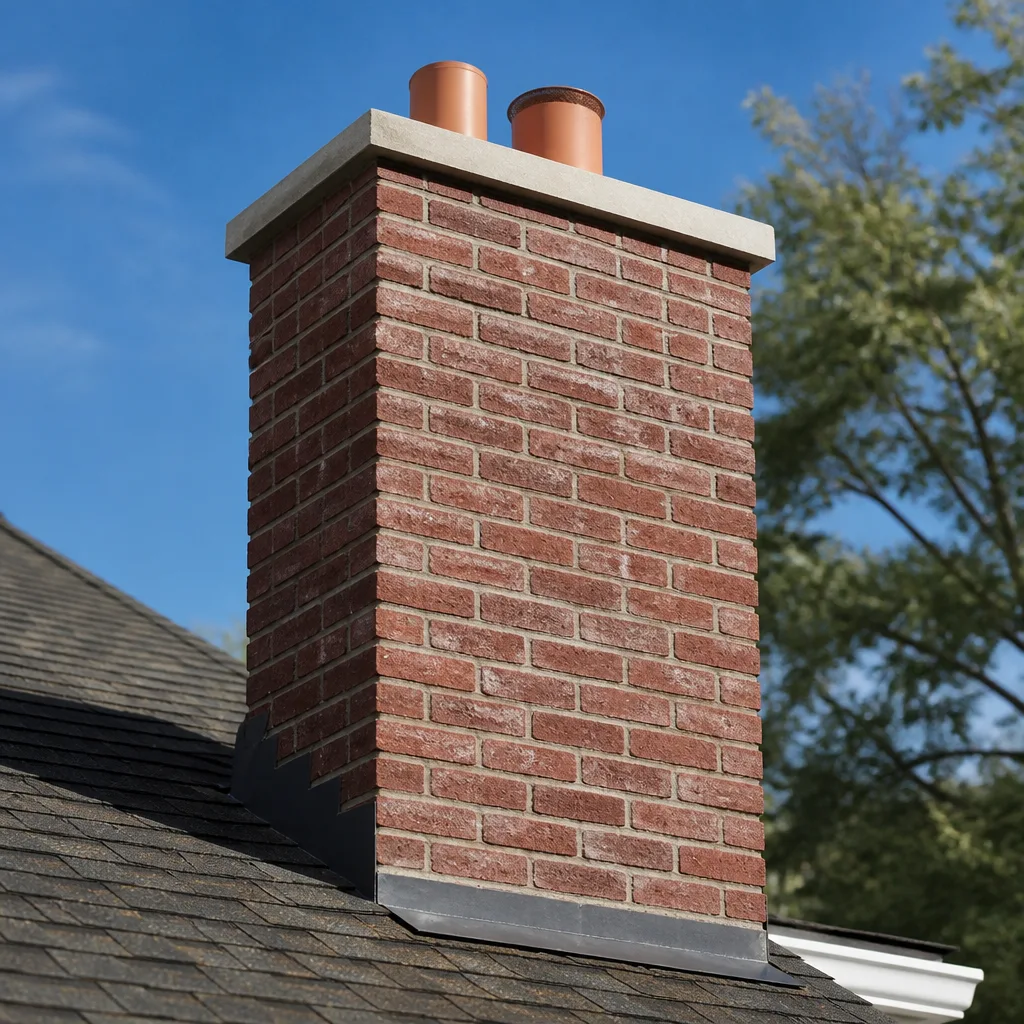 Masonry repair
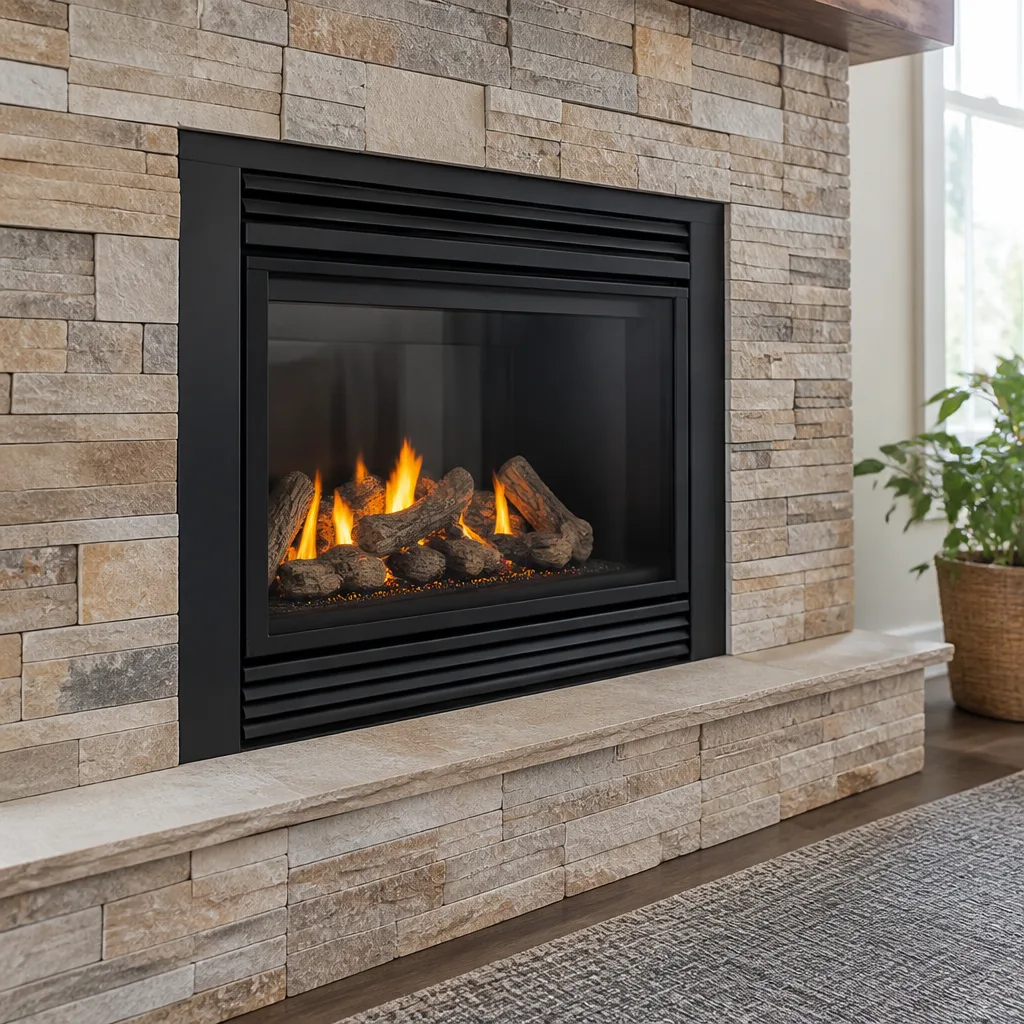 Gas fireplace service
Level 1 sweep and inspection to the NFPA 211 annual standard - flue, crown, cap, and flashing checked and photographed
Chimney sweep logs do not sweep chimneys. They loosen some creosote - which then falls where a brush and vacuum still have to collect it.
DIY vs Professional Chimney Cleaning: The Fort Lauderdale Homeowner’s Decision Guide
A chimney brush kit costs about $60 online and will remove the loose soot you can see. What it won’t do is tell you that the clay flue tiles above your firebox have hairline cracks from two decades of humidity cycles, or that your stainless liner is corroding at the roofline, or that the smoke shelf is blocked with a hardened creosote plug you can’t reach with any extension rod. In Fort Lauderdale, where fireplaces sit idle for most of the year and South Florida’s salt air and wet season do quietly corrosive work, the real question isn’t whether you can clean a chimney yourself. It’s whether cleaning is the part that actually matters. This guide walks you through exactly where the DIY boundary sits, what you can safely do with a flashlight and a shop vac, what requires trained eyes and a camera system, and why the distinction carries more weight in a coastal Florida climate than it does up north.
Quick Answer
Most Fort Lauderdale homeowners can safely remove firebox ash and surface soot with basic tools, but a true chimney cleaning that meets NFPA 211 standards requires a professional with diagnostic equipment. The reason isn’t the soot. It’s that in South Florida’s humidity, a chimney’s biggest threats are hidden liner cracks, corroded metal components, and blocked smoke shelves that no DIY kit can detect. A professional sweep in Fort Lauderdale typically runs $189 – $319 and includes the camera inspection that catches the $3,000 – $8,000 problems before they become $15,000 chimney fires. For a detailed look at what drives these numbers, see our Chimney Cleaning Cost Breakdown: The Fort Lauderdale Homeowner’s Reference for 2026.
Styles & brands we work with
Table of Contents
- Where the DIY Boundary Actually Sits
- What a DIY Chimney Cleaning Misses
- Why Fort Lauderdale’s Climate Changes the Math
- What NFPA 211 Actually Requires
- The Real Cost Breakdown: DIY vs Professional in Fort Lauderdale
- The Insurance and Liability Question Nobody Talks About
- What You Can Safely Do Yourself
- Common Mistakes to Avoid
- When to Call a Professional
- Frequently Asked Questions
Where the DIY Boundary Actually Sits
Let’s start with an honest distinction that most more guides & resources gloss over. There are two different activities people call “chimney cleaning.” The first is removing loose debris: ash from the firebox, soot that has settled on the damper, a bird nest you can see from the ground. The second is a full sweep: removing the creosote and soot deposits from the entire flue liner, from smoke shelf to chimney cap, and then evaluating whether that liner is still doing its job. The first activity is something a careful Fort Lauderdale homeowner can do on a Saturday morning. The second is not.
Here’s the boundary, in plain terms:
- Safe DIY territory: Firebox ash removal with a shop vac and brush, visual inspection of the damper from inside the house, checking the exterior cap from the ground with binoculars, clearing surface debris from the smoke shelf that you can see from the firebox opening.
- Professional territory: Full flue brushing from top to bottom, camera inspection of the liner interior, creosote removal from the smoke shelf and damper assembly, evaluating mortar joints between clay tiles, testing draft mechanics, identifying water intrusion points at the crown or flashing.
The distinction matters because the second category is where the actual safety risk lives. As Hank Delano, owner at Flint Chimney Co Fort Lauderdale, puts it: “The brush gets the soot. The camera finds the cracks. And in Fort Lauderdale, cracks are what we find.”
We’ve swept chimneys in neighborhoods from Victoria Park to Rio Vista and Sailboat Bend, and the pattern is consistent. Fireplaces in Fort Lauderdale homes built before 1990 typically have clay tile liners that have been through decades of wet-dry cycles. Those liners don’t fail from overuse. They fail from age, moisture, and the specific kind of salt-tinged air that comes off the Intracoastal. And that failure is invisible from the firebox.
What a DIY Chimney Cleaning Misses
A chimney brush kit includes extension rods, a wire or poly brush, and sometimes a drop cloth. What it doesn’t include is a way to see the interior of your flue liner. That’s not a limitation of the kit. It’s a limitation of physics. The flue is a narrow vertical passage, typically 8″x8″ or 12″x12″, and you cannot see the upper two-thirds of it from any position a human can occupy.
Here’s what actually goes wrong in Fort Lauderdale chimneys and what a DIY cleaning will and won’t reveal:
- Clay flue tile cracks: The most common fire hazard in older South Florida homes. Cracks allow heat and embers to reach the wood framing around the chimney chase. DIY visibility: none. Professional visibility: full camera inspection, typically included with a sweep.
- Stainless liner corrosion: Salt air accelerates rust on metal chimney components. A corroded liner can perforate, allowing carbon monoxide to migrate into wall cavities or living space. DIY visibility: none. Professional visibility: camera inspection or removal of the cap for a top-down look.
- Smoke shelf blockages: Creosote accumulates on the smoke shelf, the flat area just above the firebox where smoke makes its turn. Over years of humid, infrequent burns (the typical Fort Lauderdale pattern), that creosote can harden into a plug. DIY visibility: partial, but no effective removal method without professional tools. Professional visibility: direct access during a sweep.
- Damper assembly damage: Corrosion on the damper throat or frame, often from years of moist air moving through the chimney stack. DIY visibility: some, from inside the house. Professional visibility: complete, from both sides.
- Flashing and crown failures: The metal flashing where the chimney meets the roof and the concrete crown at the top both degrade in Florida’s UV and rain. Water intrusion follows, which accelerates liner damage. DIY visibility: from the ground, sometimes. Professional visibility: ladder access, direct hands-on inspection.
The central point is that cleaning and inspection are two different jobs that look like one. The brush removes fuel. The inspection finds the pathway that fuel could take into your house. If you only do the first, you’ve done the cosmetic part of the job. You haven’t touched the safety part.
Why Fort Lauderdale’s Climate Changes the Math
Here’s the counterintuitive part about chimney safety in Fort Lauderdale: the less you use your fireplace, the more important professional inspection becomes. That’s the opposite of what most people assume, which is why our Seasonal Chimney Cleaning Care for Fort Lauderdale: Year-Round Homeowner’s Guide covers when to schedule based on actual local weather patterns.
In Chicago or Boston, fireplaces run weekly from November through March. Creosote builds up because the chimney is working hard. A cleaning there is about removing fuel load. In Fort Lauderdale, a fireplace might get lit eight times a year, on a couple of cold snaps in January and a holiday gathering in December. The creosote accumulation is minimal. The risk shouldn’t come from soot at all.
And yet the risk profile is real, because the chimney is spending most of its life in conditions that accelerate degradation:
- Humidity and wet season: Brick and masonry absorb moisture. Damp masonry erodes mortar joints. Wet mortar against clay tiles stresses the tiles. Each wet-dry cycle widens micro-cracks.
- Salt air: Homes near the Intracoastal, Las Olas, or the barrier island get constant mild salt exposure. Metal components like dampers, caps, and stainless liners corrode measurably faster than they do ten miles inland.
- Infrequent use means no self-cleaning effect: A regular burn cycle dries out the flue and keeps it working. An idle chimney in humidity just sits there, slowly deteriorating. The first burn of the year after eight idle months is when failures surface, because that’s when heat hits whatever damage accumulated.
- Wildlife: Chimney swifts and other birds nest in Fort Lauderdale chimneys during migration seasons. A blocked flue from nesting material is a combustion gas hazard that has nothing to do with cleaning frequency.
We tell Fort Lauderdale homeowners this directly: you are not paying us to remove eight months of soot when you call for a sweep. You’re paying us to answer two questions a camera can answer and a brush cannot: Is the liner intact, and is the flue clear? In our experience cleaning hundreds of fireplaces across Fort Lauderdale, the cleaning itself usually takes 30 to 45 minutes. The inspection before and after it is the part that earns the fee.
What NFPA 211 Actually Requires
NFPA 211 is the National Fire Protection Association standard covering chimneys, fireplaces, vents, and solid fuel burning appliances. It’s the reference standard cited by insurance companies, building code officials, and fire investigators across the country, including Florida. You should know four things about it.
First, NFPA 211 states that chimneys should be inspected at least once a year, and cleaned when any appreciable creosote accumulation is present. For a Fort Lauderdale fireplace that burns ten times a year, the inspection timing matters more than the cleaning frequency. The standard doesn’t care that you barely use the fireplace. It cares that when you do light it, the chimney is in a condition that won’t move fire or gas somewhere it shouldn’t go.
Second, NFPA 211 defines three levels of inspection. Level 1 is the routine annual check, performed when the system hasn’t changed and the chimney is in continuing service. Level 2 is required when the property is being sold or transferred, when the system has undergone a change like a new appliance or a new liner, or after a chimney fire or building event like a lightning strike or hurricane. Level 3 is the invasive inspection that involves removing portions of the structure to access concealed areas, used when a Level 2 reveals a serious problem that needs closer evaluation.
Third, most Fort Lauderdale homeowners who have never had a professional look at their fireplace are buying a house, selling a house, or both. A Level 2 inspection is the standard requirement for real estate transactions, and it includes a camera interior scan of the entire flue. That Level 2 is not something a homeowner can approximate with a flashlight. The camera gets into the upper flue, the smoke shelf, and behind the damper in ways no visual inspection from the firebox can.
Fourth, the standard exists because of documented failures. NFPA 211’s language isn’t arbitrary. It’s written from fire investigation data. Cracked liners, blocked flues, and improperly clearanced chimneys are recurring factors in structure fires that involve fireplaces. Homeowners who skip inspections don’t get a warning before the failure. They get a fire, or carbon monoxide readings on a detector, or water damage from a crown leak that’s been active for years.
For complete information on what an inspection covers and the difference between levels, see our Chimney Inspection in Fort Lauderdale page.
The Real Cost Breakdown: DIY vs Professional in Fort Lauderdale
The DIY vs professional comparison usually gets framed as $60 for a brush kit versus $250 for a sweep, making it look like a four-to-one savings. That framing is incomplete. A true cost comparison has to include what each approach actually gets you, how often it needs to happen, and what the failure cost looks like if the chimney isn’t cleaned or inspected.
Here’s the line-item reality for Fort Lauderdale in 2026:
- DIY brush kit, rods, drop cloth, gloves, and shop vac filter: $60 – $85 up front, with a couple hours of time, plus the cost of whatever you value your time at. This removes surface soot and firebox ash. It does not inspect the liner, does not document anything, and requires you to climb on the roof if you plan to sweep from the top down, which is the only way to sweep an entire flue properly.
- Standard professional chimney sweep in Fort Lauderdale: $189 – $319, depending on fireplace type, roof access difficulty, creosote condition, and whether it’s part of an inspection package. This includes the full mechanical brushing, smoke shelf and damper cleaning, firebox cleanup, and the visual or camera inspection.
- Level 2 camera inspection as a standalone service: $150 – $300 in the Fort Lauderdale market when billed separately. It’s frequently included or discounted as part of a sweep package.
- Liner crack repair caught early (stainless liner replacement or HeatShield resurfacing): $3,000 – $8,000 depending on flue length, liner type, and access. This is the repair most commonly triggered by what a camera inspection finds.
- Chimney fire repair from an undetected liner breach: $12,000 – $25,000 and up, depending on structural damage, framing involvement, and whether the house sustains smoke and water damage from extinguishment.
The cost difference that matters isn’t between $60 and $250. It’s between $250 and $15,000. A sweep with camera inspection is the cheapest diagnostic tool in residential home maintenance. There is no other system in your house where a $250 service will reliably identify a $6,000 problem before it becomes a $20,000 failure. That’s the actual economic argument for professional service, and it holds in every Fort Lauderdale neighborhood from Coral Ridge to Shady Banks.
If you want to know exactly what a sweep includes and what it costs for your specific fireplace before you commit, call Flint Chimney Co Fort Lauderdale at (754) 354-1430. Every job gets a written price before any work starts. No surprises at the door.
The Insurance and Liability Question Nobody Talks About
When a chimney fire or carbon monoxide event happens in a Fort Lauderdale home, the insurance claim process tends to go one of two ways. If the homeowner has a dated record of annual professional inspection, the adjuster has documentation that the system was being maintained to the recognized standard. The claim moves. If the homeowner has no records, or if they’ve been cleaning the chimney themselves, the picture gets murkier.
Insurance companies settle claims based on documented maintenance history. A professional sweep generates a service record that names the date, the condition found, the work performed, and any recommendations made. A DIY session generates nothing. That difference matters when a claim is on the table. It’s not that insurance companies penalize DIY maintenance universally. But a chimney fire where the homeowner cleaned their own flue with a brush kit and no inspection record leaves room for the insurer to question whether the system was properly maintained, and that question slows down or complicates a claim.
The liability angle cuts the other way too. If you sell a Fort Lauderdale home and the buyer’s Level 2 inspection (required for virtually every real estate transaction) turns up a liner crack that you didn’t know about, that finding can affect the sale price or trigger a repair contingency. If you knew about the crack and didn’t disclose it, you own the liability. If you didn’t know because you never had the chimney inspected, you still own the repair cost as a negotiation concession. Professional inspection before listing closes that gap.
We’ve seen this play out across Fort Lauderdale real estate. Homes in Plantation, Sunrise, and Pompano Beach with fireplaces that haven’t been professionally inspected in a decade produce Level 2 findings that cost $4,000 – $7,000 to resolve at sale. The homeowners who had a recent sweep and inspection with records sail through that portion of the transaction. The chimney isn’t a major system the way a roof or HVAC unit is, but it’s one of the few that can kill someone if it fails, and insurance and real estate professionals treat it accordingly.
What You Can Safely Do Yourself
You can maintain part of your Fort Lauderdale fireplace system without professional help, and it’s worth doing between professional visits. Here’s the list of tasks that fall squarely in homeowner territory, along with the basic steps:
- Firebox ash removal: Once the ash is fully cold (wait 72 hours minimum after the last fire), scoop the majority into a metal container with a lid. Use a shop vac with a fine-dust filter for the remainder, and keep the filter clean. Never remove ash that’s warm or that might contain live embers, and never put fireplace ash in a plastic trash bag or a paper grocery bag.
- Damper visual check: Open the damper and look at the metal surfaces. Surface rust is normal in Fort Lauderdale’s humidity. Flaking metal, holes, or a damper that won’t fully open or close is a repair item. Don’t force a stuck damper; call a professional.
- Exterior cap inspection from the ground: Use binoculars to check that the cap is present, not visibly rusted through, and not blocked by obvious debris. Look for missing mortar or displaced bricks around the crown. Don’t go on the roof. Roof access for chimney inspection is a professional task with fall protection.
- Clearing surface debris from the smoke shelf: From inside the fireplace, you can look up and see the forward edge of the smoke shelf. If there’s loose material you can reach with a gloved hand or a small brush while standing in front of the fireplace, remove it. Don’t attempt to reach deep into the flue.
- Testing your carbon monoxide detectors: This is the cheapest and most important maintenance item on the list. Every Fort Lauderdale home with a fireplace should have a CO detector on each level, and they should be tested twice a year. If you haven’t tested yours, do it today.
That’s the complete DIY list. If what you’re trying to accomplish goes beyond any of these tasks, you’re moving into professional territory. The Flint Chimney Co Fort Lauderdale home page covers the full scope of what professional service includes and why the distinction matters.
Common Mistakes to Avoid
- Assuming limited use means no risk: Fort Lauderdale fireplaces that burn four times a year still develop liner cracks, water intrusion, and blockages. The risk profile is different from a northern climate, but it’s not zero, and the first burn after months of idle is when hidden problems become active.
- Using a chimney cleaning log as a maintenance substitute: These products release chemicals that turn some creosote into a looser powder, but they don’t remove debris, don’t clear blockages, and don’t inspect a single component. They’re a supplement at best, and they can give a false sense of security.
- Ignoring the smoke shelf: Most DIY cleaning stops at the firebox and the visible lower flue. The smoke shelf and damper assembly hold creosote and debris that the brush can miss and that a camera will find. This is where blockages form in Fort Lauderdale chimneys.
- Climbing onto a tile or metal roof for a top-down sweep: Fort Lauderdale roofs are often pitched tile or metal. The slip and fall risk from a DIY roof climb is real and unnecessary. Professional sweeps use proper ladder setups and roof access equipment.
- Waiting until sale to get the chimney inspected: A Level 2 inspection before listing costs $250 – $400 and gives you time to fix findings on your own schedule. The same inspection after an offer is on the table becomes a negotiation liability.
- Skipping the record: Even a perfect DIY cleaning generates no service history. The documentation from a professional inspection is part of what you’re paying for, and it carries value in insurance and real estate contexts.
- Assuming a chimney cap is optional: In Fort Lauderdale’s rain and wildlife environment, a missing or damaged cap invites water, birds, and debris into the flue. Check yours from the ground with binoculars once a season.
When to Call a Professional
There’s a straightforward trigger list for when DIY maintenance gives way to professional service. If you see flakes of creosote the size of corn flakes or larger in the firebox, call. If you smell a campfire or smoke odor in the house when the fireplace hasn’t been used recently, call. If the damper won’t open or close fully, call. If you see water stains on the ceiling or walls around the chimney chase, call. If you hear animal sounds in the chimney or see nesting material, call. If your fireplace is being sold with the house, call before listing. If it’s been more than two years since the last professional inspection, call. And if you light a fire and smoke backs up into the room, call immediately and don’t use the fireplace again until it’s been evaluated.
Flint Chimney Co Fort Lauderdale offers free estimates for chimney sweep and Chimney Repair in Fort Lauderdale. Every estimate is in writing before work begins, and every repair carries the 365-Day Done Right Promise, a written guarantee that’s valid for one full year. Call (754) 354-1430 and a live person answers, 24 hours a day.
Frequently Asked Questions
A standard chimney sweep in Fort Lauderdale typically runs $189 – $319 depending on the fireplace type, roof access, creosote condition, and whether it includes the camera inspection. Flint Chimney Co Fort Lauderdale provides a written price before any work starts, so the number on the quote is the number on the invoice. Call (754) 354-1430 for an exact price on your fireplace.
You can safely remove firebox ash, check the damper from inside the house, and inspect the exterior cap from the ground with binoculars. You cannot safely or effectively clean the full flue, inspect the liner interior, or clear a smoke shelf blockage without professional equipment and training. The dangerous parts of chimney maintenance are the parts you can’t see, and in Fort Lauderdale’s climate those hidden parts are where failures originate.
NFPA 211 recommends annual inspection and cleaning when creosote accumulation warrants it. For a Fort Lauderdale fireplace that’s used ten to fifteen times per year, an annual inspection keeps you in compliance and catches water damage and corrosion before they become repair problems. A cleaning every year to every two years is typical for most South Florida homes.
Yes, and in many ways you need it more. An unused chimney in Fort Lauderdale’s humidity develops rust, mortar degradation, and wildlife blockages without any use at all. The danger isn’t creosote buildup from heavy use. It’s liner failure from moisture and corrosion, and that’s exactly what a camera inspection catches. Eight months of idle time followed by one holiday fire is the scenario where undetected damage becomes active risk.
A Level 2 inspection includes everything in a Level 1 (visual examination of accessible components) plus a camera scan of the entire flue interior, examination of the attic and crawlspace where the chimney passes through, and evaluation of the exterior structure at the roofline. It’s the standard for real estate transactions and for evaluating a chimney after an event like a storm or chimney fire. Our Chimney Inspection in Fort Lauderdale page breaks down the full scope.
Three possible outcomes, and none of them are hypothetical. A blocked or cracked liner can allow combustion gases including carbon monoxide into living space, which is the silent risk that kills. A liner breach can allow heat or embers to reach framing, which is the chimney fire risk. Or water intrusion through a failing crown or flashing can rot the chase and force a structural repair that should never have been needed. In Fort Lauderdale, the third outcome is actually the most common, because water is the constant variable. A sweep and inspection is the cheapest way to catch all three before they progress.
The Bottom Line
DIY chimney cleaning in Fort Lauderdale can remove soot, but soot was never the primary threat. The primary threats are liner cracks, corrosions, blockages, and water intrusion, all of which hide in places a homeowner cannot see and cannot reach. A $250 professional sweep with camera inspection is the cheapest diagnostic in home maintenance, catching failures that cost $3,000 to $25,000 if left unaddressed. The insurance documentation, the real estate compliance, and the NFPA 211 alignment all point the same direction. Do the safe DIY tasks between visits. Leave the actual cleaning and inspection to a professional who sees Fort Lauderdale’s chimneys every day, and who puts the findings in writing before anything gets done.
Need a chimney sweep or inspection in Fort Lauderdale? Call Flint Chimney Co Fort Lauderdale at (754) 354-1430 for a free estimate. Written pricing before work starts, and a full-year written guarantee on every repair. A live person answers the phone, day or night.
Written by Hank Delano, Owner at Flint Chimney Co Fort Lauderdale, serving Fort Lauderdale since 2002.
See the difference
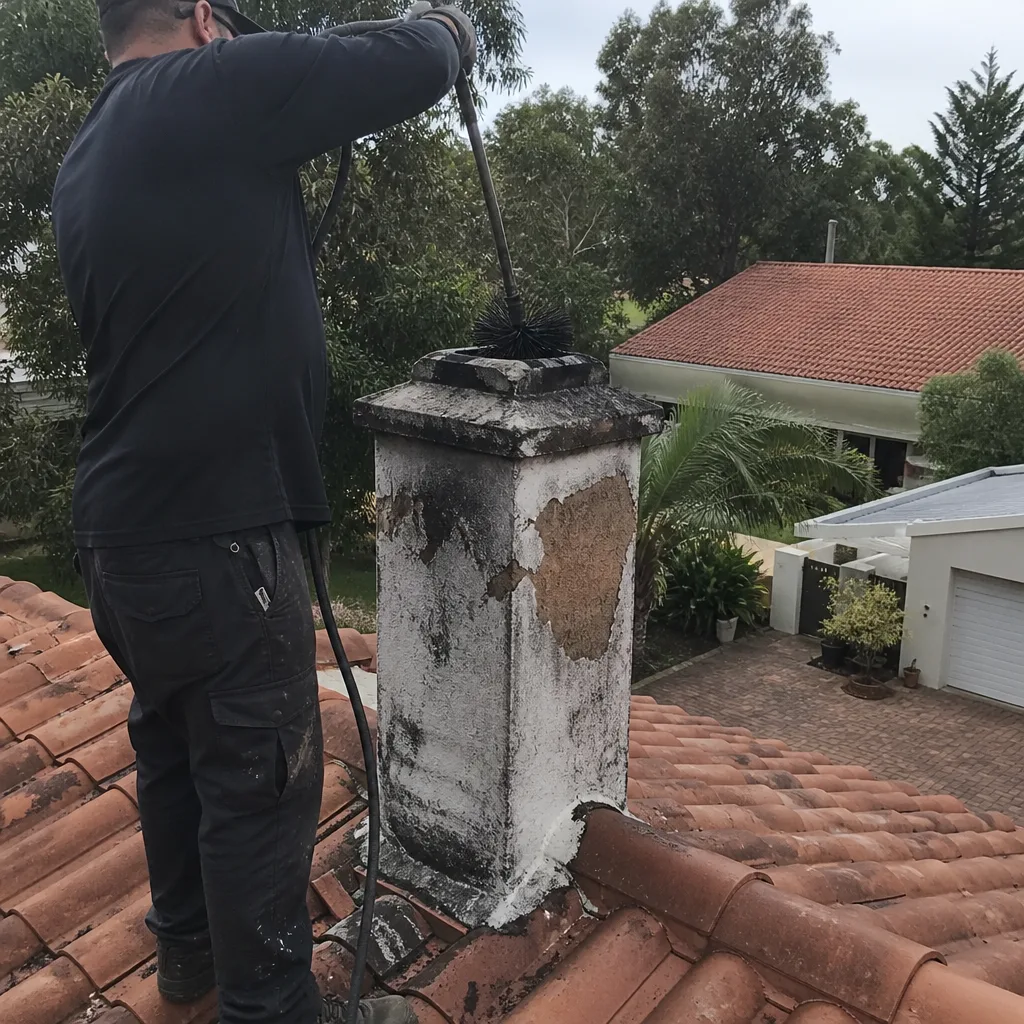 Before
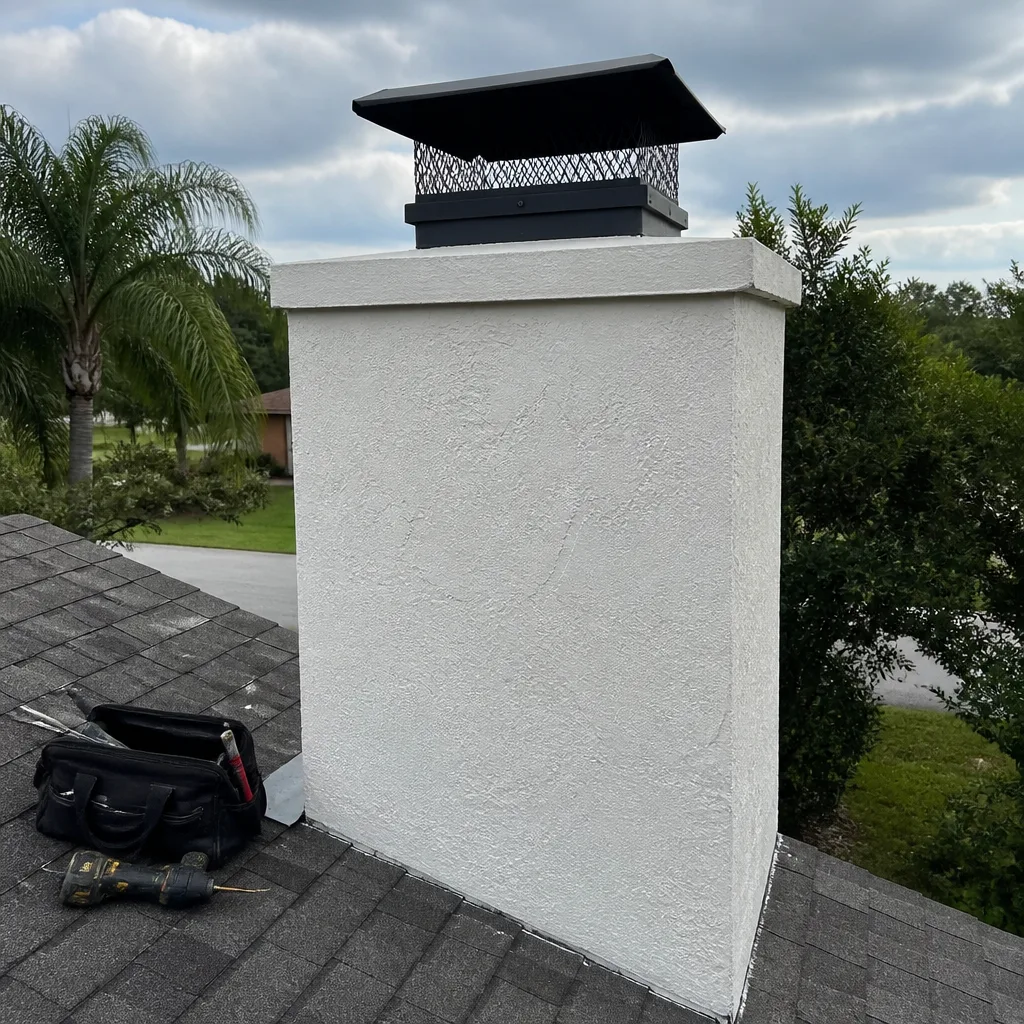 After
After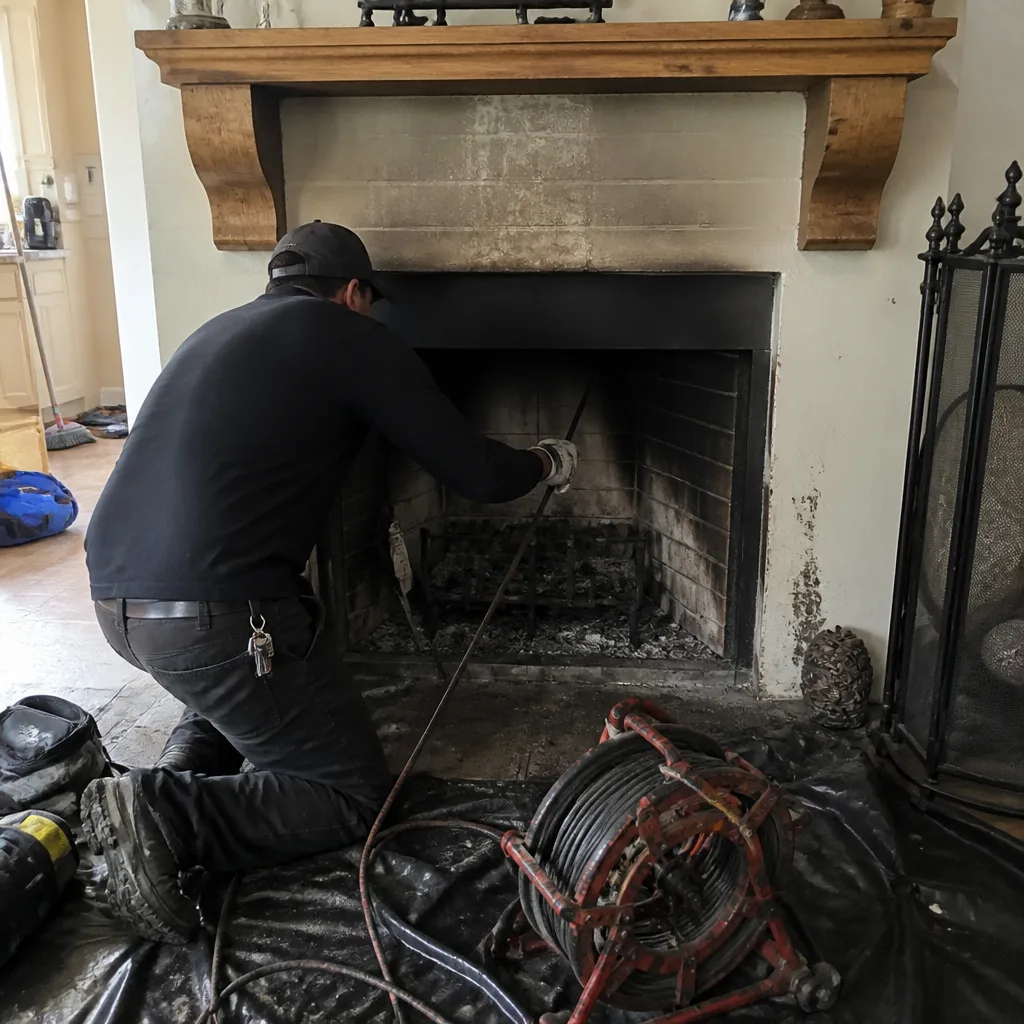 Before
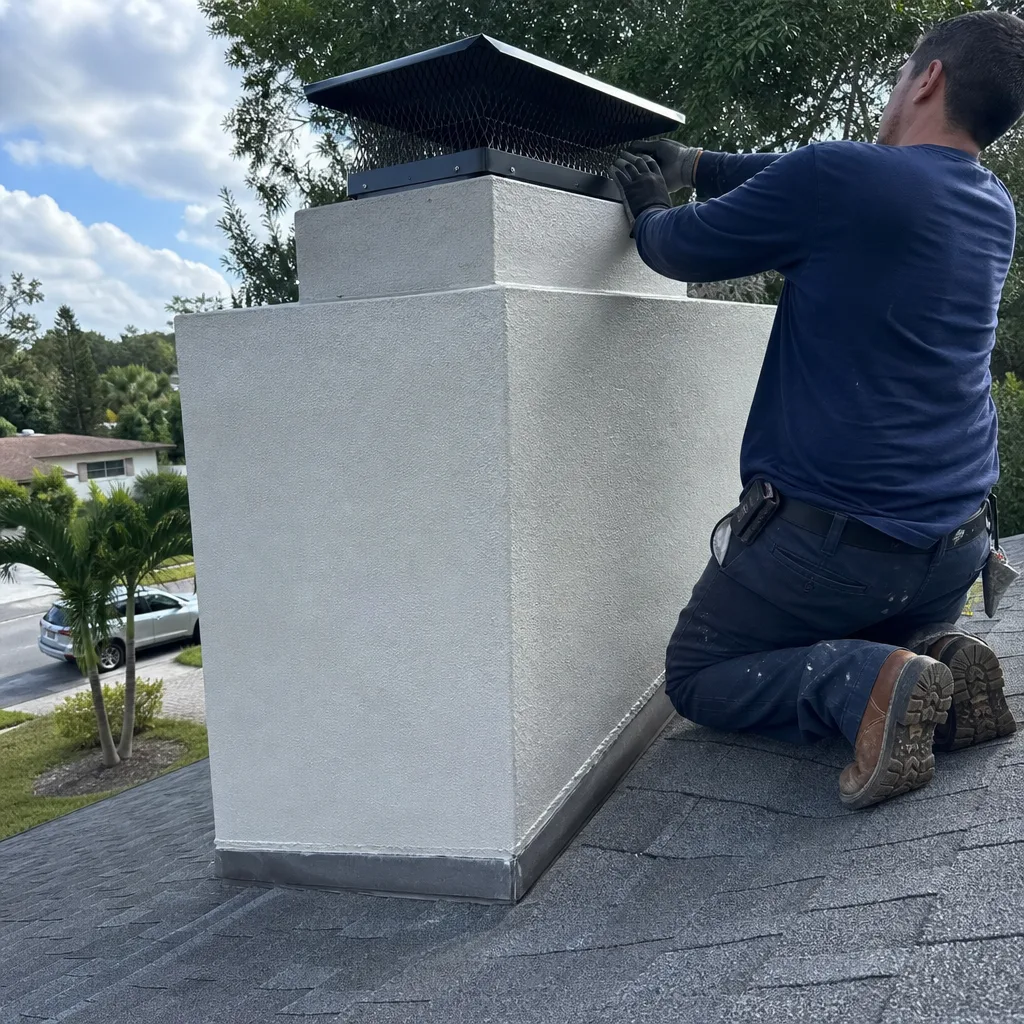 After
After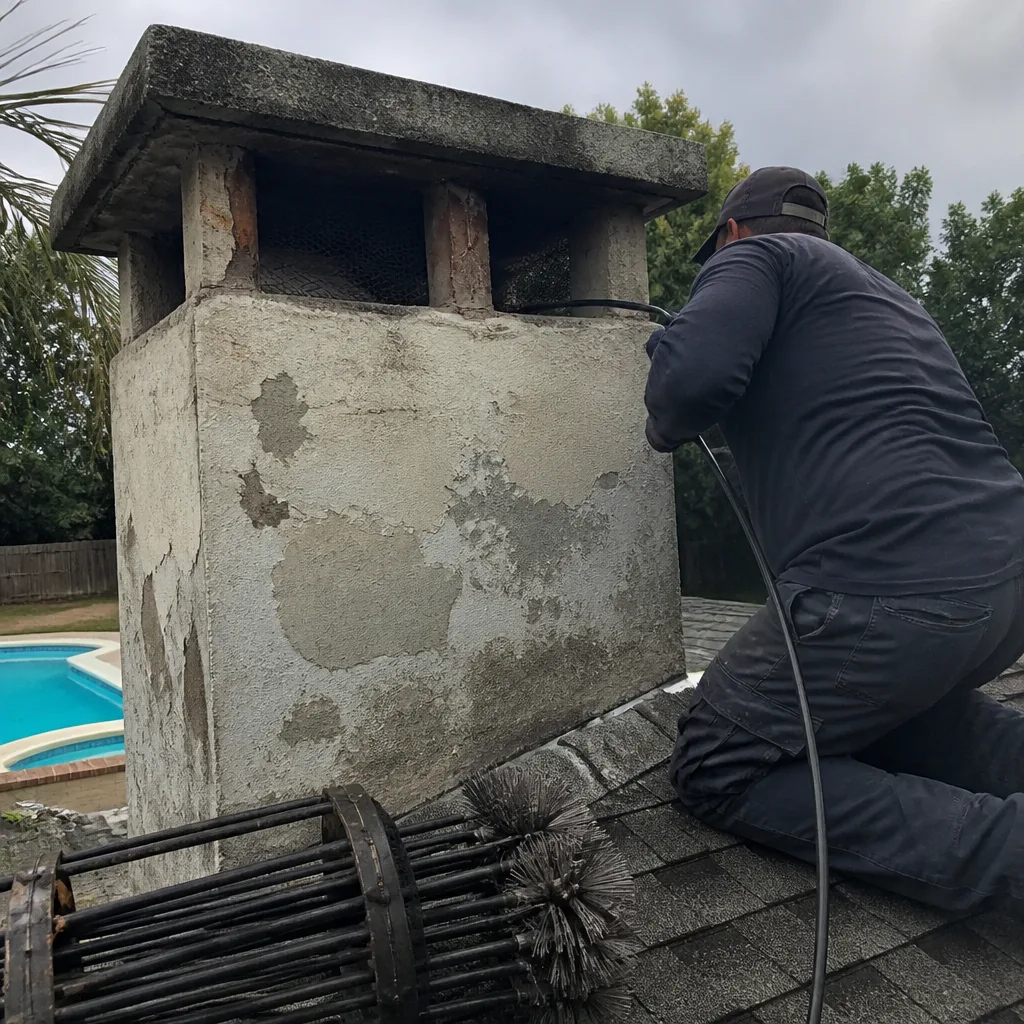 Before
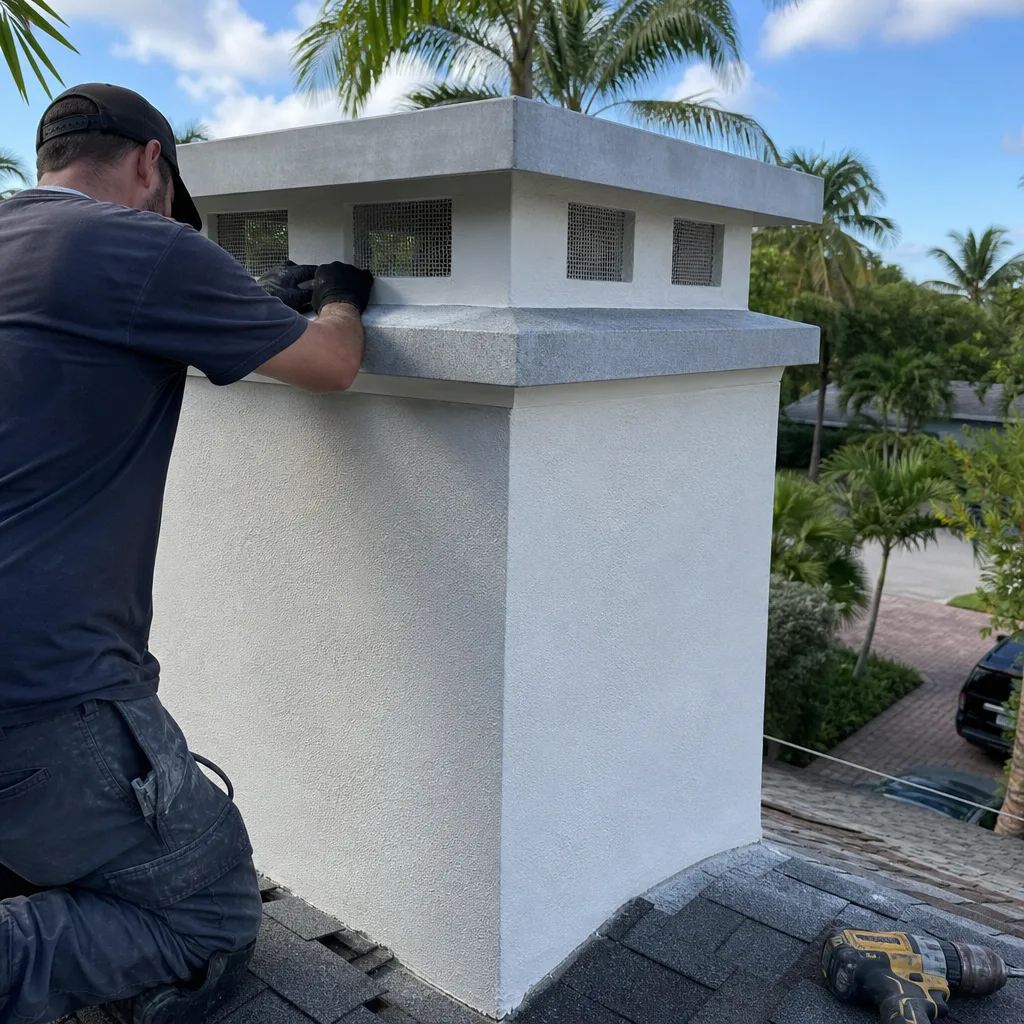 After
After