
Last updated October 15, 2026
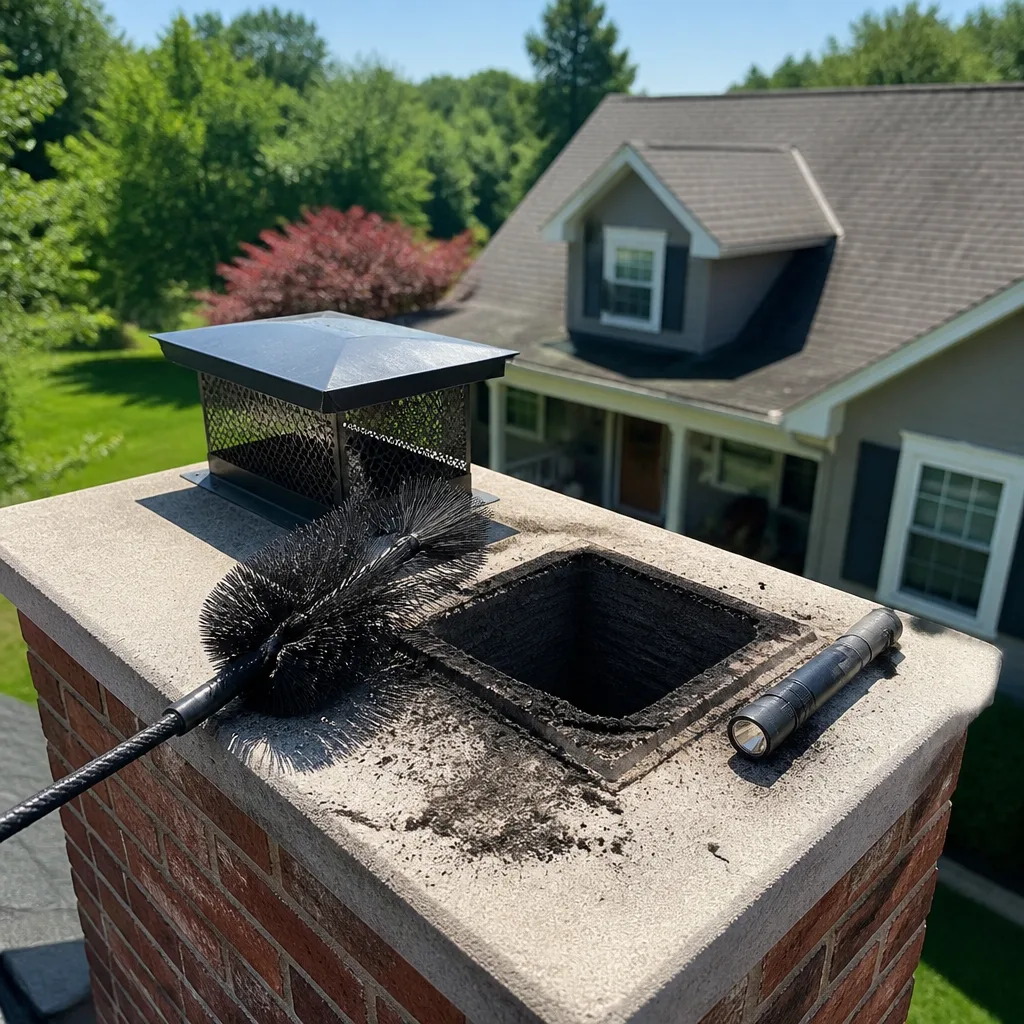 Sweep & inspection
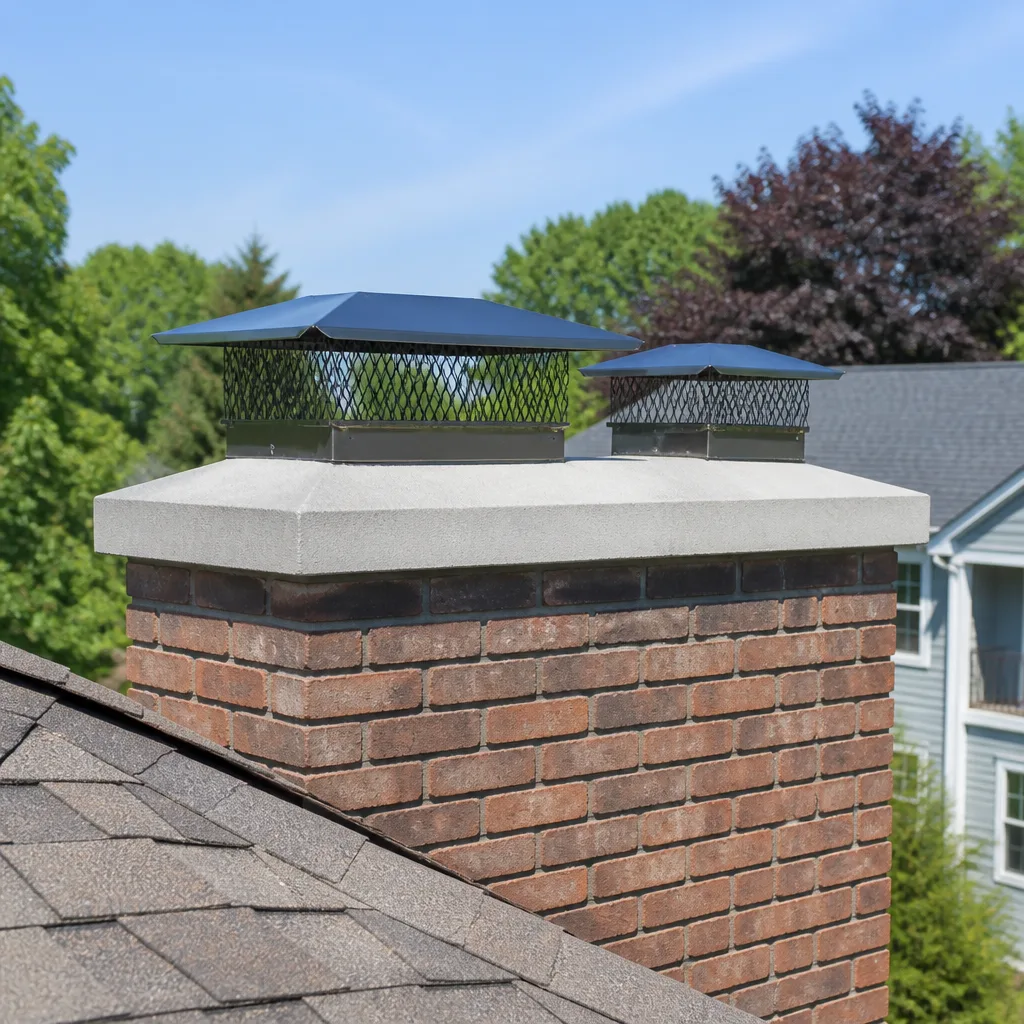 Caps & crowns
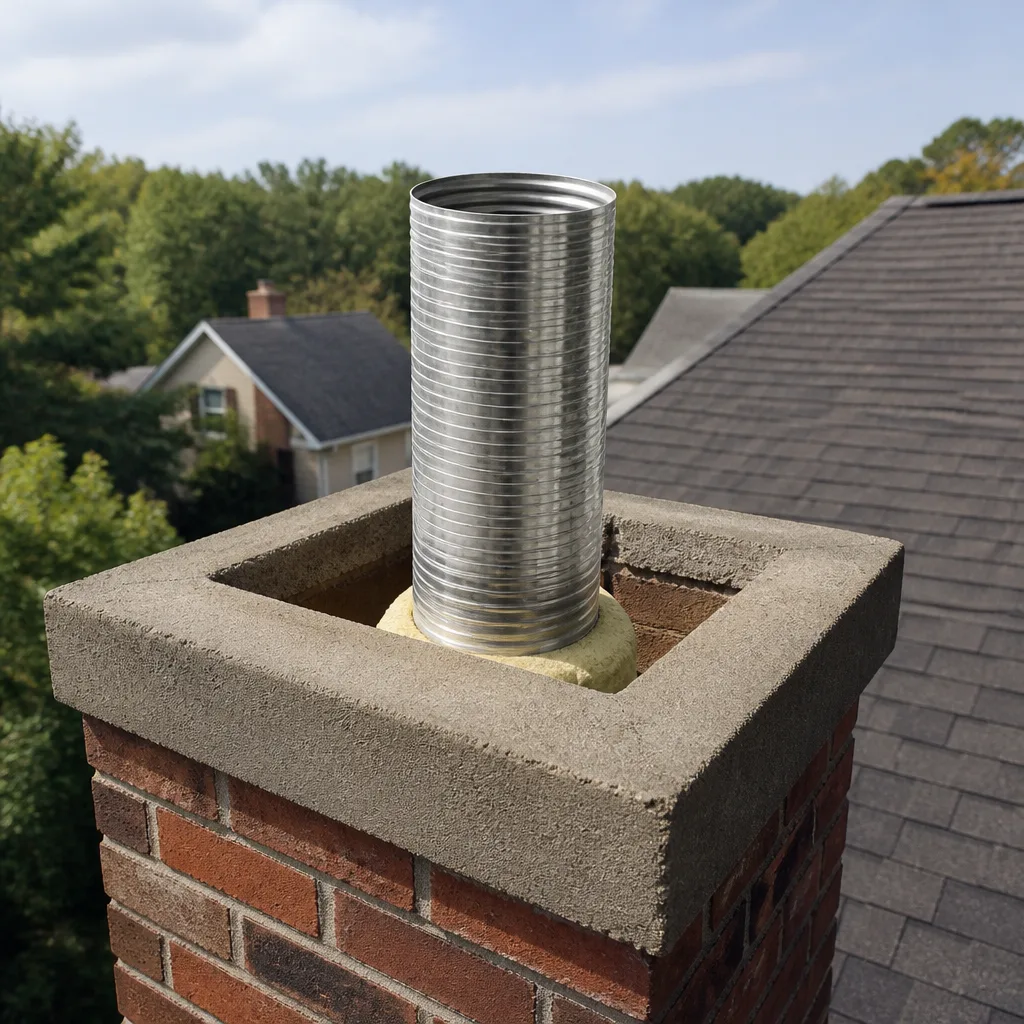 Flue relining
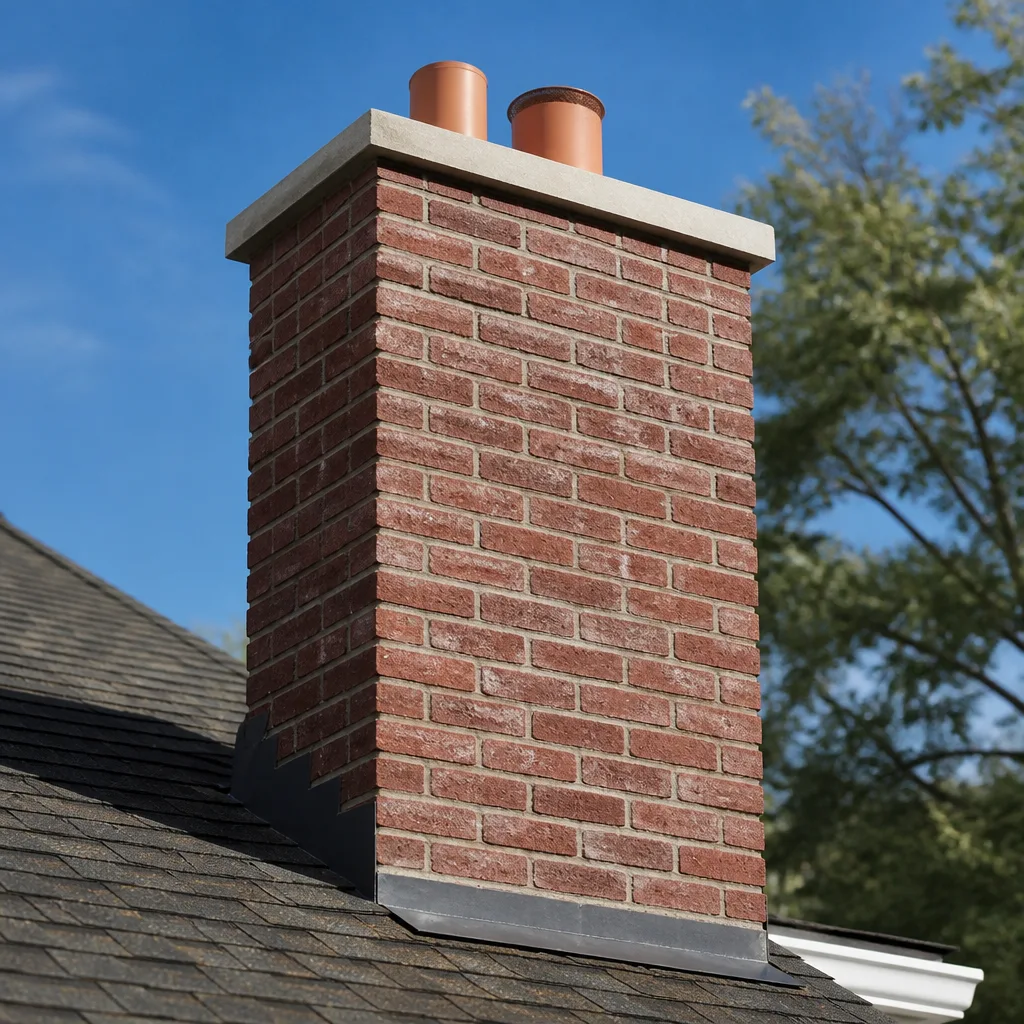 Masonry repair
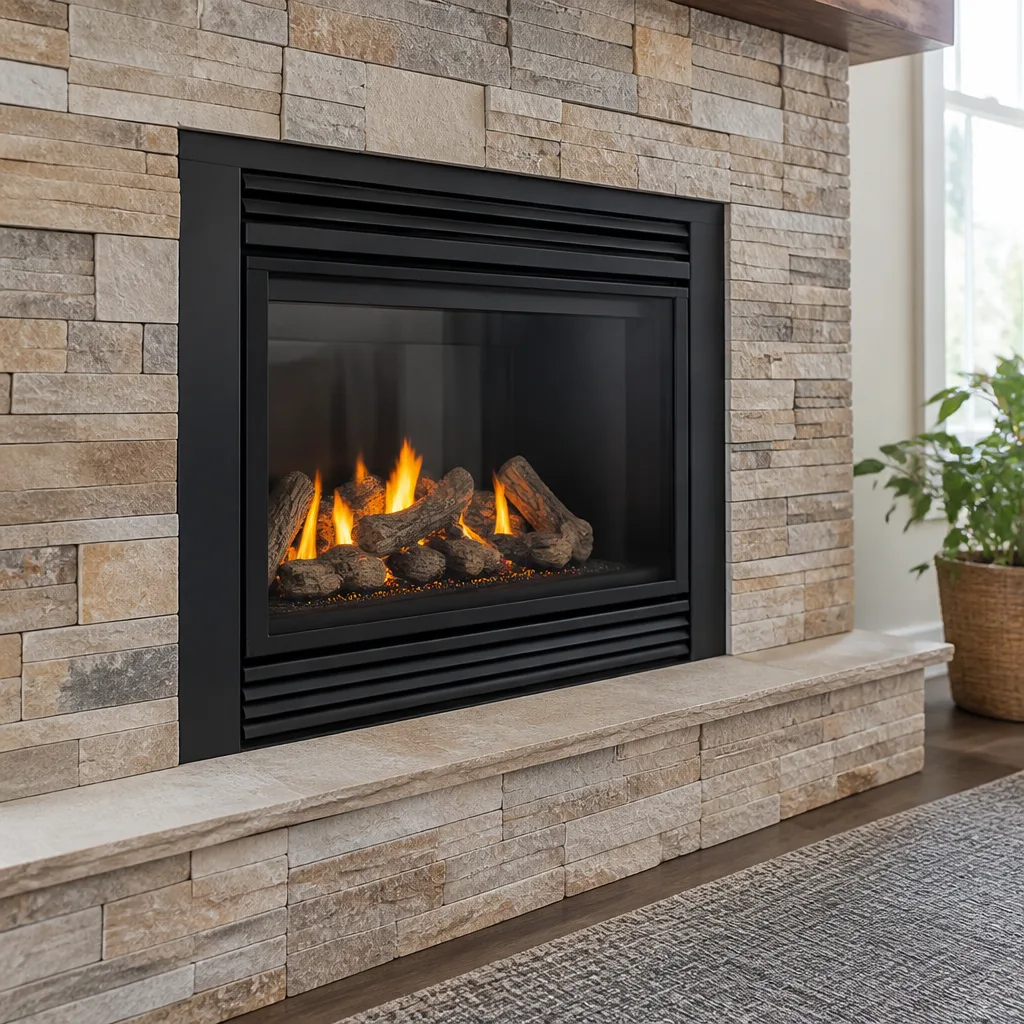 Gas fireplace service
Level 1 sweep and inspection to the NFPA 211 annual standard - flue, crown, cap, and flashing checked and photographed
Chimney sweep logs do not sweep chimneys. They loosen some creosote - which then falls where a brush and vacuum still have to collect it.
Chimney Cleaning Warning Signs: A Fort Lauderdale Homeowner’s Reference Guide
The smell of a damp, musty fireplace in June, when no fire has been lit in months, is not a normal off-season odor. It is the first documented warning sign of active moisture intrusion, and in Fort Lauderdale’s humidity, it means the liner or crown has already been compromised. Most chimney warning sign guides list symptoms that are already past the point of low-cost repair, like a chimney fire or a collapsed flue liner, unlike our DIY vs Professional Chimney Cleaning: The Fort Lauderdale Homeowner’s Decision Guide which helps you decide when to call a pro. This Fort Lauderdale reference guide works backward from expensive failures to the small signs that precede them, so you can act before a routine cleaning becomes a rebuild.
Styles & brands we work with
Quick Answer
A chimney needs attention when you notice a persistent musty or smoky odor with no fire burning, dark staining on interior walls near the fireplace, smoke drifting into the room instead of up the flue, flaking stucco or white efflorescence on the exterior chimney, or debris falling into the firebox. In Fort Lauderdale, moisture intrusion from humidity and coastal rain is the leading cause of chimney deterioration, so any damp smell or water stain should be checked within 30 days, not put off until fall-see our Chimney Sweep Maintenance Checklist for Fort Lauderdale Homeowners for a full seasonal schedule.
Table of Contents
- The Five Sensory Warning Signs You Can Detect Without Climbing on the Roof
- Humidity Condensation vs. Active Water Intrusion: How to Tell the Difference in South Florida
- Exterior Warning Signs Specific to Stucco-Clad Chimneys in Fort Lauderdale
- What a Slow Draft Actually Means Mechanically, and Why Fort Lauderdale Makes It More Common
- Debris in the Firebox: What Falls, What It Means, and What It Costs
- At Which Warning Sign a Cleaning Alone Is Insufficient and a Level 2 Inspection Becomes the Correct Next Step
- Common Mistakes to Avoid
- When to Call a Professional
- Frequently Asked Questions
- The Bottom Line
The Five Sensory Warning Signs You Can Detect Without Climbing on the Roof
You do not need a ladder, a flashlight, or any specialized equipment to identify most chimney problems early. Your nose, eyes, and hands will catch the vast majority of warning signs before they become structural failures. Here are the five signals we ask every Fort Lauderdale homeowner to check first, in the order they typically appear.
1. Smell: Damp, Musty, or Acrid Odors with No Fire Burning
A fireplace should be odor-neutral when not in use. If you smell something, something is wrong. In Fort Lauderdale, the most common off-season odor is damp and musty, which tells you moisture has entered the flue and is sitting against the creosote deposits from previous burns. Wet creosote has a sharp, acrid smell that some homeowners compare to asphalt or burnt tar. If you catch this smell in July or August, do not wait until the first cold snap in December. The moisture is actively corroding the liner and mortar joints every day it sits there.
2. Staining: Dark Patches or Streaks on Walls and Ceilings Near the Chimney
Water that enters a chimney does not always stay inside the chimney. In many Fort Lauderdale homes built before the 1990s, the chimney chase runs through interior living space, which means a leak can present as a brown or yellowish stain on the wall or ceiling adjacent to the fireplace. These stains often appear months after the original water entry, because the moisture travels slowly through drywall and framing. A stain that grows after a heavy rain is a direct signal of an active leak, not a cosmetic issue.
3. Draft Behavior: Smoke Rollout When You Light a Fire
Smoke should go up the chimney. If it billows into the room when you light a fire, or if it takes several minutes of fiddling with the damper before it starts drawing upward, the flue is not performing. This can mean a partial blockage, a cold flue that needs priming, or a negative pressure problem in the house. In Fort Lauderdale’s mild winter temperatures, cold-flue draft failure is more common than in colder climates, because the temperature difference between inside and outside air is smaller, and that smaller difference produces less natural upward draft.
4. Smoke Rollout During the Off-Season
This is a separate signal from draft behavior during a fire. If you smell faint smoke in the house when no fire has been lit in weeks, or when you run a bathroom exhaust fan or kitchen range hood, the chimney is acting as a passageway for air moving the wrong direction. That reversed flow means the flue is not sealed correctly or the chimney cap is missing or damaged. In many cases we see in Fort Lauderdale, a rusted or missing chimney cap is the sole cause, and that is a $300 to $500 repair, not a $3,000 rebuild.
5. Debris in the Firebox
Small pieces of flue tile, mortar dust, or rusted metal flakes sitting in the firebox are never normal. Mortar dust in small amounts can be brushed off as normal settling in an older chimney, but chunks of flue tile, or flakes of metal that look like peeling paint, are a sign that the liner is actively deteriorating from the inside. In Fort Lauderdale’s humid climate, this process accelerates, because moisture weakens the mortar holding the flue tiles together and rusts the metal components faster than dry-climate deterioration. We cover this in more depth below, but the short version is: do not ignore it.
Humidity Condensation vs. Active Water Intrusion: How to Tell the Difference in South Florida
Fort Lauderdale’s climate creates a diagnostic problem that homeowners in drier climates never face: some moisture inside a chimney is condensation, not a leak. Telling the two apart is not difficult once you know what to look for, and getting it right can save you from an unnecessary repair.
Condensation forms when warm, humid outside air meets the cooler interior surfaces of the chimney, especially in air-conditioned homes during the summer months. This moisture is usually a thin film that appears inside the firebox or on the damper, and it evaporates once the area is ventilated. It does not stain, it does not smell, and it does not leave mineral deposits behind.
Active water intrusion behaves differently. Here is the distinction, in plain terms:
- Condensation is a thin, even film of moisture. It appears and disappears with humidity changes. It leaves no marks, stains, or residue. It has no odor.
- Active intrusion produces drips, puddles, or running water in the firebox. It leaves rust stains, mineral streaks, or efflorescence (white powdery deposits). It smells musty, and the smell persists even when the humidity drops.
- Timing after rain matters. Condensation is tied to humidity, not rainfall. If your fireplace is dry for weeks and then wet within hours of a storm, that is intrusion.
- Location matters. Condensation forms on surfaces exposed to indoor air. Intrusion shows up on the back wall of the firebox, in the smoke chamber, or running down the damper from above.
In our experience across Fort Lauderdale, the most common source of active intrusion in masonry chimneys is a cracked chimney crown, which is the concrete cap at the top of the chimney. In prefabricated metal chimneys, it is usually a failed chimney cap or rusted chase top. In both cases, the correct fix is relatively small if caught early, but it will not get better on its own.
Exterior Warning Signs Specific to Stucco-Clad Chimneys in Fort Lauderdale
A significant number of Fort Lauderdale homes are built with stucco-clad chimney chases, and stucco fails in ways that are specific to South Florida’s climate. If your chimney is stucco, walk around to the outside of the house once every season and look for these signs.
The first is hairline cracking that follows the corners or edges of the chimney chase. Hairline cracks themselves are not an immediate emergency, but every crack is a water entry point. In Fort Lauderdale’s heavy summer rains, water enters those cracks, soaks into the underlying framing, and expands the crack from behind. What starts as a cosmetic crack becomes a structural problem within two to three wet seasons if untreated.
The second sign is stucco that sounds hollow when you tap it with a knuckle. This indicates that the stucco has separated from the wood or block substrate underneath, and water is trapped in the void. This is a clear sign that the chase is being compromised from the inside out.
The third sign is efflorescence, which is a white, chalky deposit that appears on the surface of the stucco. Efflorescence means water has passed through the material and carried minerals to the surface as it evaporated. One small patch of efflorescence after a season of heavy rain warrants a professional inspection. Widespread efflorescence means the stucco is no longer performing as a weather barrier.
The fourth sign is rust staining below a chimney cap or chase top. This usually means the metal flashing or cap has corroded through and is now allowing water to run down the outside of the chimney and inside the chase. Rust streaks are never cosmetic; they are the visible evidence of failing metal.
We should note that a proper stucco repair on a chimney requires more than patching the visible crack. The underlying water entry point must be addressed, and the repair material must match the existing stucco profile and texture closely enough that the patch does not trap new moisture. This is not a handyman-level fix, and it is one of the repairs we most often see done incorrectly the first time.
What a Slow Draft Actually Means Mechanically, and Why Fort Lauderdale Makes It More Common
A slow draft is not a vague feeling that the fireplace is not drawing well. It is a measurable mechanical condition, and it has specific causes. Understanding what is happening physically inside the flue is the fastest way to figure out whether you are looking at a simple fix or a more serious problem.
Draft is the movement of air up the chimney. It happens because hot combustion gases are lighter than the cooler outside air, so they rise. The strength of the draft depends on three things: the height of the chimney, the temperature difference between the flue gases and the outside air, and the amount of restriction inside the flue.
Fort Lauderdale’s mild winter temperatures work against you here. When it is 65 degrees outside and you light a fire, the temperature difference between the flue gases and the outside air is much smaller than it would be on a 20-degree night in the Northeast. A smaller temperature difference produces a weaker draft. That means any additional restriction, whether it is creosote buildup, a partially closed damper, or a bird nest near the top, has a proportionally larger effect on performance in Fort Lauderdale than it would in a colder climate.
Here are the mechanical causes of a slow draft, in order of how often we encounter them in Fort Lauderdale homes:
- Creosote and soot buildup narrowing the flue opening. This is the most common cause, and it is solved with a professional chimney sweep. A standard sweep in Fort Lauderdale typically runs $200 to $350, depending on the level of buildup and the chimney height.
- A partially closed or warped damper. If the damper plate does not open fully, or if it has warped from heat and moisture, it restricts airflow at the throat of the chimney. Replacement dampers run $150 to $450 installed depending on the style.
- A chimney cap that is too small or clogged with debris. A cap with a mesh screen can become clogged with soot, leaves, or salt spray residue, especially in coastal neighborhoods like Las Olas Isles or Harbor Beach.
- Negative pressure inside the house. Tightly sealed, air-conditioned Fort Lauderdale homes create negative pressure when exhaust fans run, which pulls air down the chimney. The fix is often a make-up air vent, not a chimney repair.
- A flue that is too short or incorrectly sized for the fireplace opening. This is a design issue we see in older Fort Lauderdale homes that predate modern chimney sizing standards. A flue that is too short or too wide for the firebox will never draw properly, regardless of how clean it is.
If you are noticing slow draft, the chimney cleaning itself is step one, because you cannot diagnose what lies beneath a layer of creosote. After a sweep, if the draft is still weak, the next step is a Chimney Inspection in Fort Lauderdale to measure the flue, check the damper, and evaluate the cap.
Debris in the Firebox: What Falls, What It Means, and What It Costs
Debris in the firebox is the warning sign most Fort Lauderdale homeowners overlook, because it often looks like ordinary dirt or dust. The type of debris you find tells you a lot about what is failing above you. Here is how to read it.
Fine, gritty, dark powder. This is creosote dust that has loosened from the flue walls and fallen. It usually indicates a chimney that has not been swept in some time, and it is an early sign that the creosote layer is thick enough to flake. The fix is a sweep, which in Fort Lauderdale runs $200 to $350.
Small chunks of tan or reddish material that look like thin brick or tile. These are pieces of flue liner, and their presence means the liner is spalling, which is a technical term for flaking apart. Spalled flue tiles mean the liner is no longer a continuous protective barrier, and the chimney should not be used until it has been repaired. Flue relining, which is replacing the inner liner that channels smoke safely out of the house, typically runs $2,500 to $6,500 in Fort Lauderdale depending on the liner type and chimney height.
Rusted metal flakes or small pieces of wire mesh. These come from the chimney cap or the spark arrestor screen rusting apart. In coastal Fort Lauderdale, salt air accelerates rust, and caps fail faster here than inland. A cap replacement runs $300 to $600 installed for most standard chimneys.
Nesting material, such as twigs, dried grass, or feathers. This means birds or rodents have entered the chimney, usually through a damaged or missing cap. The nest itself is a fire hazard, and the animal waste inside it is a health concern. The fix is removal of the nest, a sweep, and a cap or damper repair to prevent re-entry.
Pooling water, even a small amount, in the firebox after rain. This is a direct sign of a failed chimney crown or cap, and it should be addressed within the same month. Every rainfall event delivers more water into the system, and the longer it sits, the more it damages the firebox floor and the liner below.
At Which Warning Sign a Cleaning Alone Is Insufficient and a Level 2 Inspection Becomes the Correct Next Step
Not every chimney problem is solved by a sweep. A chimney sweep removes the creosote and soot from the flue, and that is an essential maintenance step-covered in depth in The Complete Guide to Chimney Cleaning in Fort Lauderdale-but it does not diagnose structural conditions. Here is how to know when you need a Level 2 inspection instead of, or in addition to, a standard chimney sweep.
A Level 2 inspection is a more comprehensive evaluation that includes everything in a Level 1 inspection plus video scanning of the flue interior, examination of the accessible portions of the chimney exterior and interior, and an assessment of the clearances to combustibles in the attic and crawl space. It is the correct next step in these situations:
- You have seen or smelled active water intrusion. Any damp smell, water staining, or pooling water means the waterproofing system, crown, flashing, or cap has failed somewhere, and a camera inspection is the only way to find the entry point without tearing into the chase.
- Debris in the firebox includes flue tile fragments. A spalled liner requires a camera inspection to determine how much of the liner has failed, whether the damage extends into the smoke chamber, and whether a full reline or a partial repair is indicated.
- Smoke rollout occurs every time you use the fireplace, even after a sweep. If the flue is clean and the draft is still weak, the problem is mechanical or structural, not a matter of buildup. A camera inspection shows restrictions, offsets, and sizing problems that cannot be seen from the roof or the firebox.
- You have not had the chimney inspected since buying the home. In Fort Lauderdale’s humid climate, we recommend a Level 2 inspection as part of any home purchase, and a repeat inspection any time the chimney has been dormant for several years. A property transfer is exactly when hidden liner damage and water intrusion get discovered.
- You are switching fuels or changing the appliance. If you are converting from a wood-burning fireplace to a gas log set, or installing a new insert, a Level 2 inspection verifies that the existing flue is compatible and safe for the new appliance’s requirements.
What we want every Fort Lauderdale homeowner to understand is this: a cleaning addresses what is inside the flue. An inspection addresses the condition of the flue itself. If we sweep a chimney and find flue tile damage, we will tell you plainly, show you the camera footage, and give you a written recommendation. Nobody at Flint Chimney Co Fort Lauderdale will recommend a liner replacement without camera evidence you can see with your own eyes. That is a non-negotiable part of how we work, and it is written into Chimney Repair in Fort Lauderdale estimates.
Common Mistakes to Avoid
- Ignoring the summer musty smell because you are not using the fireplace. In Fort Lauderdale, off-season moisture intrusion is the leading cause of liner failure. That smell will not go away when the weather cools; it will be joined by a bigger repair bill.
- Assuming stucco cracks are cosmetic. Stucco is a weather barrier, not a finish surface. Every crack is a water entry point, and in South Florida’s rainy season, a hairline crack becomes a structural problem quickly.
- Skipping the chimney inspection during a home purchase. A standard home inspection typically does not include a video scan of the flue interior. We regularly find liner damage in Fort Lauderdale homes that passed a general inspection with no chimney findings.
- Burning unseasoned wood or construction debris. Wet wood produces more creosote per burn, and construction lumber treated with chemicals produces compounds that corrode metal liners. In Fort Lauderdale’s humidity, even seasoned wood absorbs moisture from the air, so store it covered and off the ground.
- Calling a general handyman for chimney work. Chimney repair involves fire safety, structural integrity, and building code compliance. A handyman who patches stucco without addressing the water entry point leaves the problem in place, and the patch fails within a season or two.
- Delaying a chimney sweep because the fireplace still draws reasonably well. Creosote buildup is a progressive fire hazard, and by the time it visibly affects draft, the layer is already thick enough to be dangerous. A sweep is cheap insurance compared to a chimney fire.
- Using off-the-shelf chimney cleaning logs as a substitute for a professional sweep. Those products loosen some creosote, but they do not remove it, and they do not evaluate the condition of the flue, damper, cap, crown, or liner. They are a supplement, not a replacement for a professional Chimney Sweep in Fort Lauderdale.
When to Call a Professional
Call a chimney professional the day you notice any of these conditions: a musty or damp smell in the fireplace with no fire burning, water staining on walls or ceilings near the chimney, smoke rolling into the room during a fire, debris falling into the firebox, flaking stucco or efflorescence on the exterior chimney, or rust staining below the cap. Additionally, if the chimney has not been swept in more than two years, or if you have never had a camera inspection since buying the home, schedule one now. Fort Lauderdale’s humidity means deterioration here moves faster than in drier climates, and the difference between a $300 fix and a $5,000 rebuild is often measured in months, not years. Flint Chimney Co Fort Lauderdale offers free estimates in Fort Lauderdale, and we put every price in writing before any work starts. Call (754) 354-1430 to schedule.
Frequently Asked Questions
A standard chimney sweep in Fort Lauderdale typically costs between $200 and $350, depending on the level of creosote buildup, the height and accessibility of the chimney, and whether the chimney is masonry or prefabricated metal. Heavily built-up chimneys or those requiring extra setup due to roof pitch or landscaping access can run to $400 or slightly more. The price we quote is the price you pay, and it is written down before any work begins. Call (754) 354-1430 for an exact quote on your chimney.
The National Fire Protection Association recommends a chimney sweep any time creosote buildup reaches 1/8 inch or more, which for most wood-burning fireplaces in Fort Lauderdale translates to every one to two years of regular seasonal use. If you burn only occasionally, a sweep every two to three years may be sufficient, but an annual visual check is still wise. Gas fireplaces do not produce creosote but should still be inspected annually for vent blockage and moisture entry.
You need a new liner if the existing liner has cracked, spalled, or separated to the point where it no longer contains the combustion gases and protects the surrounding structure. We never recommend a liner replacement without showing you camera footage of the damage, and we will tell you plainly if a repair can safely wait or if the chimney should not be used until the work is done. A partial resurfacing with HeatShield or a similar system can sometimes address localized damage at a lower cost than a full reline. If we find a problem, you see the evidence before you spend a dollar.
Several things, none of them good. Creosote accumulates and becomes a fire hazard. Water enters through the crown, cap, or stucco and corrodes the liner and mortar joints. Rust spreads on metal components. Small animals build nests that block the flue and create carbon monoxide risk. The chimney becomes progressively more expensive to repair the longer each condition is left unaddressed. In Fort Lauderdale’s humid climate, the deterioration timeline is shorter than in drier regions, and a chimney that is ignored for five years often needs a full rebuild rather than a repair. Call (754) 354-1430 for an inspection before small issues become large ones.
No, a musty smell from an unused fireplace in summer is not normal in Florida, though a faintly cool, damp note on very humid days can be condensation. A persistent, noticeable musty odor that smells organic or acrid means water has entered the chimney and is sitting against creosote or building materials. That is active moisture intrusion, not ambient humidity, and it should be inspected within 30 days to identify the entry point and prevent further damage.
Yes, you can complete a meaningful visual inspection from the ground and from inside your home. Look for stucco cracking, efflorescence, rust staining, and any visible leaning or separation on the exterior. Inside, check the firebox for debris, staining, and moisture, and note any persistent odors. What you cannot see from the ground is the condition of the flue interior, the crown, the cap, and the flashing, which is exactly where most Fort Lauderdale chimney problems begin. That is why any sign of trouble warrants a professional Level 2 inspection with a camera scan.
The Bottom Line
Fort Lauderdale homeowners have a real advantage when it comes to chimney maintenance: the warning signs here are detectable early, from inside the house, without any specialized equipment. For more guides & resources on spotting problems before they become costly repairs, explore our blog. A musty smell in May, a patch of efflorescence in September, a few flue tile fragments in the firebox in January. None of these signs require a roof climb to spot, and all of them precede the expensive failures they eventually cause. The discipline is to act when you notice them, not when the fireplace becomes unusable. Flint Chimney Co Fort Lauderdale operates under the Garrison Standard, which means every job gets a written price before work starts, every repair carries a one-year guarantee, and the phone is answered by a live person whenever you call. If you have noticed any of the warning signs in this guide, call (754) 354-1430 for a free estimate.
Written by Hank Delano, Owner at Flint Chimney Co Fort Lauderdale, serving Fort Lauderdale since 2002.
See the difference
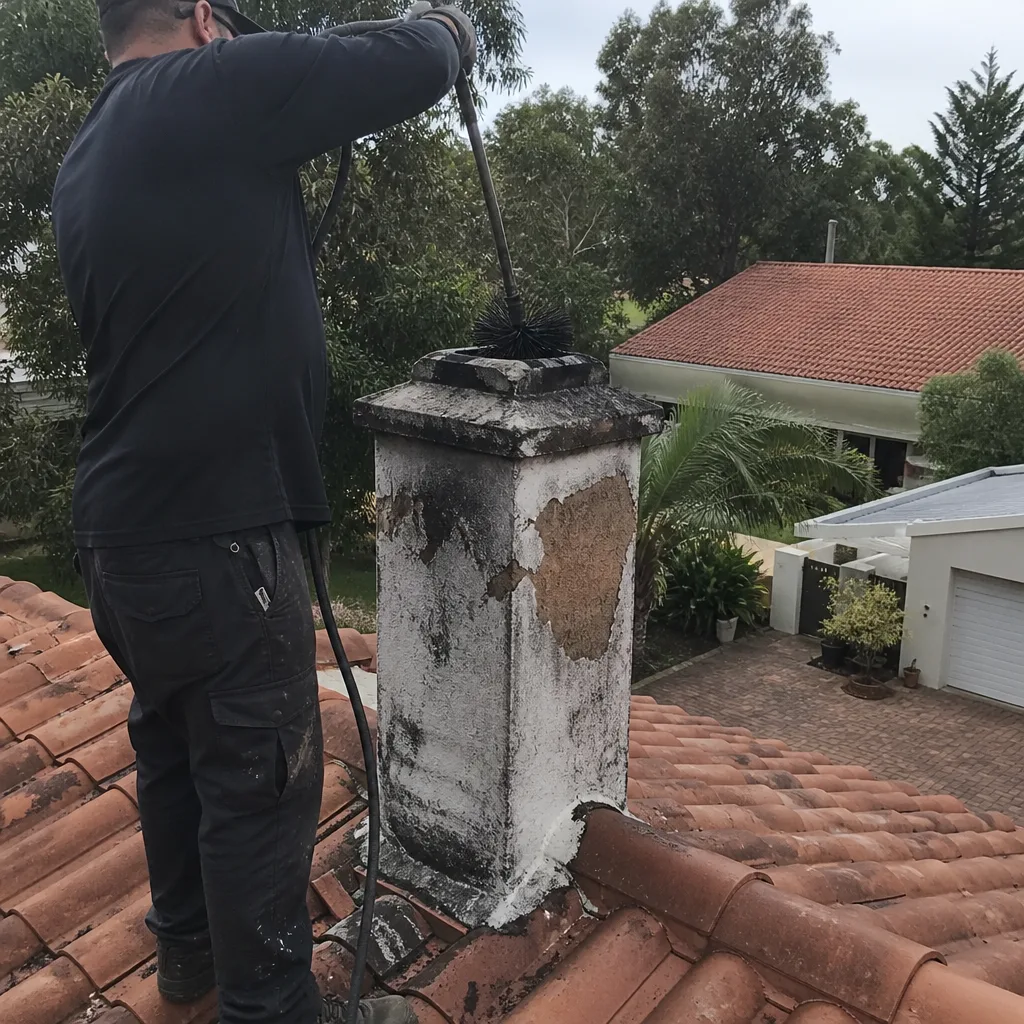 Before
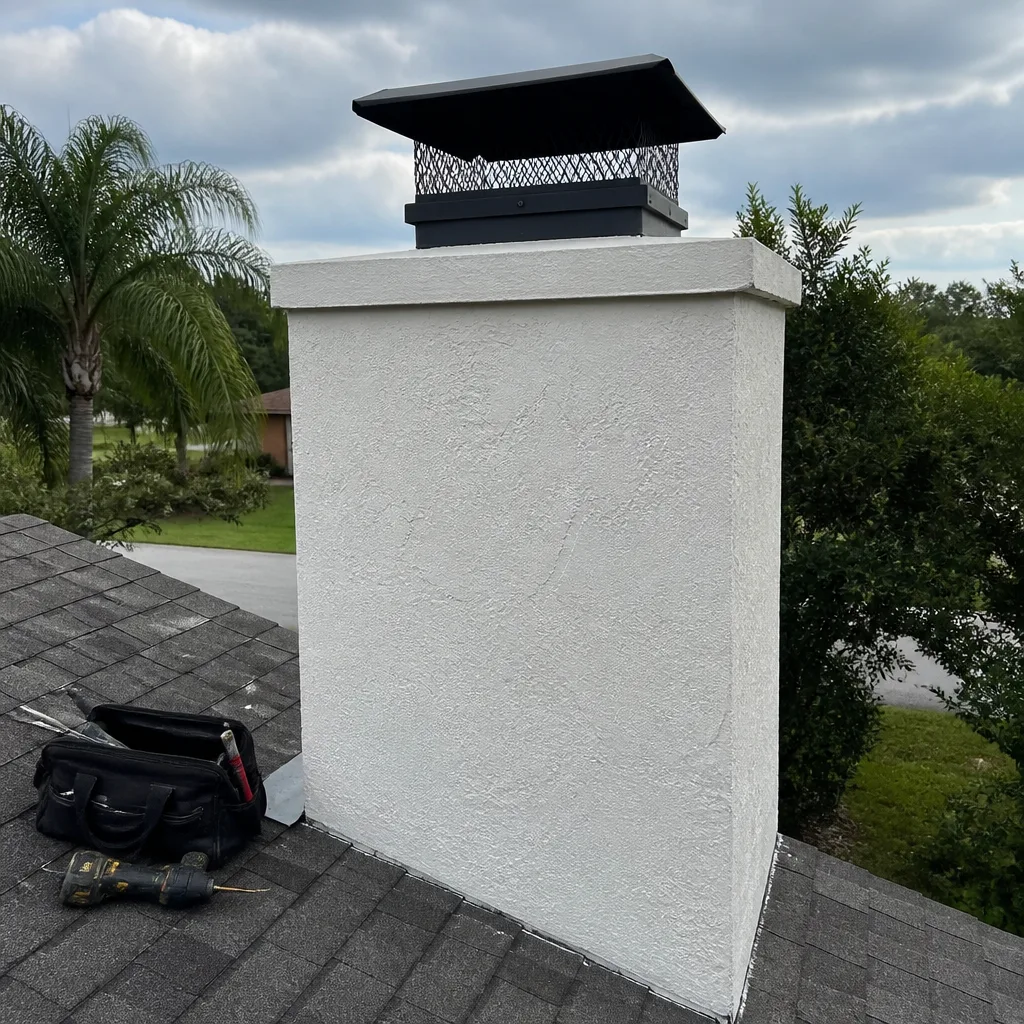 After
After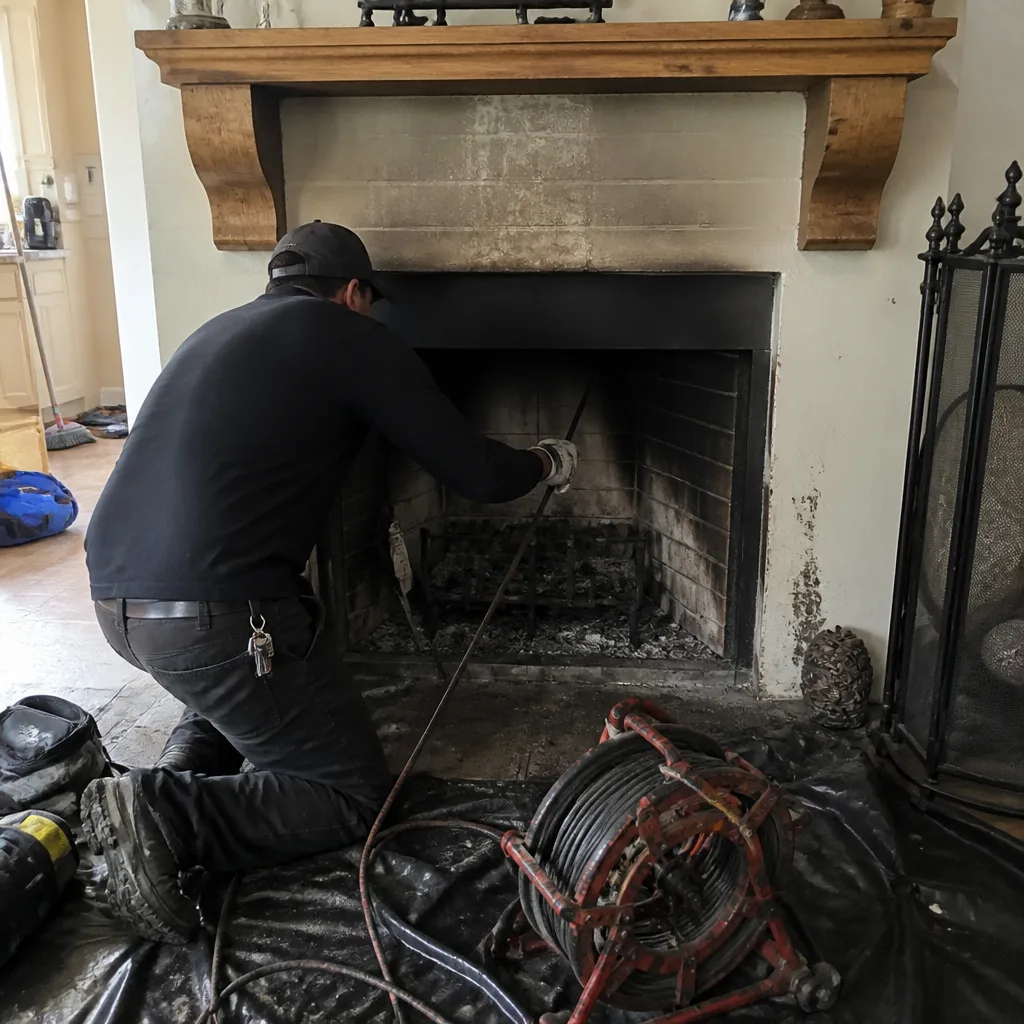 Before
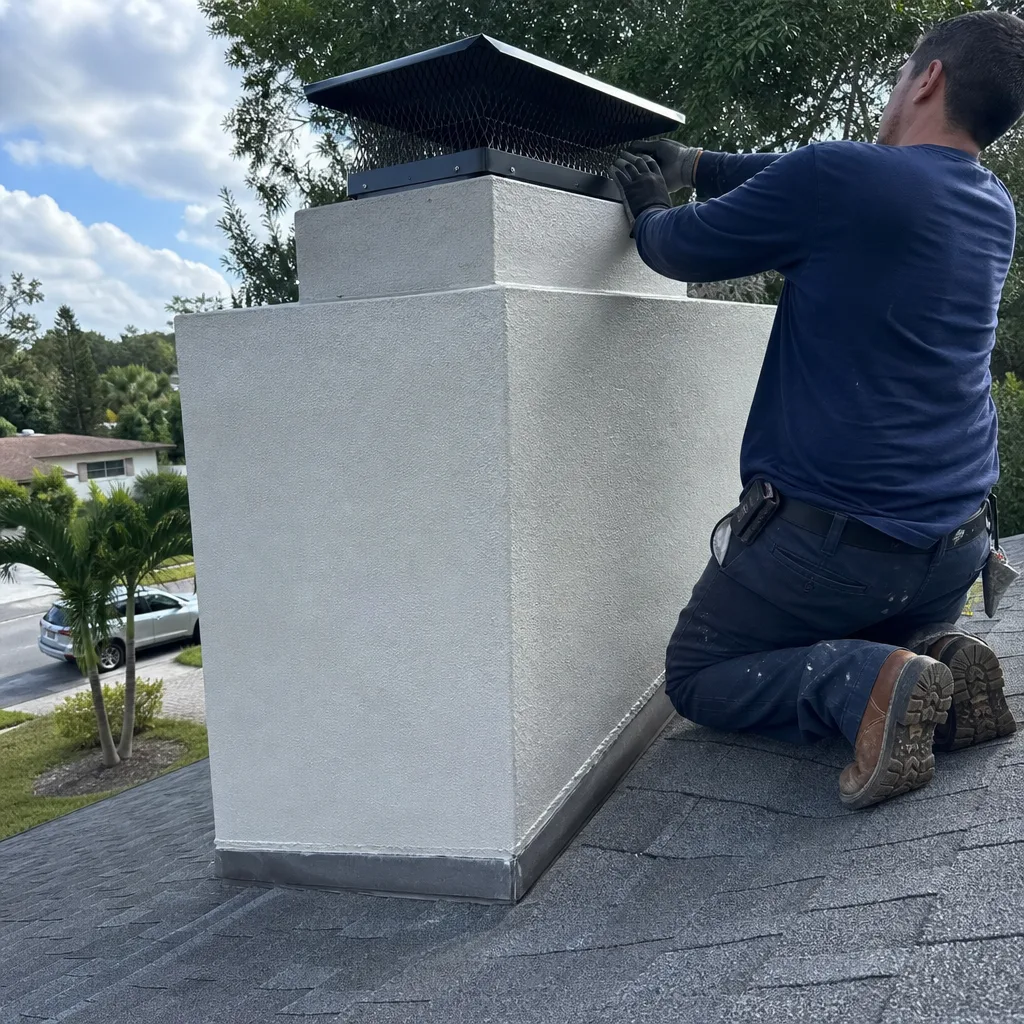 After
After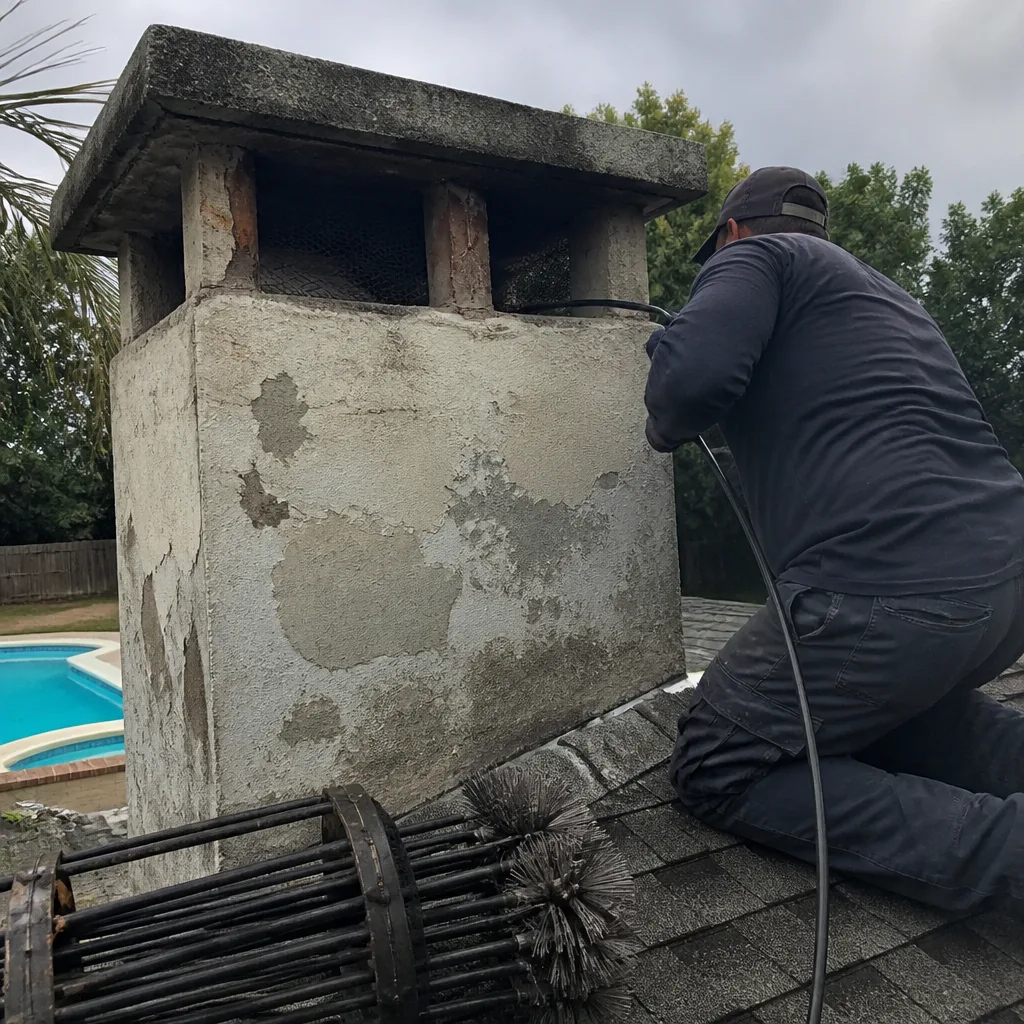 Before
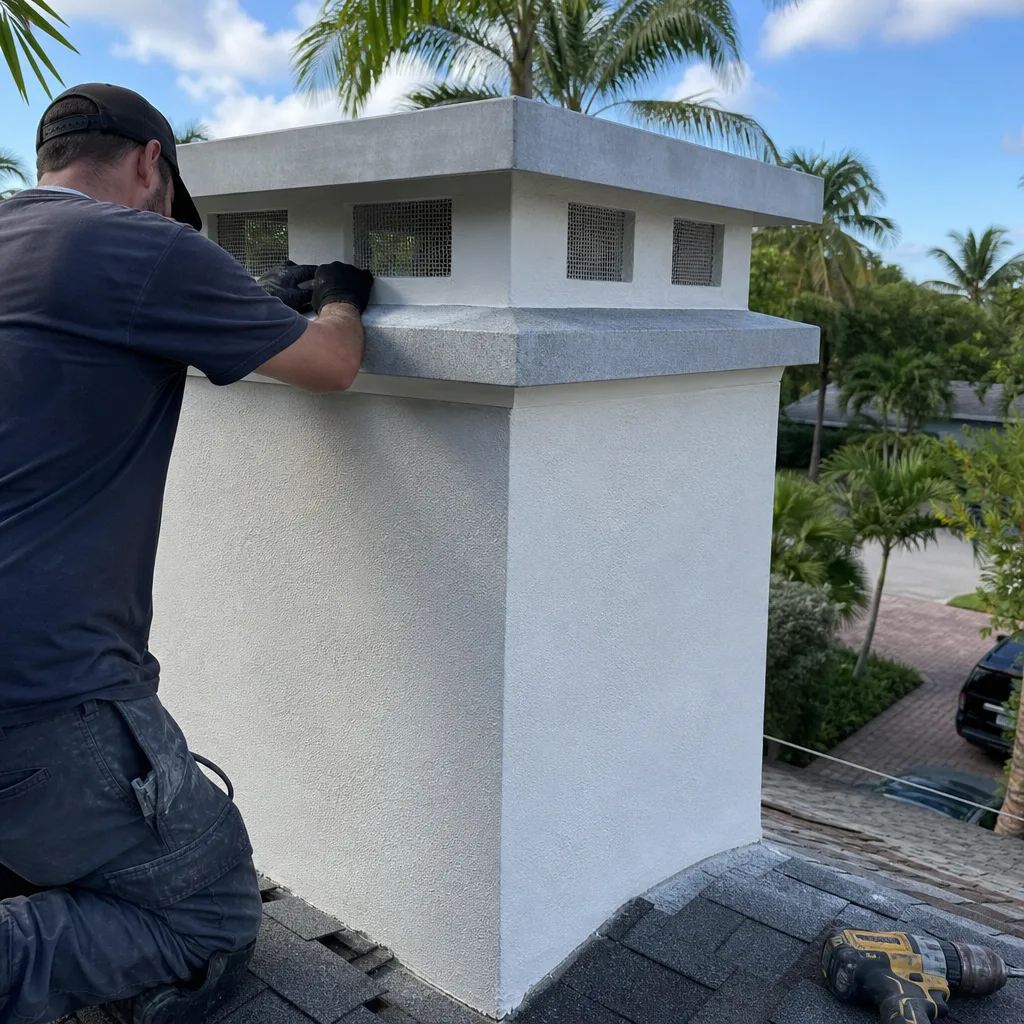 After
After