
Last updated October 15, 2026
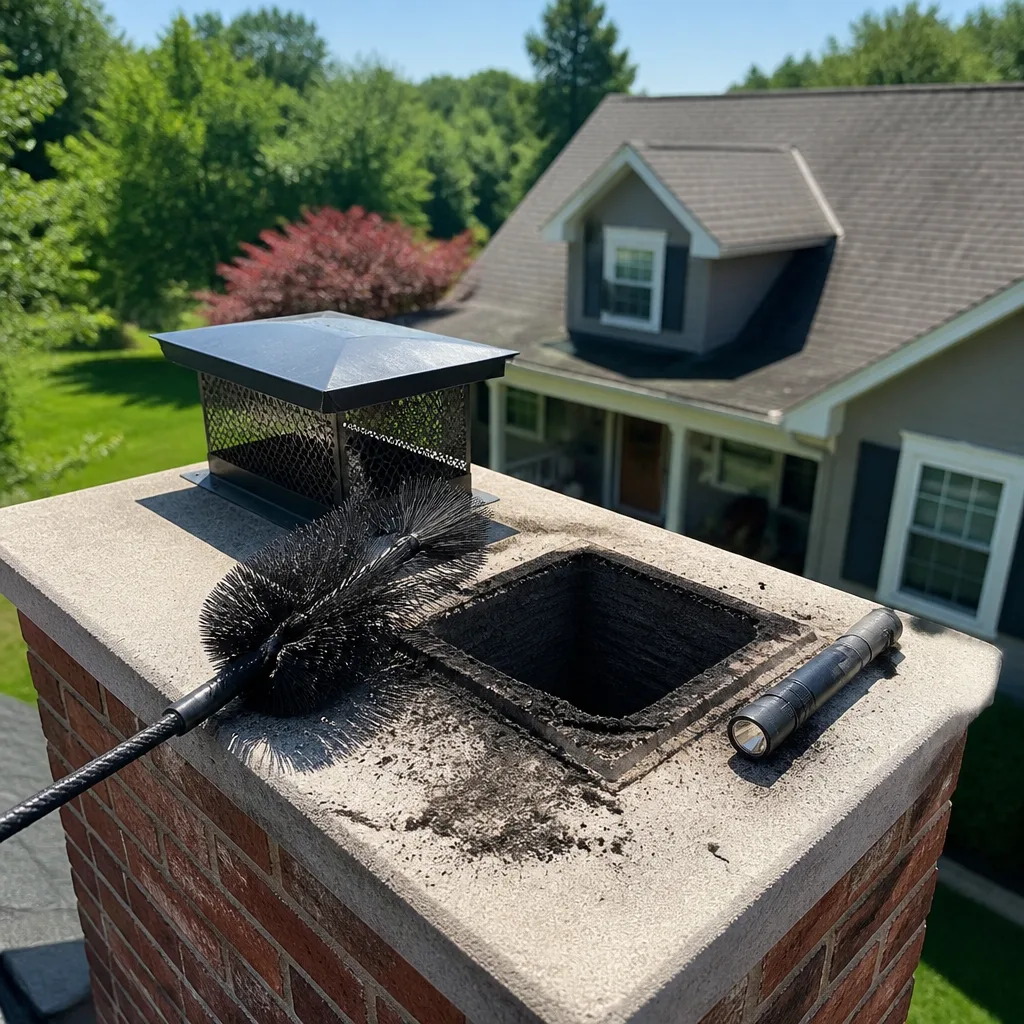 Sweep & inspection
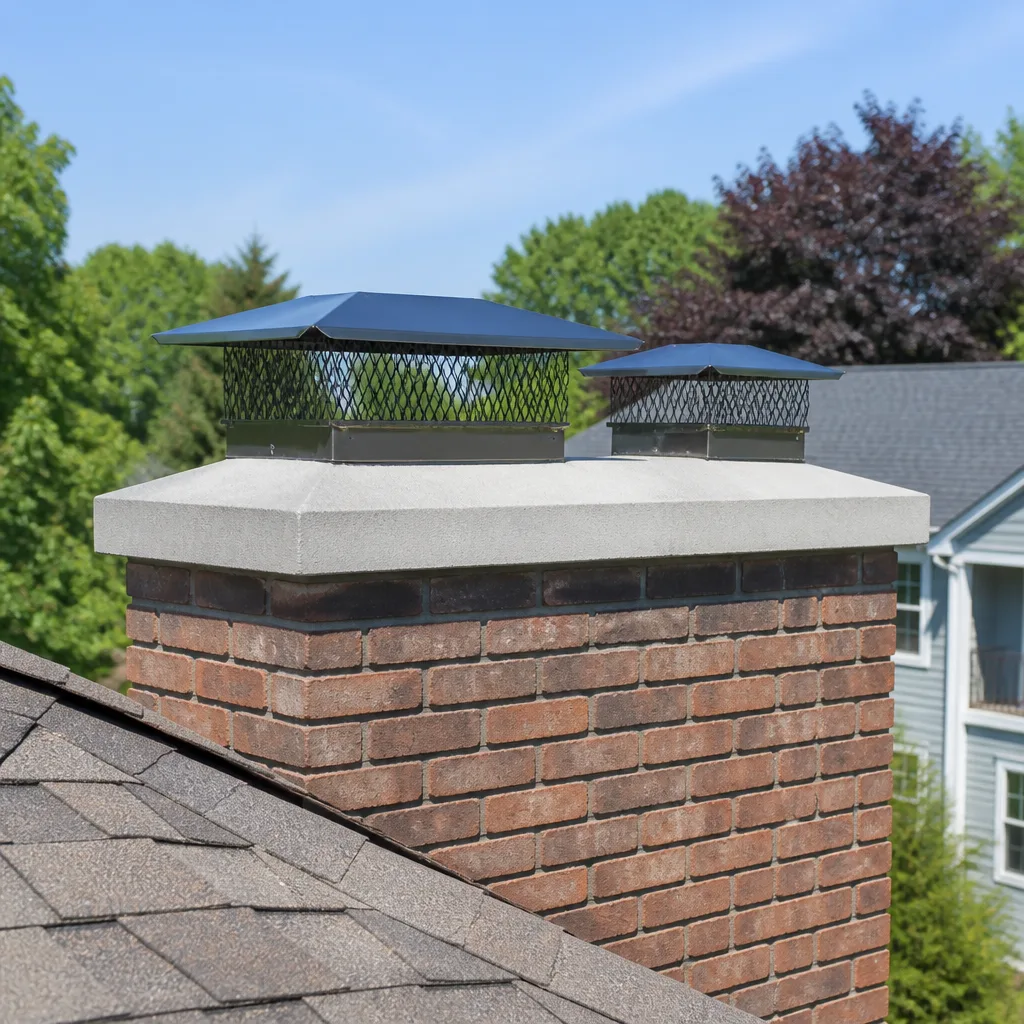 Caps & crowns
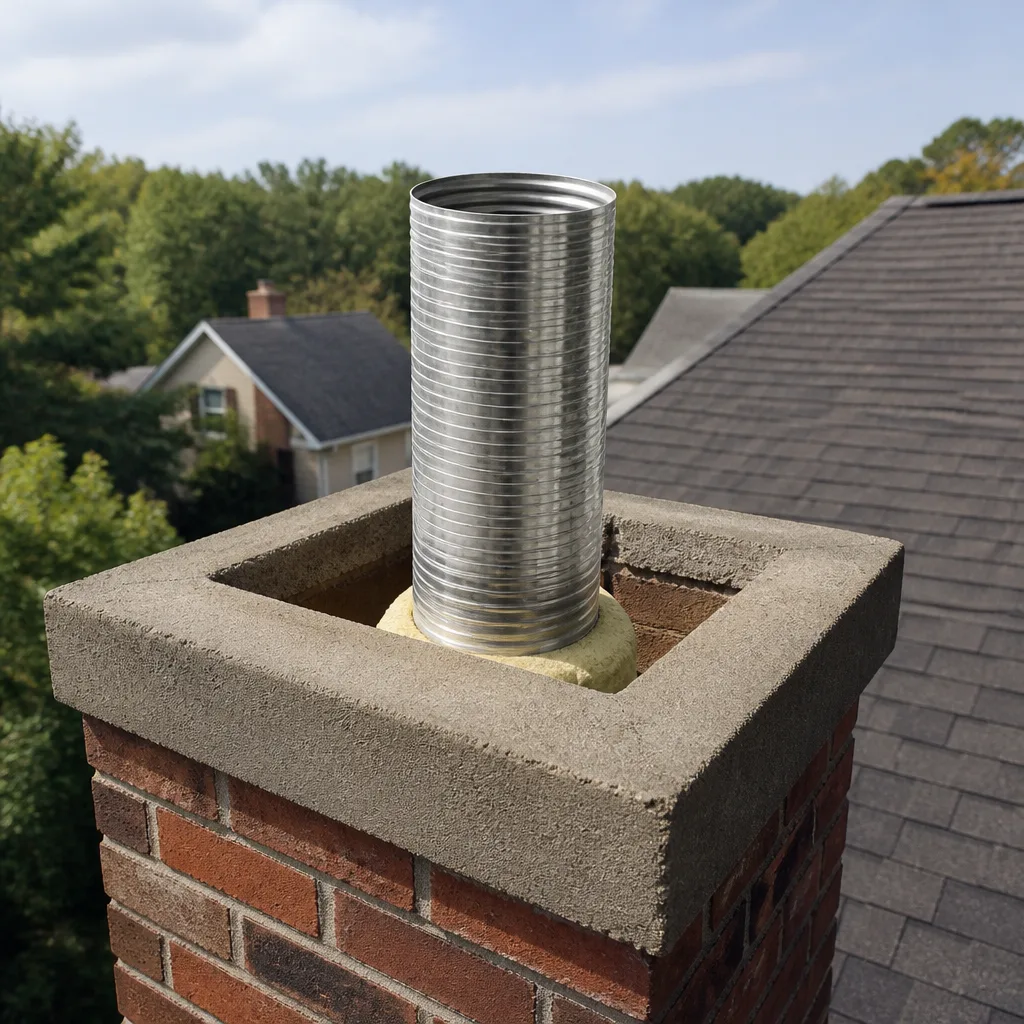 Flue relining
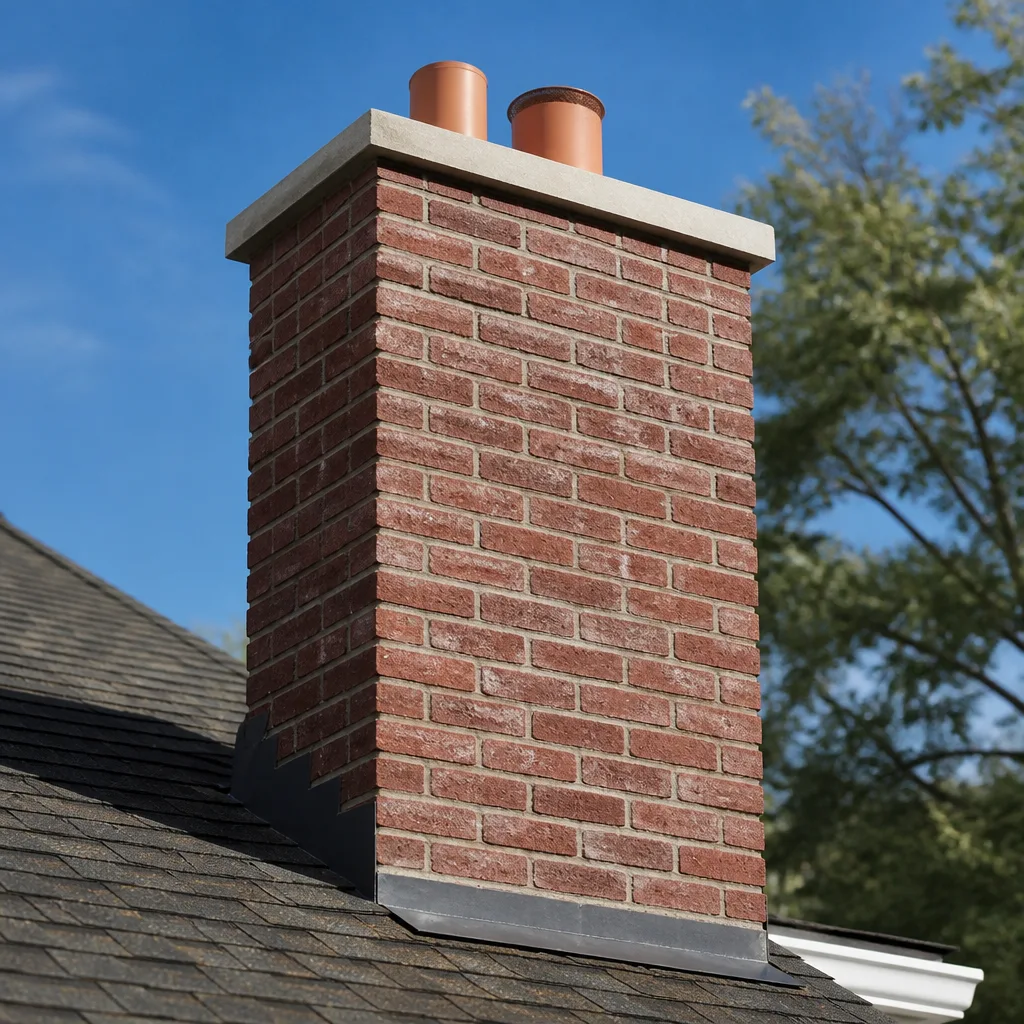 Masonry repair
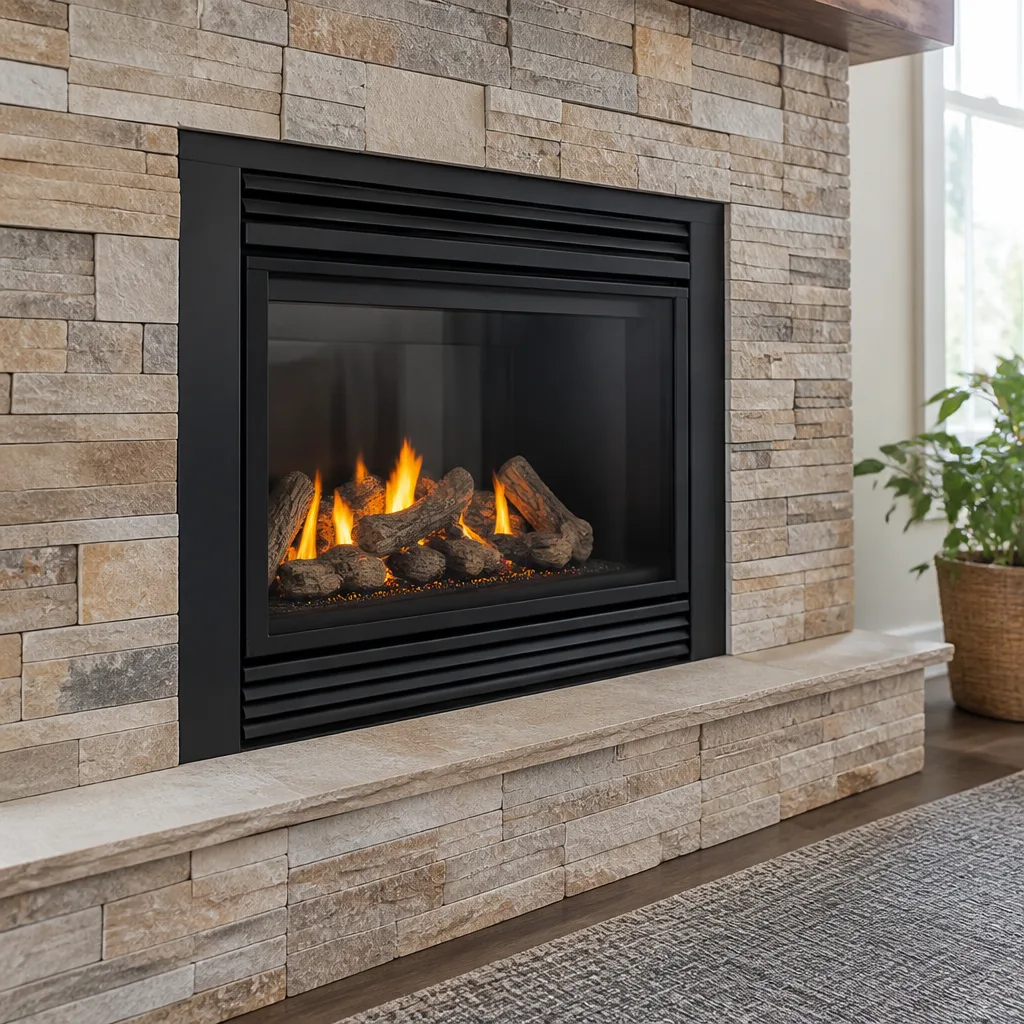 Gas fireplace service
Level 1 sweep and inspection to the NFPA 211 annual standard - flue, crown, cap, and flashing checked and photographed
Chimney sweep logs do not sweep chimneys. They loosen some creosote - which then falls where a brush and vacuum still have to collect it.
Chimney Sweep Maintenance Checklist for Fort Lauderdale Homeowners
The single most-skipped maintenance item in Fort Lauderdale chimneys isn’t creosote removal. It’s the chimney cap inspection. Salt air corrodes standard galvanized caps within 18 to 24 months, and most homeowners don’t realize theirs is gone until water stains bloom across the ceiling. This guide walks you through a maintenance checklist calibrated specifically for coastal South Florida, where humidity, salt spray, and a short October-to-March fireplace season create risks that a standard Midwestern checklist simply never addresses. You’ll learn what to check yourself each month, what belongs in a licensed technician’s hands, and what documentation you should demand after every service visit.
Quick Answer
A chimney maintenance checklist for Fort Lauderdale homeowners should be organized by month, separating visual checks you can do yourself (chimney cap rust, efflorescence, damper operation) from tasks that require our Chimney Sweep services with written scope (flue inspection, creosote removal, crown sealing). The most critical items are quarterly chimney cap inspections because salt air destroys caps fast, monthly exterior scans for moisture staining, and a full professional sweep and inspection before the October-to-March fireplace window opens.
Styles & brands we work with
Table of Contents
- Why a Fort Lauderdale Chimney Checklist Can’t Copy a Midwest One
- Monthly Visual Checks You Can Do Yourself
- Quarterly Chimney Cap and Crown Inspections: The Salt Air Problem
- How to Read Efflorescence on Your Chase: Early Moisture Warning
- Pre-Season Checklist Timed to Fort Lauderdale’s October – March Window
- What Requires a Licensed Sweep (and Why You Need It in Writing)
- What to Get in Writing After Any Service Visit
- Common Mistakes to Avoid
- When to Call a Professional
Why a Fort Lauderdale Chimney Checklist Can’t Copy a Midwest One
A chimney in Fort Lauderdale faces a fundamentally different set of threats than one in Columbus or Minneapolis. The Midwest deals with freeze-thaw cycles that fracture masonry. South Florida deals with salt-laden air, near-constant humidity, and a fireplace that sits idle for eight months of the year. Those conditions change which components fail first and how often you need to inspect them.
In our experience serving Fort Lauderdale homes for over two decades, the failure order is almost always the same. First the chimney cap corrodes and falls apart. Then water enters the flue and sits there. Then the damper rusts shut or sticks open. Then the firebox mortar begins to spall, which means it crumbles in flakes. Then the homeowner notices a musty smell in the living room in August and calls us. By that point, the repair bill is four times what a cap replacement would have cost.
The checklist below is organized around that reality. It splits tasks into two columns: what you can visually verify from the ground, and what requires a technician with training, tools, and a written report. You don’t need to be an expert to catch a missing cap or a white mineral stain. You do need an expert to tell you whether the flue liner is still intact.
What’s Different About Coastal Broward County
- Salt spray accelerates corrosion. Homes within three miles of the ocean face measurably faster degradation of galvanized metal components. A cap that lasts 10 years inland can fail in two years on Las Olas or Victoria Park.
- Humidity breeds creosote even without fires. Creosote forms from wood smoke, but humid air trapped in an unused flue can combine with old residue to create acidic compounds that attack masonry.
- Heavy summer rains expose weaknesses immediately. Fort Lauderdale averages over 60 inches of rain a year. Any crack in a crown or missing cap gasket gets discovered fast, often by a ceiling stain.
- The fireplace season is short and intense. Most Fort Lauderdale homeowners burn from October through March, with the heaviest use around the holidays. That concentrated use means fresh creosote deposits build quickly in a short window.
Monthly Visual Checks You Can Do Yourself
These take ten minutes and require no tools beyond your eyes and maybe a pair of binoculars. Do them on the first weekend of every month, year-round. Most problems caught early cost a few hundred dollars to fix. Caught late, they cost thousands.
The Five-Minute Ground Scan
- Look up at the cap. Can you see it? If the metal screen or solid top is missing entirely, water and animals have open access to your flue. A missing cap is the number one cause of avoidable water damage we see in Fort Lauderdale homes.
- Check the crown. The crown is the concrete slab that caps the masonry stack. Look for visible cracks, missing chunks, or a surface that looks powdery or pitted. Hairline cracks wider than a dime need attention.
- Scan the brick or stucco face. Look for vertical cracks, bulging sections, or dark stains that indicate water saturation. Pay attention to the mortar joints between bricks – if they look recessed or crumbly, water is getting in.
- Check the flashing. Flashing is the metal band where the chimney meets the roof. Look for rust, lifting, or missing sections. Flashing failure sends water under the roof deck, and that’s a problem that spreads fast.
- Sniff test at the fireplace. Open the damper and smell. A sharp, acrid, or musty odor suggests a blockage, water accumulation, or creosote buildup. A mild smoke smell is normal. A strong smell that gets worse on humid days is not.
Log what you see. A simple notes app entry dated and described is enough. When you call a chimney sweep in Fort Lauderdale, that log helps the technician understand the timeline.
Quarterly Chimney Cap and Crown Inspections: The Salt Air Problem
Do this check every three months, not once a year. Here’s why. Standard galvanized chimney caps are zinc-coated steel. Zinc sacrifices itself to protect the steel, but in a salt-heavy coastal environment, that sacrifice happens fast. The cap on a Fort Lauderdale home two miles from the beach can show visible rust within 18 months and fail completely within 36. If your cap is painted rather than galvanized, the paint hairline-cracks within a year in this climate and rust blooms underneath.
What you’re looking for in a quarterly inspection:
- Rust at the seams. The welded corners or folded edges fail first. Orange staining or flaking there means the cap is structurally compromised.
- Holes in the mesh screen. The side screening keeps birds, squirrels, and raccoons out. A hole the size of a quarter is an open door.
- A cap that’s shifted or tilted. Hurricane-force winds move improperly secured caps. A tilted cap leaves one side of the flue exposed to rain.
- Missing fasteners. Screws and bolts corrode too. If the cap wobbles in the wind, it’s one storm away from becoming a projectile.
Replacement caps don’t have to be expensive. A professional-grade stainless steel or copper cap from brands like Copperfield resists corrosion far longer than galvanized steel. When we replace a cap in Fort Lauderdale, we write the material specification on the invoice so you know exactly what’s going on your flue.
How to Read Efflorescence on Your Chase: Early Moisture Warning
Efflorescence is the white, chalky mineral staining you sometimes see on masonry surfaces. It looks like salt residue. That’s essentially what it is – dissolved minerals from inside the masonry that get carried to the surface by moisture and left behind when the water evaporates. In Fort Lauderdale’s humid climate, efflorescence appears faster and more dramatically than in drier regions, because the ambient air is already saturated.
Here’s the critical distinction most guides skip. Efflorescence is a symptom, not a disease. It tells you water is moving through your masonry. The question is where the water is coming from, and the answer determines whether you have a $300 fix or a $3,000 one.
Reading the Pattern
- Uniform, light staining near the bottom of the chase. This often means ground moisture wicking upward. In Fort Lauderdale, where the water table is high, this is common. It’s usually the least urgent pattern, but it still warrants monitoring.
- Staining that follows vertical lines down from the crown. This points to crown failure. Water is entering through cracks in the top slab and running down inside the masonry. This gets worse with every rain.
- Staining concentrated around one side or one section. This often correlates with the prevailing wind direction driving rain against one face of the chimney. It means the brick or stucco is absorbing water directly, and a water repellent treatment may be warranted.
- Staining that reappears within days of being cleaned off. Active moisture is still moving. If efflorescence returns quickly, the water source hasn’t been addressed.
Don’t scrub efflorescence off and forget about it. That ignores the message. Photograph it, note the pattern, and send the photo to a technician when you schedule your next chimney inspection in Fort Lauderdale. A good inspector will trace the moisture source before recommending any repair.
Pre-Season Checklist Timed to Fort Lauderdale’s October – March Window
Fort Lauderdale’s fireplace season is short. Most homeowners light their first fire in late October, when the first cool front pushes through, and their last fire in early March, before the spring heat and humidity settle back in. That means the pre-season window for annual maintenance is September through mid-October. For a deeper look at what this involves, see The Complete Guide to Chimney Cleaning in Fort Lauderdale. Here’s the sequence to follow.
- Schedule your annual sweep and inspection in September. Don’t wait until the first cold snap. Chimney companies in South Florida book heavily in October and November, and the professional ones run on schedule, not on “call us when you’re ready and we’ll squeeze you in.”
- Do a visual smoke test before your appointment. Light a rolled piece of newspaper in the firebox with the damper fully open. Does smoke draw up the flue? If it billows back into the room, note that and tell the technician. It could be a blockage, a damper problem, or negative pressure in the house.
- Clear the area around the fireplace. Move furniture, rugs, and anything combustible at least three feet back. The technician needs room to work and lay down drop cloths.
- Check your firewood supply. In Fort Lauderdale, wood storage is trickier than in drier climates because of humidity and insects. Store firewood outside, off the ground, and covered only on top. Fully tarping wood traps moisture. Burn only seasoned hardwood – oak, maple, or hickory – with a moisture content below 20%. Green wood creates more creosote per fire than any other variable.
- Test your carbon monoxide detectors. This belongs on your pre-season list no matter what kind of fireplace you have. Working CO detectors are the last line of defense against a blocked or damaged flue. Replace batteries in September, every year.
- Get your written report and keep it. After the sweep and inspection, you should receive a written summary of what was found, what was done, and what was recommended. Keep it in a folder – you’ll want it next September.
We see a pattern in Fort Lauderdale every October: homeowners who skipped the pre-season appointment call in the second week of December, when the fireplace is already being used nightly and the discovery of a problem forces them to choose between stopping the fires or running the risk. Schedule ahead and you make that decision once, on your own timeline.
What Requires a Licensed Sweep (and Why You Need It in Writing)
Some jobs are not DIY. Here’s the dividing line. Anything that requires looking inside the flue, removing creosote, repairing structural masonry, or altering gas connections belongs to a licensed professional. A visual check from the ground tells you something is wrong. It doesn’t tell you what, or how serious, or what it’ll cost to fix.
Jobs That Belong to a Licensed Technician
- Flue inspection. A camera inspection is the only way to see what’s happening inside the flue. Without it, even a skilled technician is guessing. If a company tells you the liner needs replacing but doesn’t show you camera footage, find another company.
- Creosote removal. Standard chimney sweeping is not a visual task. It involves rotary brushes, HEPA-filtration vacuums, and a knowledge of how hard to scrub without damaging the liner. Glazed creosote, which builds fast in Fort Lauderdale’s humid conditions when homeowners burn unseasoned wood, requires chemical treatment first.
- Flue relining. Replacing the inner liner that channels smoke safely out of the house. This is structural work that affects fire safety and code compliance. Materials matter – a stainless steel liner from a manufacturer like DuraFlex is specified by diameter, gauge, and insulation requirement, not by whatever is cheapest at the supply house.
- Crown repair or rebuilding. A cracked crown needs proper repair with a flexible sealant or full reconstruction, depending on severity. Slapping concrete patch over a cracked crown is a temporary fix that fails within a season in Fort Lauderdale’s rain.
- Masonry repair. Spalled bricks, failed mortar joints, and chimney leaning all require structural work by someone who understands how chimneys distribute load. Cosmetic patching won’t address the underlying problem.
- Gas fireplace service. Gas log sets, gas starters, and vented gas fireplaces all involve combustible connections. This is not a territory for homeowner experimentation.
We’ve seen too many Fort Lauderdale homeowners get burned by verbal assurances. A technician says “everything looks fine” and three months later there’s water in the firebox. The word “fine” is unenforceable. A written report that describes the condition of each component, with photos, is something you can verify. That’s the Garrison Standard we follow on every job: the price, the scope, and the guarantee all go in writing before any work begins.
What to Get in Writing After Any Service Visit
A verbal sign-off is worth nothing. Here’s what a professional chimney company should give you after a sweep, inspection, or repair in Fort Lauderdale:
- A written service summary. What was done, what was found, and what condition each component was in at the time of service.
- Inspection photos. Every decent chimney company runs a camera up the flue. Ask for the images or a video file. Keep them on your phone.
- The written price you approved. If the invoice doesn’t match the approval, you have a problem. Our policy is straightforward: the price on your invoice is the price you were quoted before work began.
- Material specifics. If any component was replaced – a cap, a liner, a damper – the invoice should name the manufacturer and model. DuraFlex, HeatShield, Gelco, and Copperfield all make professional-grade products that a homeowner can look up independently. If the invoice just says “liner,” ask for the spec.
- The written guarantee. At Flint Chimney Co Fort Lauderdale, every repair carries a written guarantee valid for one full year. If a covered repair fails within that period, we return at no charge. That’s the 365-Day Done Right Promise, and it’s written on every repair invoice because a guarantee you can’t produce on paper isn’t a guarantee.
If a company won’t put it in writing, don’t let them put tools on your property. It’s that simple.
Common Mistakes to Avoid
- Skipping the cap inspection because you never use the fireplace. An unused fireplace is not a maintenance-free fireplace. The flue is still open to rain, humidity, and animals whether you burn or not. We see more damage in unused Fort Lauderdale chimneys than in used ones because nobody’s paying attention.
- Using a general handyman for chimney work. Chimney systems involve fire safety, structural loads, and building code. A handyman who can patch drywall is not qualified to assess a flue liner. The risk isn’t just shoddy work – it’s a chimney fire or carbon monoxide accumulation.
- Accepting a verbal diagnosis without camera evidence. “Your liner is shot” is a claim. Show me the footage. Any legitimate chimney repair in Fort Lauderdale should be justified with images you can see.
- Painting over efflorescence instead of tracing the moisture. A coat of paint hides the symptom for a season and lets the water keep moving through your masonry. By the time it bleeds through the paint a year later, the damage is worse.
- Storing firewood against the house. In Fort Lauderdale’s humidity, wood stacked against an exterior wall invites termites, mold, and moisture into both the wood and the wall. Keep it off the ground and at least three feet from any structure.
- Burning wood that’s too green. Unseasoned wood creates creosote at three to five times the rate of properly dried hardwood. In South Florida, where wood storage is a challenge anyway, this is the fastest way to turn a safe system into a fire hazard.
- Waiting until December to book a sweep. The Fort Lauderdale fireplace season is short but concentrated. September and October are the months to schedule. By November, the honest companies are booked, and the ones with open calendars are open for a reason.
When to Call a Professional
Here’s the short list. You notice water stains on the ceiling near the chimney. You smell smoke or musty air in the fireplace during summer. You see rust on the cap or cracking in the crown. Your fireplace smokes back into the room when lit. You haven’t had the flue inspected in over a year. You found animal droppings or nesting material in the firebox. You’ve just bought a home and haven’t had the chimney looked at. Any of these calls justifies a service visit. Flint Chimney Co Fort Lauderdale offers free estimates in Fort Lauderdale – call (754) 354-1430 and a live person will answer.
See the difference
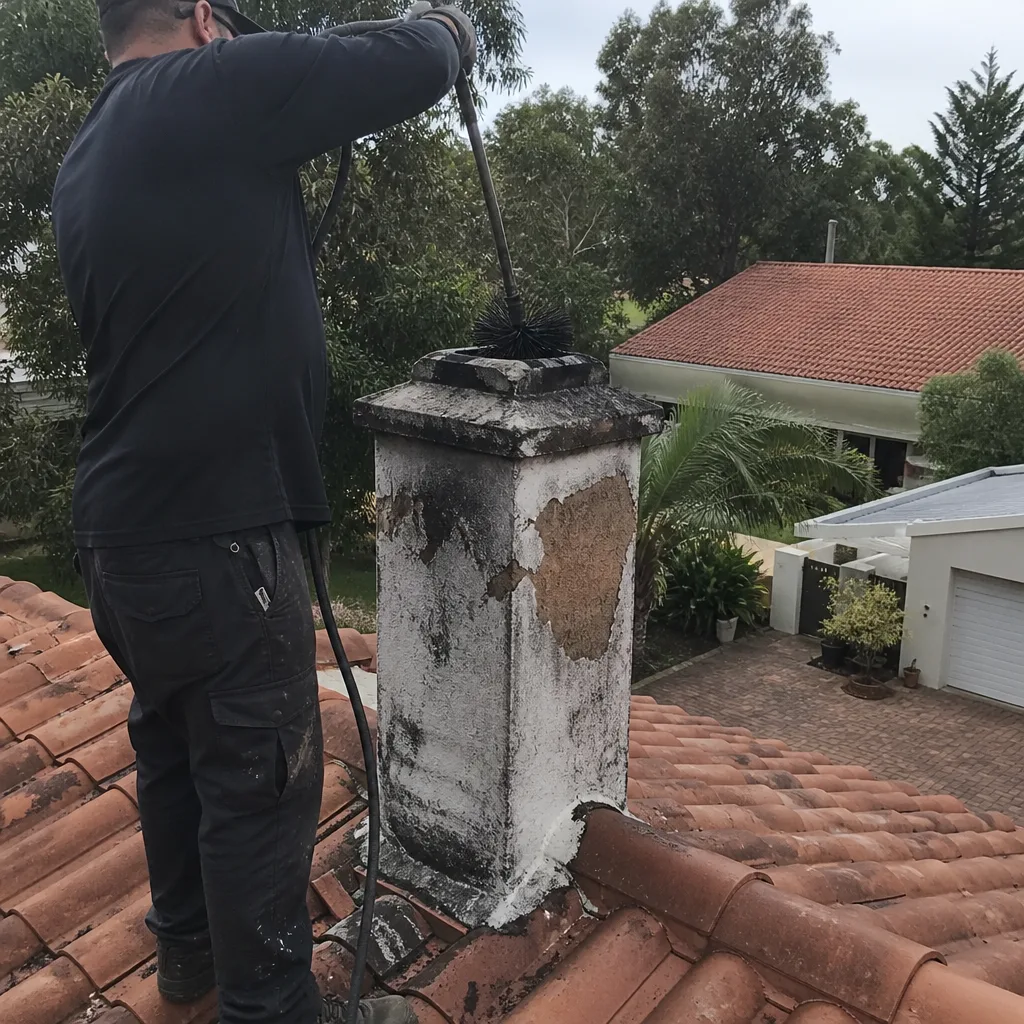 Before
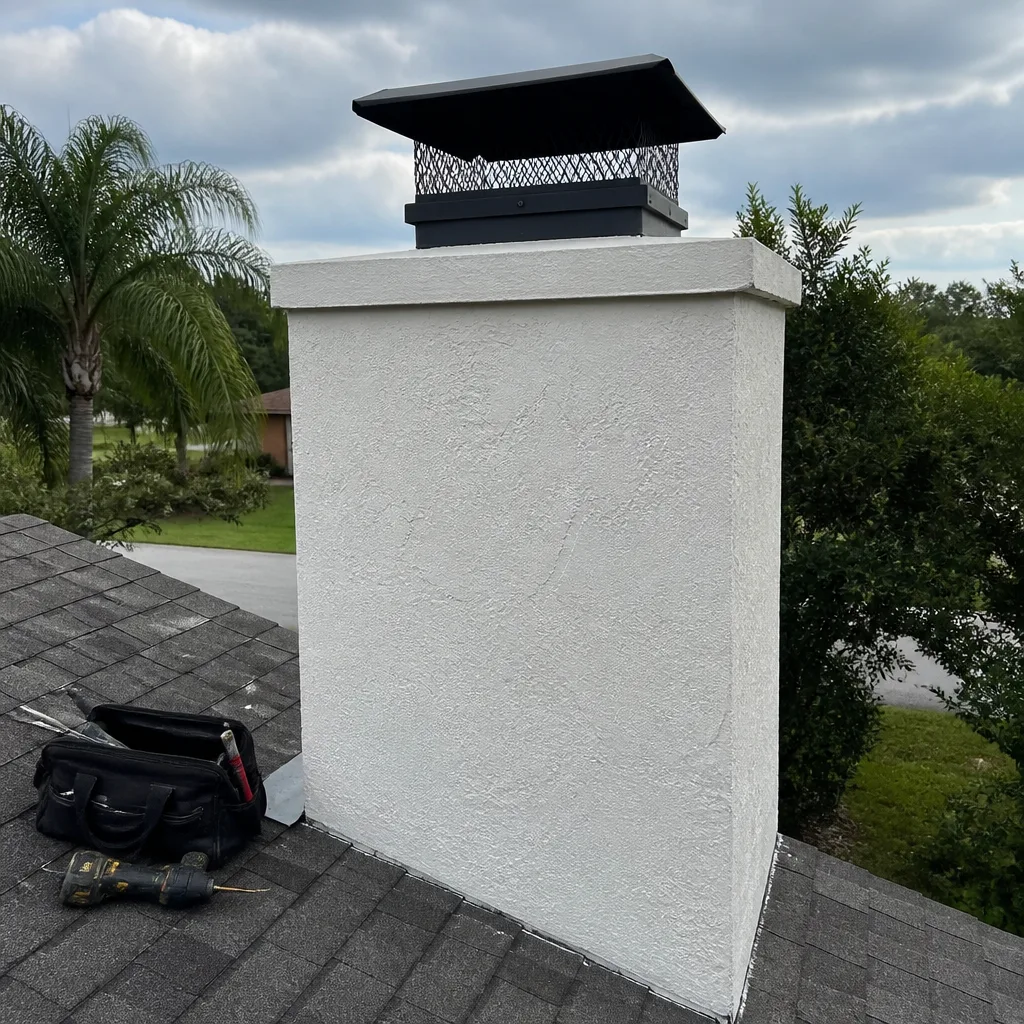 After
After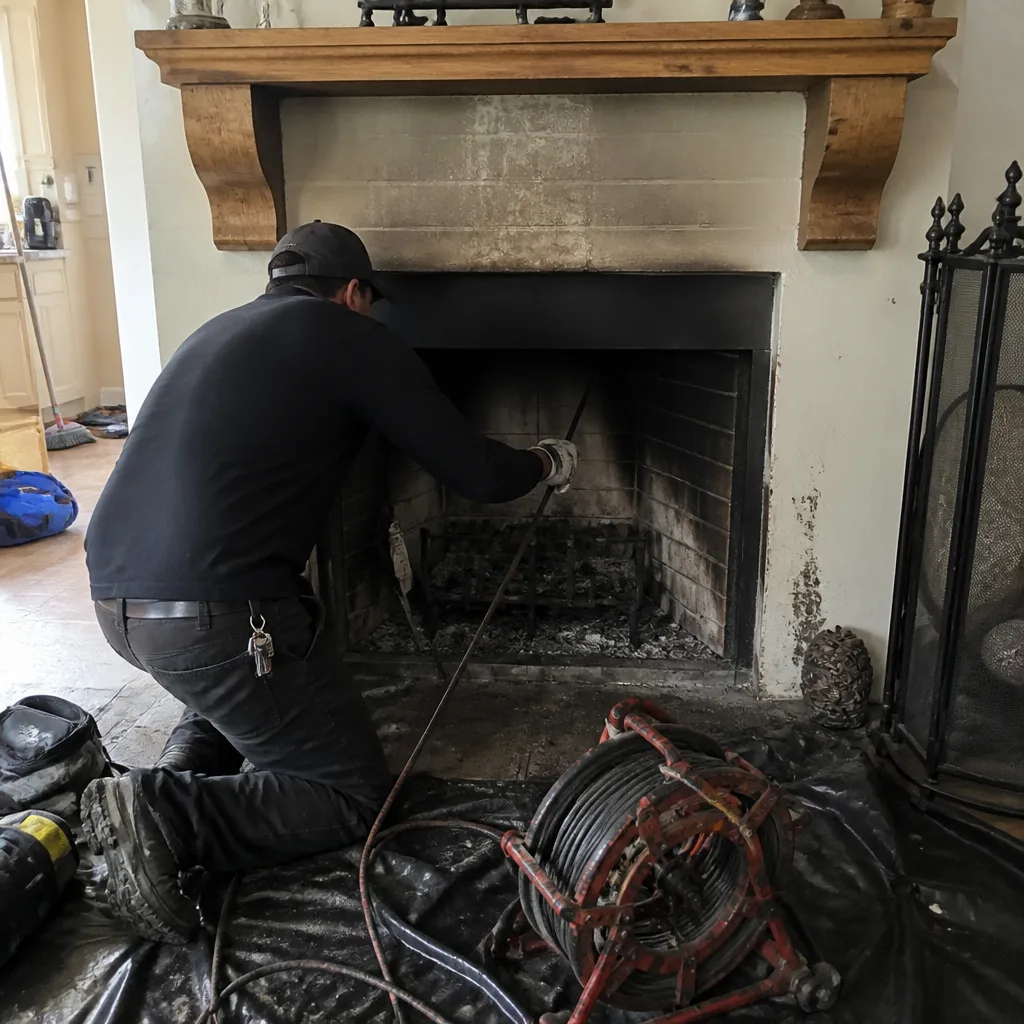 Before
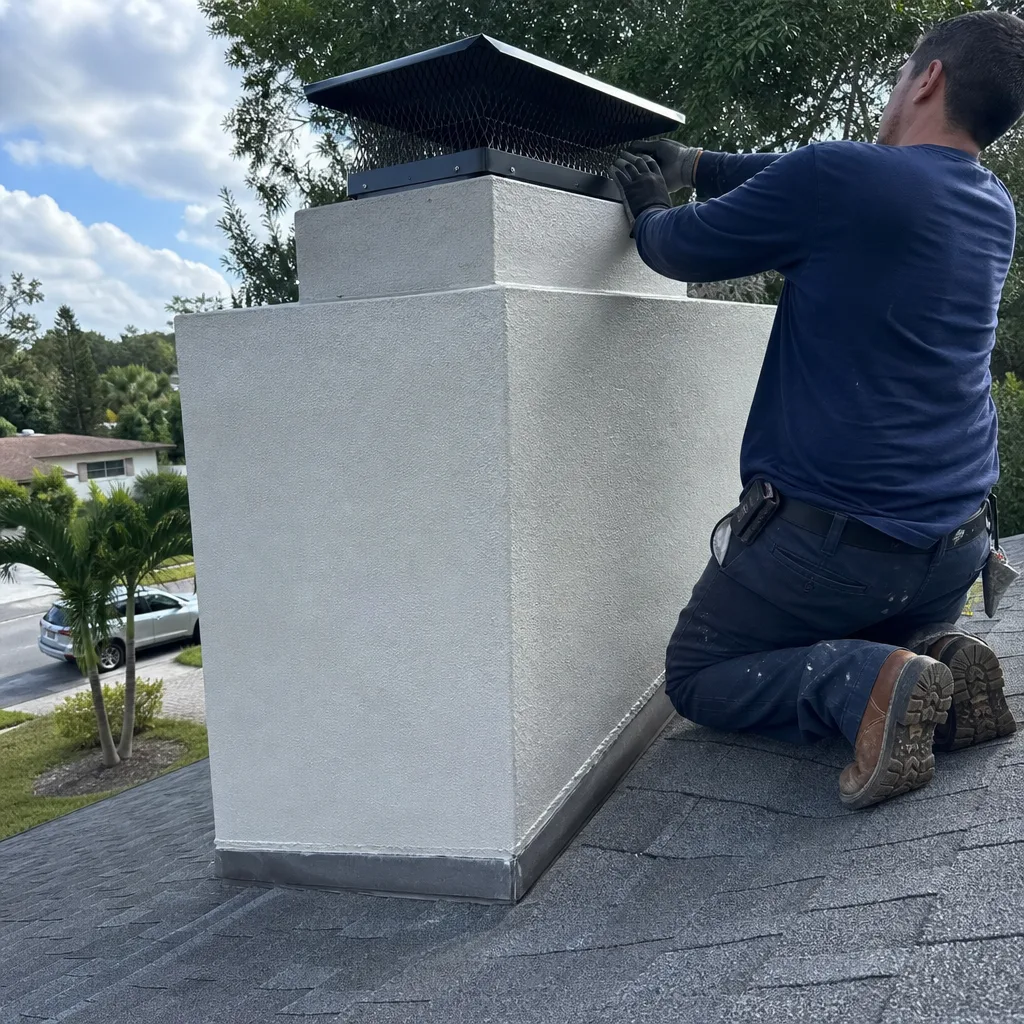 After
After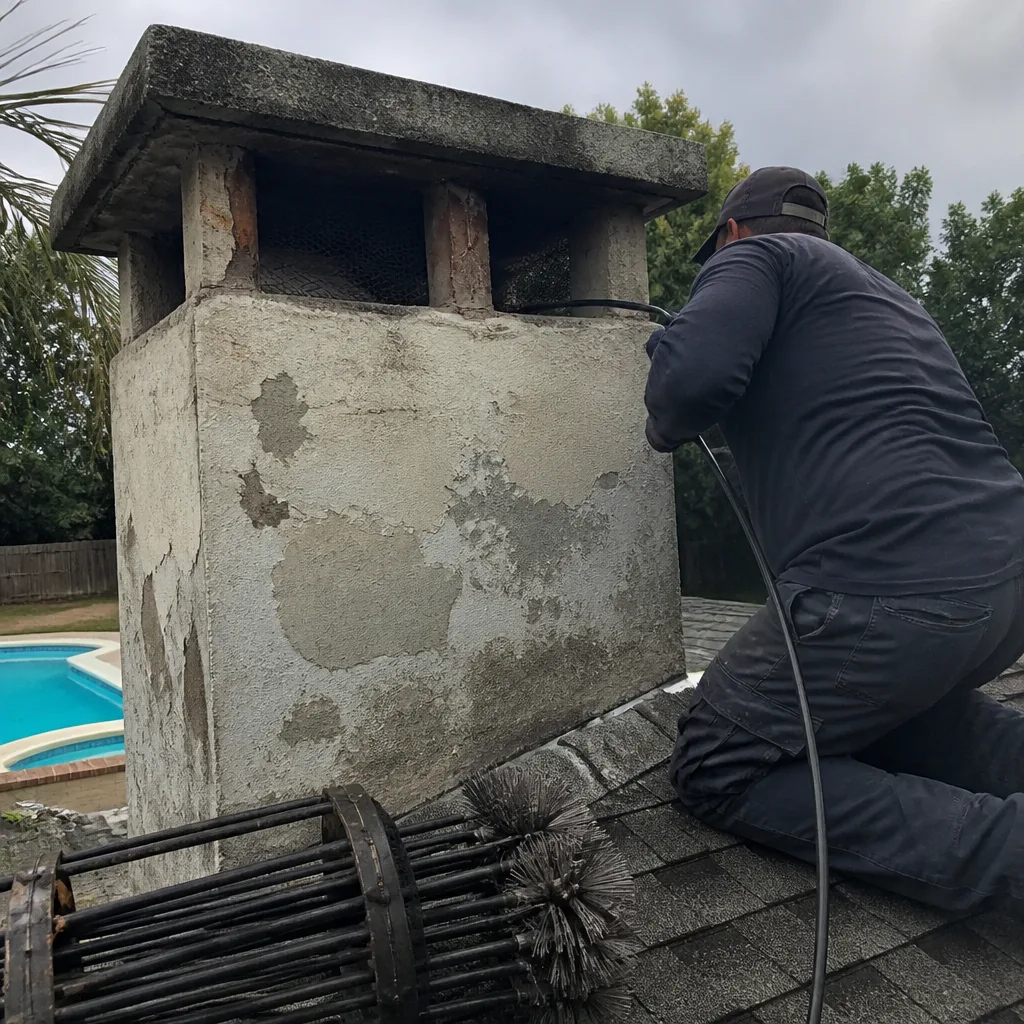 Before
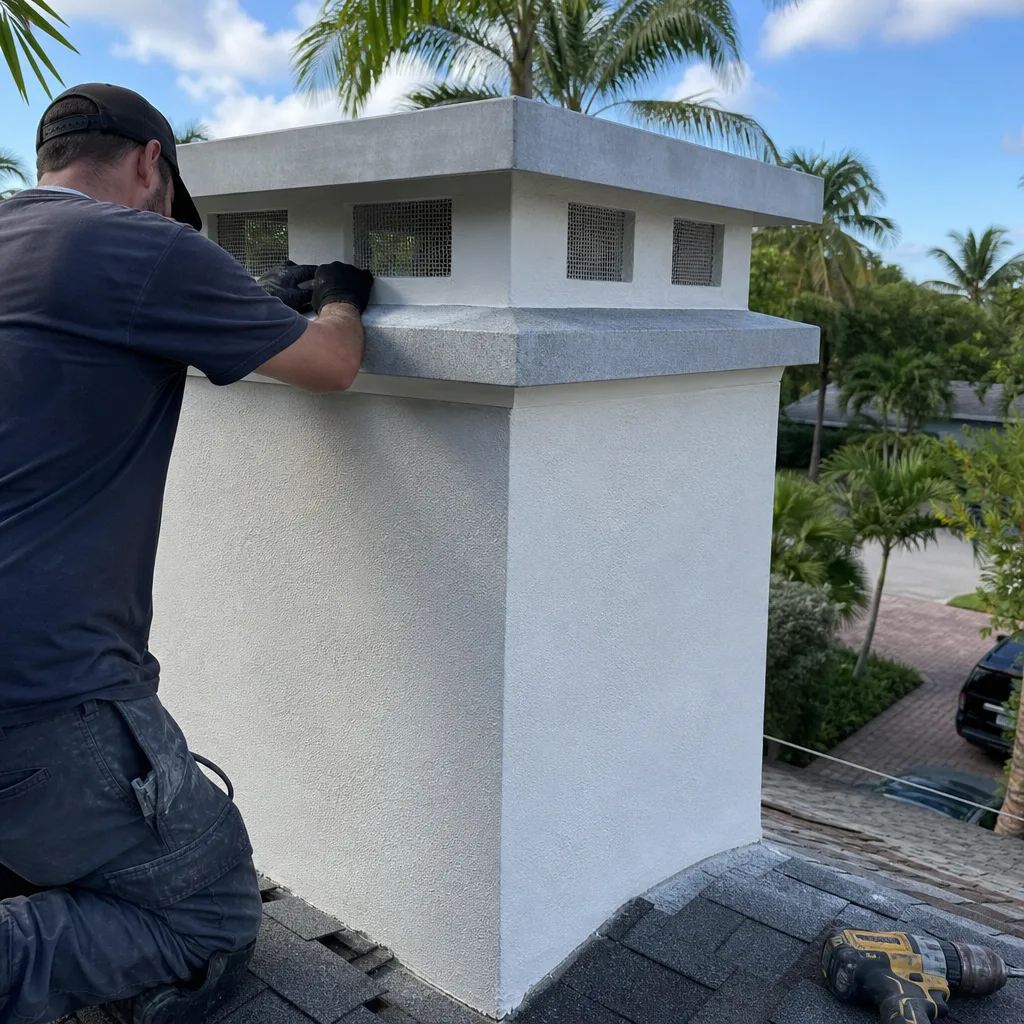 After
AfterFrequently Asked Questions
Once a year, minimum, timed to September or early October before the fireplace season begins. If you burn more than twice a week during the season, or if you burn wood that isn’t perfectly seasoned, schedule a second sweep mid-season. The humid South Florida air makes creosote buildup more corrosive than in dry climates, even if the total volume looks similar.
A standard chimney sweep in Fort Lauderdale typically runs $180 to $340 depending on the flue size, condition, and level of creosote buildup. Inspection is often bundled into the same visit. If you’ve been quoted a price, ask whether it includes the inspection report and any camera footage. Call (754) 354-1430 for an exact quote before any work starts – that’s how we operate.
Yes, without exception. A chimney cap in South Florida does three jobs: it blocks rain from entering the flue year-round, it prevents birds and rodents from nesting inside, and it keeps burning embers from exiting the top of the flue onto dry roofing. In a climate with salt air and heavy summer rains, a cap is not optional equipment. If yours is missing or rusted through, replace it before the next big storm.
Efflorescence is white mineral staining that indicates moisture moving through masonry. The pattern tells you where the water is entering: bottom staining suggests ground wicking, top-down staining suggests crown failure, and side staining suggests wind-driven rain absorption. It’s an early warning sign, not just a cosmetic issue, and should be evaluated by a professional who can trace the source.
The failure cascade is predictable in Fort Lauderdale: cap corrodes, water enters, damper rusts, masonry spalls, creosote accumulates, and eventually you’re looking at a $2,000 to $5,000 repair instead of a $200 service visit. The deterioration compounds because the climate works against the chimney every single month, not just when you burn. Call us at (754) 354-1430 to schedule an inspection before small problems compound.
Visual checks from the ground, yes. Cleaning the firebox, yes. Testing your damper, yes. Anything that involves climbing onto the roof, reaching into the flue, removing creosote, repairing masonry, or touching gas connections, no. Those jobs require training and equipment that protect both you and the house. A fall from a roof or a mishandled gas line carries consequences that no maintenance checklist can justify.
The Bottom Line
A Fort Lauderdale chimney maintenance checklist has to account for what’s actually happening in this climate: salt corrosion, heavy rain, high humidity, and a short but intense burning season. Check the cap quarterly. Check for efflorescence monthly. Sweep and inspect annually in September. And get everything in writing – the price, the scope, the materials, and the guarantee. For more guides & resources, explore our blog. A chimney that’s maintained on this cadence will last decades. One that’s ignored in coastal South Florida will show visible damage within three years. It’s your choice, but the options have very different price tags.
Written by Hank Delano, Owner at Flint Chimney Co Fort Lauderdale, serving Fort Lauderdale since 2002.