
Last updated October 15, 2026
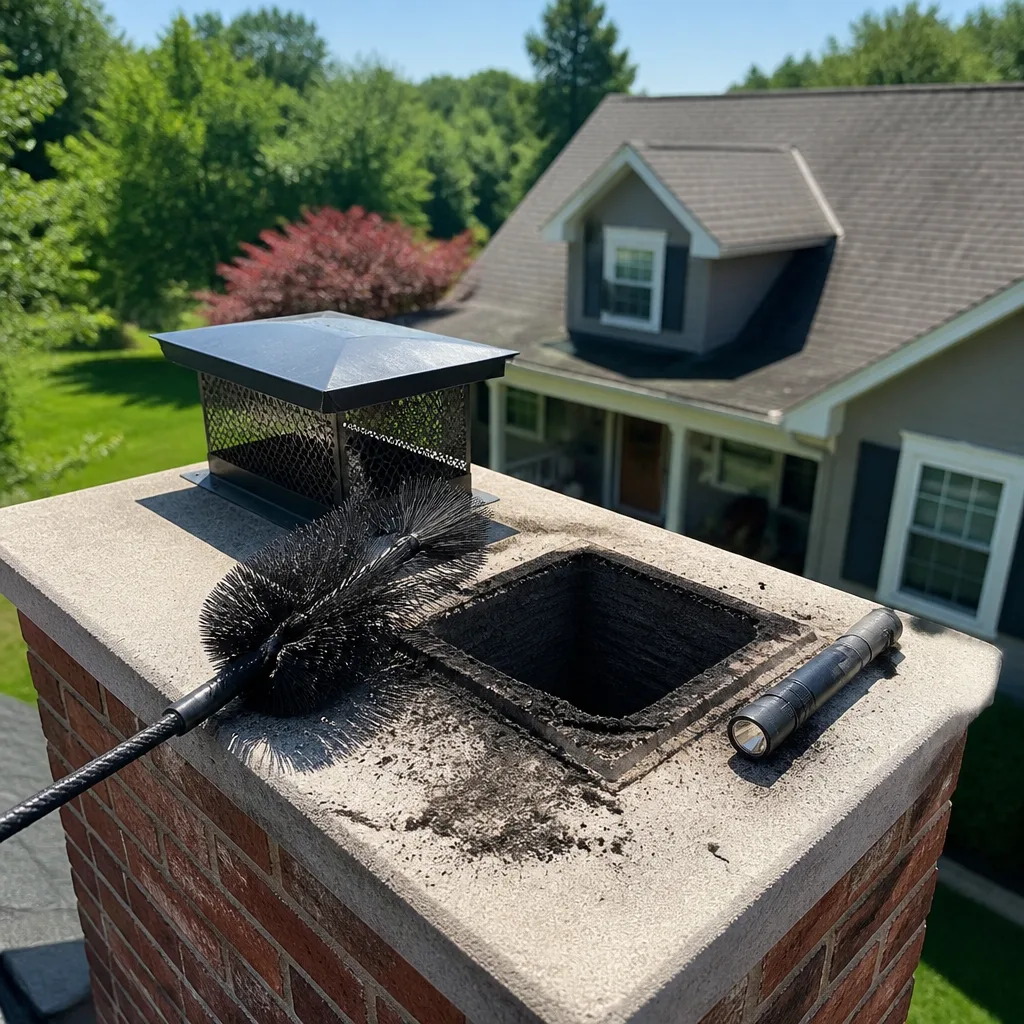 Sweep & inspection
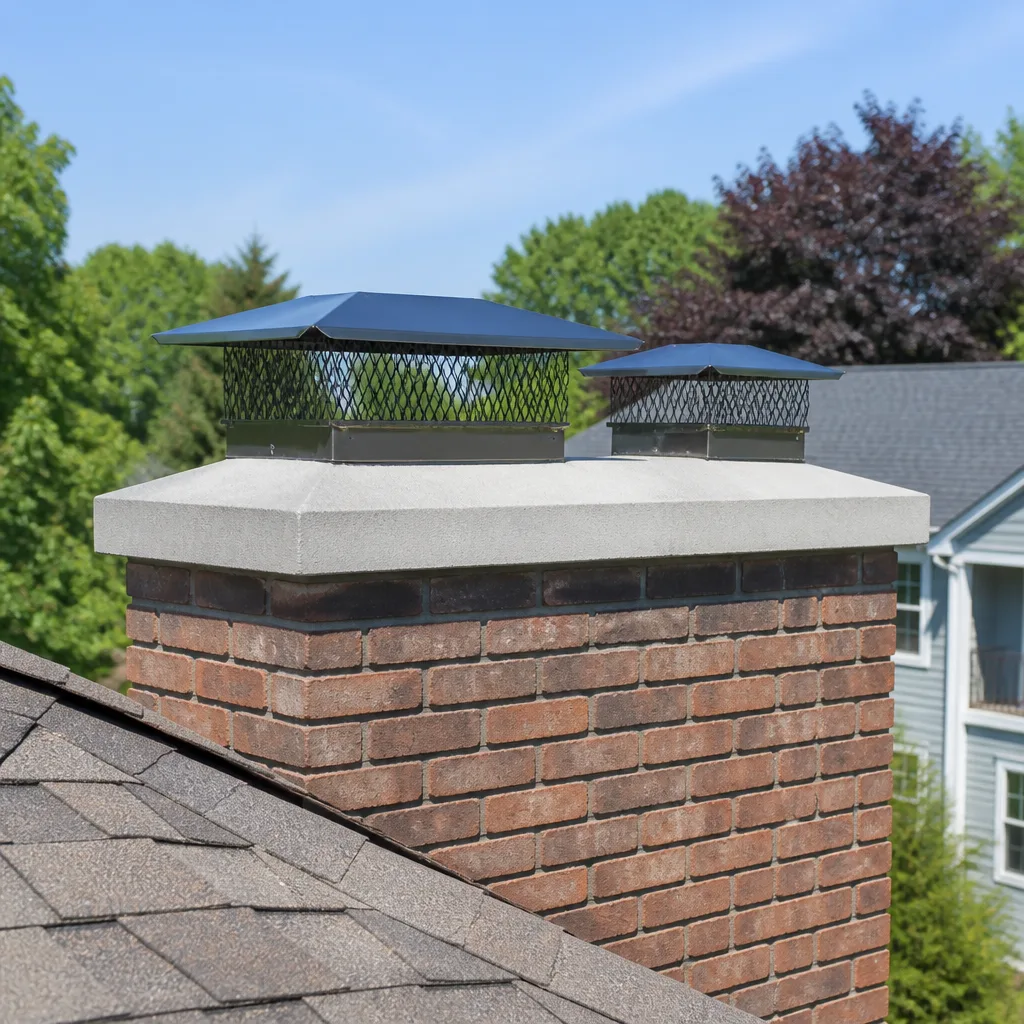 Caps & crowns
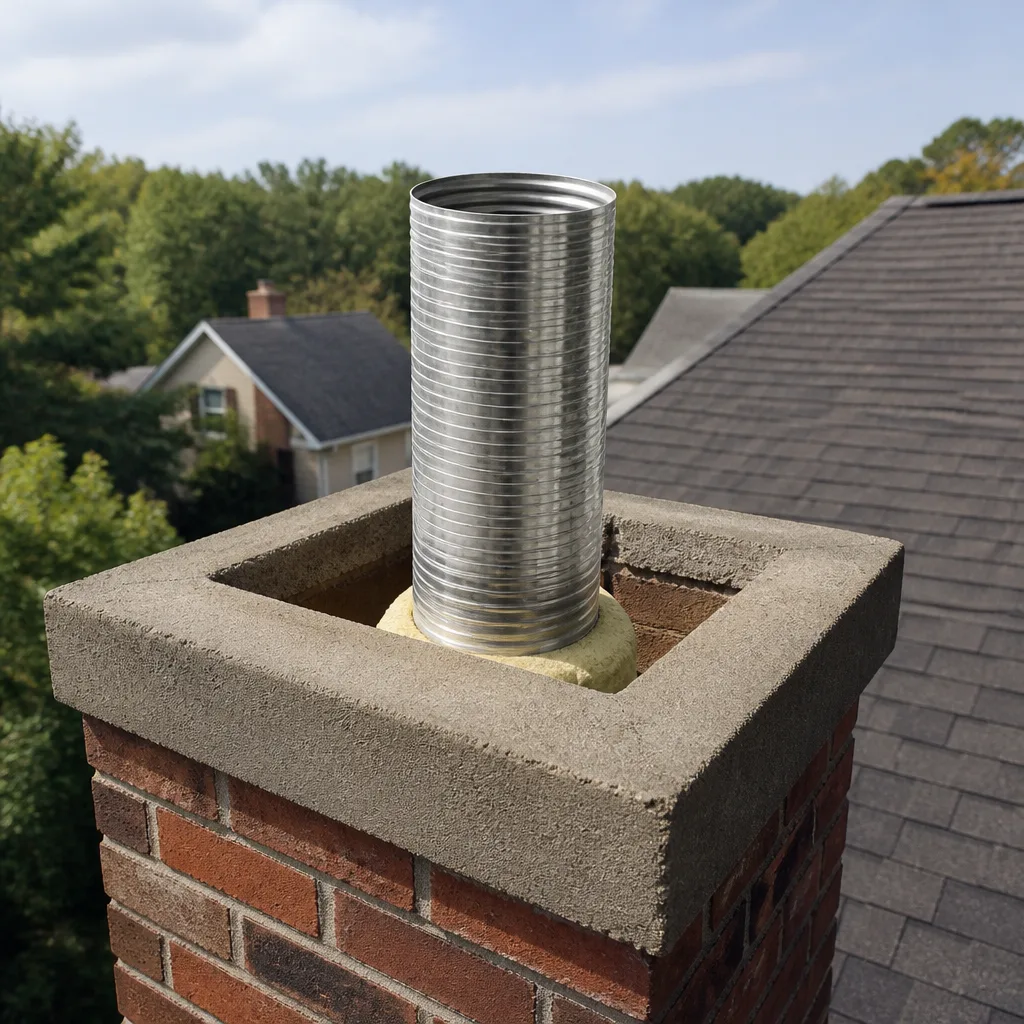 Flue relining
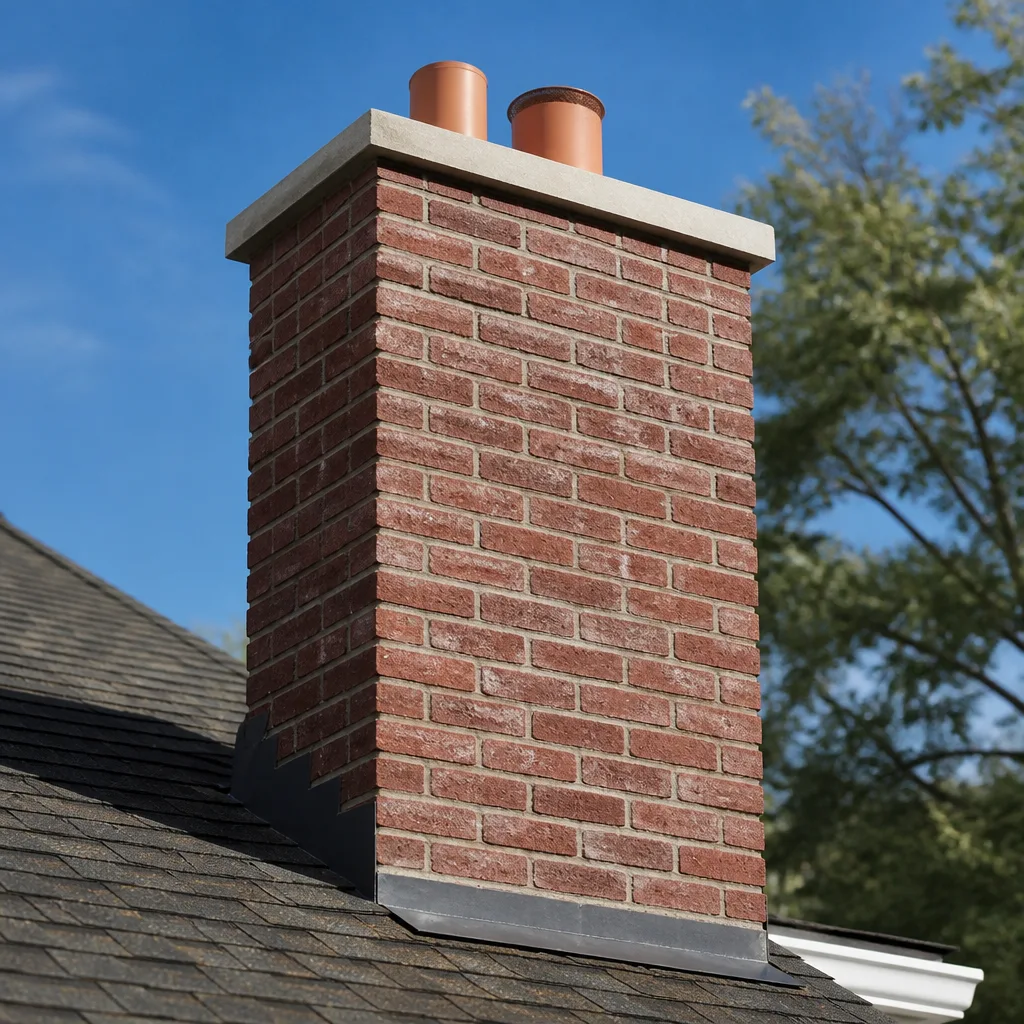 Masonry repair
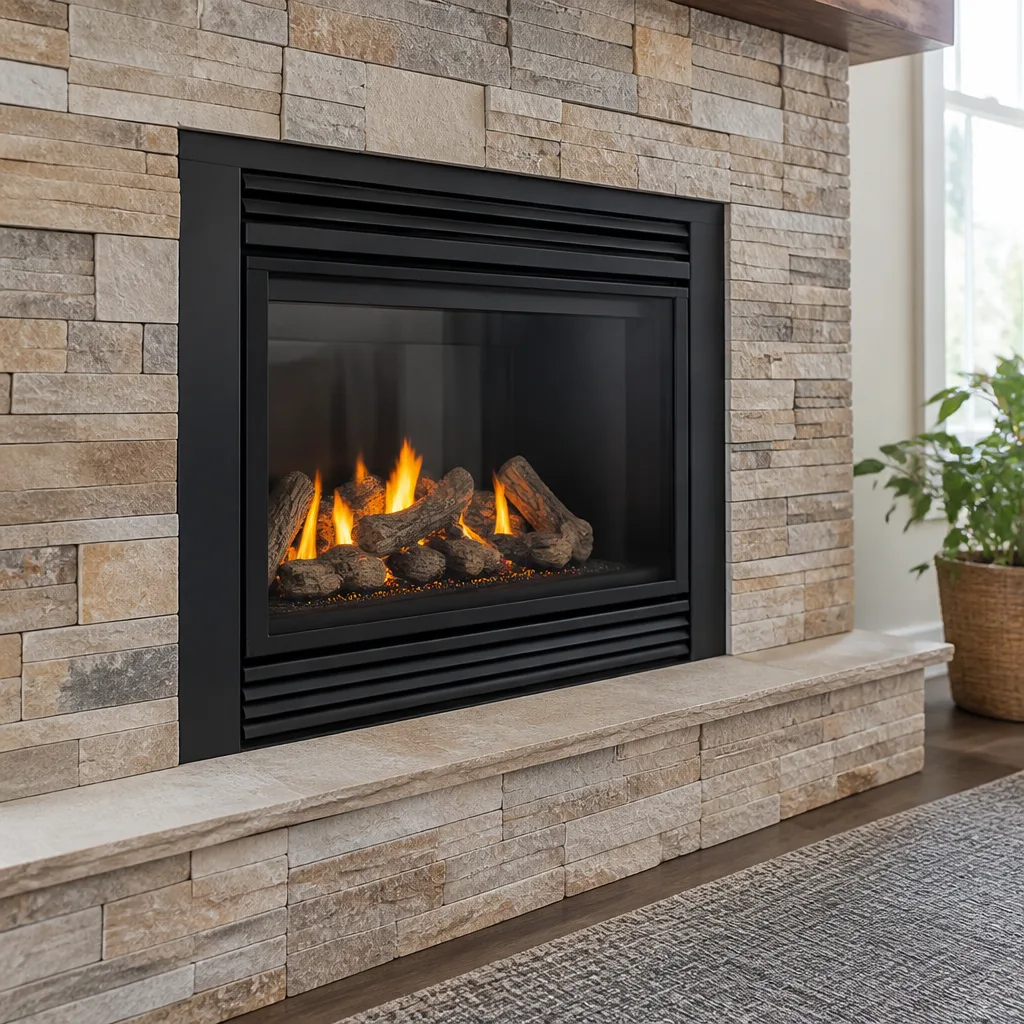 Gas fireplace service
Level 1 sweep and inspection to the NFPA 211 annual standard - flue, crown, cap, and flashing checked and photographed
Chimney sweep logs do not sweep chimneys. They loosen some creosote - which then falls where a brush and vacuum still have to collect it.
Chimney Cleaning Permits, Codes & Inspections in FL: What You Need to Know
A routine chimney cleaning in Fort Lauderdale costs somewhere between $189 and $349. What happens after the sweep, though, is where Florida homeowners get surprised. The cleaning itself requires no permit anywhere in the state. But if the technician finds a cracked flue liner, a rusted-out damper, or firebox damage during that cleaning, the repair that follows can fall under Broward County permit requirements. And if that repair was done years ago without a permit, it surfaces again at the worst possible moment: when you’re selling the house. This guide-along with our Complete Guide to Chimney Cleaning in Fort Lauderdale-explains where Florida draws the line between maintenance and permitted work, what NFPA 211 actually requires, and how to protect yourself before a $189 cleaning becomes a $3,500 unpermitted-improvement problem on a closing disclosure.
Quick Answer
Chimney cleaning does not require a permit anywhere in Florida, including Fort Lauderdale and all of Broward County. What does require a permit is structural repair work: rebuilding a firebox, replacing a flue liner, or altering the chimney’s exterior structure beyond cosmetic repair. Florida Building Code Section 1001 governs fireplace and chimney construction standards, while NFPA 211 sets the inspection protocol that licensed chimney professionals follow. The practical rule: if the work changes what the chimney is made of, it likely needs a permit. If it just removes what built up inside it, it doesn’t.
Styles & brands we work with
Table of Contents
- The Florida Permit Rule: Maintenance vs. Repair
- Broward County Permit Thresholds: What Actually Gets Pulled
- NFPA 211 in Florida: The Standard Inspectors Follow
- Florida Building Code Section 1001: What It Governs
- Unpermitted Chimney Work: Insurance, Disclosures, and Resale
- The Written Scope Document: What It Must State About Permits
- Why Fort Lauderdale’s Climate Changes the Inspection Math
- Common Mistakes to Avoid
- When to Call a Professional
- Frequently Asked Questions
The Florida Permit Rule: Maintenance vs. Repair
Florida draws a clean line between chimney maintenance and chimney repair, and that line determines whether a permit gets pulled. Maintenance means removing what accumulated: soot, creosote, debris, and the occasional dead bird. Repair means changing what the chimney is made of: replacing liner material, rebuilding masonry, reworking the crown, or installing a new cap assembly that requires structural anchoring. See our Chimney Sweep Maintenance Checklist for Fort Lauderdale Homeowners for a full breakdown of what’s maintenance versus repair.
In every Florida jurisdiction, including Fort Lauderdale, a standard chimney sweep with brush and vacuum is classified as routine maintenance. No permit. No inspection. No code compliance issue. State law doesn’t even require a specific license to perform a sweep, though reputable companies carry general contractor or specialty contractor credentials because the inspection component demands it.
The confusion starts when a sweep uncovers damage. A cracked clay tile liner cannot be fixed by cleaning it. The repair, which typically involves either stainless steel relining with a product like DuraFlex or a poured-in-place system like HeatShield, changes the material composition of the flue. That’s a repair under Florida code, and it’s where Broward County’s permitting desk enters the conversation.
We see Fort Lauderdale homeowners every month who didn’t know the previous owner did unpermitted liner work. It surfaces during their own pre-listing inspection or worse, during the buyer’s inspection. By then, the repair itself isn’t the problem. The missing permit record is. We’ll get into exactly how that plays out later in this guide.
Broward County Permit Thresholds: What Actually Gets Pulled
Broward County follows Chapter 1 of the Florida Building Code, which delegates permit administration to the county’s Building Code Services Division. Here’s the practical breakdown of what’s happening in Fort Lauderdale right now.
Work That Does Not Require a Permit in Broward County
- Chimney sweeping and cleaning: Any method, any frequency. No permit, no notification.
- Visual and camera inspection: Level 1 and Level 2 inspections as defined by NFPA 211 are non-invasive. No permit required because you’re not altering anything.
- Chimney cap replacement: Swapping a rusted cap for a new one that fits the existing flue tile is considered a like-for-like replacement. Broward County treats this as maintenance, provided no structural anchoring or masonry alteration is involved.
- Minor mortar repointing: Filling small gaps in brick joints where the underlying structure is sound. Broward County’s threshold: repointing less than 25% of the masonry surface area stays in maintenance territory.
Work That Requires a Permit in Broward County
- Flue liner replacement or installation: Whether it’s stainless steel like DuraFlex or a ceramic cement system like HeatShield, installing a new liner is a material change to the fire safety system. Pull a permit.
- Firebox rebuild: Reconstructing the firebrick interior where the fire actually burns is structural work. Broward County classifies this as an alteration requiring a building permit.
- Full or partial chimney rebuild: Any masonry teardown and reconstruction above the roofline, including crown replacement with structural changes, requires a building permit and possibly a roofing permit if the flashing is integrated.
- Chimney removal: Taking down a chimney entirely requires a demolition permit in Broward County, plus an inspection to confirm the remaining structure is properly sealed.
The tipping point in Fort Lauderdale is usually the liner. A $2,000 to $3,800 reline job that should have been permitted is the most common unpermitted chimney improvement we see in Fort Lauderdale.
NFPA 211 in Florida: The Standard Inspectors Follow
NFPA 211 is the National Fire Protection Association’s standard for chimneys, fireplaces, vents, and solid fuel burning appliances. Florida has adopted NFPA 211 by reference into the Florida Building Code, which means it carries the force of law in Broward County.
Here’s what NFPA 211 actually requires for chimneys in single-family homes, and how it plays out in Fort Lauderdale.
- Annual inspection for solid fuel appliance chimneys: NFPA 211 Section 15.2 says chimneys, fireplaces, and vents shall be inspected at least once a year. This applies to Fort Lauderdale homes with wood-burning fireplaces, even if the fireplace only gets lit twice a year for a resale condition check. The humid salt air in Fort Lauderdale doesn’t remove creosote, but it does accelerate rust on dampers and flashing.
- Three levels of inspection: Level 1 is visual, done during routine maintenance when nothing has changed since the last inspection. Level 2 is the camera inspection, required when a property is being sold or transferred, or when any operational malfunction occurred. Level 3 is the invasive inspection, which involves removing parts of the chimney or building structure, and it’s reserved for cases where a Level 2 found something serious. Every Fort Lauderdale real estate transaction with a fireplace should trigger a Level 2.
- Clearance to combustibles: NFPA 211 specifies minimum distances between chimney components and any combustible material, including wood framing, insulation, and roofing materials. The standard is 2 inches for exterior masonry chimneys and varies for manufactured systems. Fort Lauderdale’s older bungalow neighborhoods, particularly around Victoria Park and Sailboat Bend, have chimneys that predate modern clearance standards. A good inspection flags this.
- Chimney termination height: The chimney must extend at least 3 feet above the highest point where it passes through the roof, and at least 2 feet above any structure within 10 feet. Fort Lauderdale’s flat-roof additions and second-story renos frequently violate this rule.
What NFPA 211 does not do is set permit requirements. That’s the Florida Building Code’s job. The two documents work together: NFPA 211 tells the inspector what to look for; the Florida Building Code tells the contractor when the fix requires a permit.
Florida Building Code Section 1001: What It Governs
Section 1001 of the Florida Building Code, Building volume, governs chimneys and fireplaces. It’s a dense section, but the parts that matter for Fort Lauderdale homeowners boil down to this:
- Construction standards: Every masonry chimney and factory-built fireplace system installed or altered in Florida must meet the material and installation standards in Section 1001. That includes liner materials. When we install a stainless steel liner in Fort Lauderdale, the liner itself must be listed to UL 1777, and the installation must follow the manufacturer’s instructions, which Section 1001 incorporates by reference.
- Structural requirements: Section 1001 covers footing depth, wall thickness, lateral support, and seismic bracing requirements. Florida’s hurricane code cross-references heavily with this section. A chimney in Fort Lauderdale that survived Wilma without proper lateral bracing may not survive the next one.
- Flue sizing and draft: Section 1001.7 specifies that flue size must match the appliance. An oversize flue causes poor draft and creosote accumulation. An undersize one causes smoke spillage. We see both in Fort Lauderdale because many fireplaces were converted from wood to gas without proper flue adjustment.
- Fireblocking: Section 1001 requires fireblocking at every point where a chimney passes through a floor or ceiling. Older Fort Lauderdale homes in neighborhoods like Shady Banks and Riverside Park frequently lack proper fireblocking around the chimney chase, which is the space between the chimney structure and the house framing.
Where Section 1001 gets practical is during an inspection. An inspector isn’t checking your chimney against Section 1001 during a routine sweep. But when a permit is pulled for a reline or rebuild, the Broward County inspector reviews the work against Section 1001 and NFPA 211 before signing off.
Unpermitted Chimney Work: Insurance, Disclosures, and Resale
This is the section that justifies this entire guide. Here’s exactly what happens in Fort Lauderdale when chimney work was done without a permit, and it’s discovered later.
Real Estate Disclosures
Florida law requires sellers to disclose any known defects and any unpermitted improvements. If a previous owner relined a chimney without pulling a Broward County permit, and you’re the current owner, you’re required to disclose that on the Seller’s Property Disclosure form when you sell. Failing to disclose it doesn’t make it go away. Buyer’s inspectors in Fort Lauderdale routinely pull permit histories from Broward County’s online database. An unpermitted chimney alteration that wasn’t disclosed creates two problems: the repair itself may be flagged as defective, and the seller’s credibility on every other disclosure gets questioned. Fort Lauderdale real estate attorneys tell us this regularly delays closings by 2 to 4 weeks while permits get retroactively pulled.
Homeowner’s Insurance Claims
Insurance companies in Florida have aggressively narrowed chimney-related coverage. If a chimney fire damages your Fort Lauderdale home, the adjuster’s first question is whether the chimney was properly maintained. The second is whether any modifications were permitted. An unpermitted liner installation gives the insurer a legal basis to deny the claim, even if the liner didn’t cause the fire. The logic: the homeowner cannot demonstrate the chimney met code at the time of the fire because no code official ever verified it.
The Retroactive Permit Problem
Broward County does allow retroactive permits, but they’re not a rubber stamp. The process typically involves hiring a licensed contractor to inspect the work, documenting what exists, and then filing for an after-the-fact permit. If the work doesn’t meet current code, which it frequently doesn’t, the homeowner pays to bring it up to code before the permit is issued. We’ve seen unpermitted liners in Fort Lauderdale that had to be fully removed and replaced because the installation method didn’t meet UL 1777 listing requirements. The $1,500 “saved” on the permit became a $4,000 removal and replacement.
The Written Scope Document: What It Must State About Permits
Before any chimney repair work begins in Fort Lauderdale, the contractor’s written scope document should answer one question in writing: who pulls the permit and who pays the permit fee? Here’s what a properly written scope document covers.
- Permit responsibility: The document states whether the contractor will obtain permits or whether the homeowner is responsible. In Broward County, the standard practice is for the contractor to pull the permit under their license. If a contractor tells you to pull your own permit as a homeowner, that’s legal in some cases but is often a signal they don’t want their license attached to the work.
- Scope of the repair: Exactly what gets replaced, what material is used, and what the finished condition will be. A reline scope should name the specific product. In our written price proposals, we specify DuraFlex for stainless steel relines and HeatShield for poured-in-place ceramic systems, so the homeowner can verify the product independently. Generic language like “reline chimney” doesn’t tell you what was installed when you need to answer an insurance adjuster’s question later.
- Inspection schedule: When the Broward County inspector will visit, what they’ll check, and what happens if the inspection fails. A written scope that doesn’t include the inspection step isn’t a real scope.
- Warranty terms: What’s covered, for how long, and what triggers a callback. Every repair we write in Fort Lauderdale includes a 365-day written guarantee. If a covered repair fails within a year, we return at no charge. That’s a process that gets enforced in writing, not a verbal promise.
- Total price: The number on the scope document is the number on the invoice. No change orders, no surprise material upcharges, no “we found additional damage” mid-point renegotiations. Fort Lauderdale homeowners who have been burned before look for this specific line item.
Hank Delano, owner at Flint Chimney Co Fort Lauderdale, built the company’s documentation standard on a simple principle: if it isn’t written down before the work starts, it didn’t happen. That applies as much to permit responsibility as it does to price and warranty terms.
Why Fort Lauderdale’s Climate Changes the Inspection Math
National chimney advice written for cold-weather states assumes wood heat is the point. Maine? Vermont? Wisconsin? They’re sweeping every year because they’re burning every day from October to April. Fort Lauderdale doesn’t have that problem. What Fort Lauderdale has is salt air, high humidity, and hurricane wind loads, and those change what a chimney inspection should prioritize.
Salt air and stainless steel: The salt-laden air in Fort Lauderdale accelerates rust on any exposed metal chimney component. Dampers rust through in 5 to 7 years here, compared to 15 to 20 in inland Florida. Chimney caps rust out faster. Flashing corrodes. A visual inspection in Fort Lauderdale should include a specific check of every exposed metal surface, because the rust cycle is dramatically shorter than national averages would suggest.
Humidity and creosote chemistry: Creosote absorbs moisture. In Fort Lauderdale’s 70%+ average humidity, a partially glazed creosote layer can become a sticky, acidic paste that bonds to the flue walls more aggressively than the flaky creosote common in dry climates. That means a chimney that’s been dormant for years can have a more dangerous creosote profile than one that’s used every week. Our Fort Lauderdale sweeps regularly remove third-stage creosote from fireplaces that haven’t seen a fire in over a decade.
Hurricane wind loads: The Florida Building Code’s wind load requirements apply to chimneys as much as roofs. Fort Lauderdale sits in a High Velocity Hurricane Zone. A masonry chimney that wasn’t properly braced or isn’t structurally continuous from footing to crown is a wind-driven hazard. After every major storm, we see calls from homeowners in neighborhoods like Rio Vista and Tarpon River whose chimneys shifted, cracked, or lost caps.
The never-used fireplace problem: Fort Lauderdale has thousands of fireplaces that never get used. They were built as architectural features in the 1950s through 1980s and have sat idle for decades. These chimneys still need inspection, because the interior condition doesn’t improve with age. Moisture gets in through cracked crowns, birds build nests, and the mortar joints inside the flue decay silently. Buyers at inspection time discover a decorative fireplace that’s actually a tear-down.
Common Mistakes to Avoid
- Skipping the permit because the contractor said it’s not needed: In Fort Lauderdale, liner replacement and firebox rebuilds require permits. If your contractor says otherwise, ask for that in writing. If they won’t put it in writing, find a different contractor.
- Confusing a Level 1 with a Level 2 inspection: A visual look through the fireplace opening doesn’t examine the interior flue. Fort Lauderdale home sales require a Level 2 camera inspection. Schedule that, not a basic sweep, when you’re buying or selling.
- Assuming the previous owner pulled permits: Broward County’s online permit portal makes this easy to check. Enter the property address and review the permit history before you buy, or before you list. Unpermitted chimney work discovered at the 11th hour delays closings.
- Ignoring a rusted damper: A damper that won’t open or close properly seems like a minor issue. In Fort Lauderdale’s salt air, it’s a leading indicator of moisture intrusion into the flue. Ignoring it means the liner damage accelerates while you wait.
- Waiting until burning season to schedule: In Fort Lauderdale, the “burning season” is roughly November through February. If you’re selling a home with a fireplace in October, the inspection backlog is real. Scheduling your sweep and inspection in spring or summer gets faster service.
- Paying for a reline without understanding the material: Not all liners are equal. Stainless steel systems like DuraFlex have different installation tolerances, warranty profiles, and code compliance paths than ceramic cement systems like HeatShield. Your contractor should specify the exact product on the proposal.
- Treating the chimney as a cosmetic feature: Fort Lauderdale homes often treat fireplaces as interior design elements. But the part you can’t see, the flue interior, determines whether the whole assembly is safe to operate. A beautiful living room fireplace with a cracked flue liner is a fire hazard with good curb appeal.
When to Call a Professional
Call a chimney professional if you notice any of these conditions: white staining on the exterior brick, which is efflorescence and means water is moving through the masonry; a smoky smell when the fireplace hasn’t been used recently; visible cracks in the firebox; rust flakes falling into the fireplace; or a damper that won’t move. Our Chimney Cleaning Warning Signs: A Fort Lauderdale Homeowner’s Reference Guide covers each of these in detail. Any of those signals merit a Level 2 camera inspection before the next fire. If you’re selling or buying a Fort Lauderdale home with a fireplace, that inspection is mandatory. Flint Chimney Co Fort Lauderdale offers free estimates in Fort Lauderdale. Call (754) 354-1430 and you’ll reach a live person who can schedule the inspection at a time that works.
Frequently Asked Questions
A standard chimney sweep in Fort Lauderdale typically runs $189 to $349, depending on flue size, accessibility, and whether the chimney has been maintained recently. That price includes the sweep, a visual Level 1 inspection, and typically a basic cap and damper check. Homes that haven’t been swept in years, or that have chimney chases requiring special access, run toward the higher end. Call (754) 354-1430 for an exact quote before any appointment. We put the price in writing before work starts, so the number on the proposal is the number you pay.
No. Chimney cleaning is classified as routine maintenance under Florida law and does not require a permit anywhere in the state, including Fort Lauderdale and Broward County. No city or county in Florida requires a permit for removing creosote, soot, or debris from a chimney flue. The permit question only enters when the cleaning uncovers damage that requires structural repair.
Flue liner replacement, firebox rebuild, any masonry reconstruction beyond minor repointing, and full or partial chimney teardown all require a building permit in Broward County. Like-for-like replacements such as a new chimney cap that fits the existing flue tile, or minor mortar repointing under 25% of the surface area, are classified as maintenance and do not require a permit. The practical rule: if the repair changes what the chimney is made of, pull a permit.
A Level 2 chimney inspection is a camera inspection of the entire flue interior, performed according to NFPA 211 standards. You need a Level 2 inspection whenever a property changes hands in Fort Lauderdale, whenever the chimney has experienced an operational malfunction like a chimney fire or water damage, or whenever the fireplace is being converted to a different fuel type. A Level 2 costs more than a basic sweep because it requires camera equipment and takes longer, but it’s the only way to document interior flue condition. Call (754) 354-1430 to schedule a Level 2 inspection, and we’ll quote the price upfront.
Homeowner’s insurance generally covers chimney damage caused by a covered peril, such as a lightning strike, windstorm, or fire. It does not cover damage from normal wear and tear, neglect, or deferred maintenance. If your Fort Lauderdale home has a cracked liner from age, that’s a maintenance issue and your policy won’t pay for it. If the chimney was relined without a permit and a later chimney fire damages the house, the insurer may deny the claim on the basis that the chimney’s code compliance cannot be verified. Maintain your chimney, keep the inspection records, and make sure any modifications were permitted.
NFPA 211 Section 15.2 specifies that chimneys serving solid fuel appliances shall be inspected at least annually and cleaned as needed. In Fort Lauderdale, where fireplaces are typically used only from November through February, a cleaning every 2 to 3 years is usually sufficient for a wood-burning fireplace in light use. However, the annual inspection is still the standard. Salt air, high humidity, and hurricane wind cycles all stress chimney components even when the fireplace sits idle. An annual check catches rusted dampers, cracked crowns, and animal intrusion before they compound.
The Bottom Line
Chimney cleaning in Florida requires no permit. Chimney repair often does, and the line between the two is material: if the work changes what the chimney is made of, Broward County wants a permit pulled by a licensed contractor. Fort Lauderdale homeowners should get a Level 2 camera inspection at minimum when buying or selling, keep every inspection record and permit notice, and insist on a written scope that names the product, states the permit responsibility, and fixes the price before work starts. If a chimney company won’t put it in writing, or waves off the permit question, find one that will. Flint Chimney Co Fort Lauderdale has been serving Fort Lauderdale since 2002 under The Garrison Standard, which means every repair carries a 365-day written guarantee and every job gets a written price before any tool comes off the truck. Browse our more guides & resources for additional Fort Lauderdale chimney advice. Call (754) 354-1430 for a free estimate.
Written by Hank Delano, Owner at Flint Chimney Co Fort Lauderdale, serving Fort Lauderdale since 2002.
See the difference
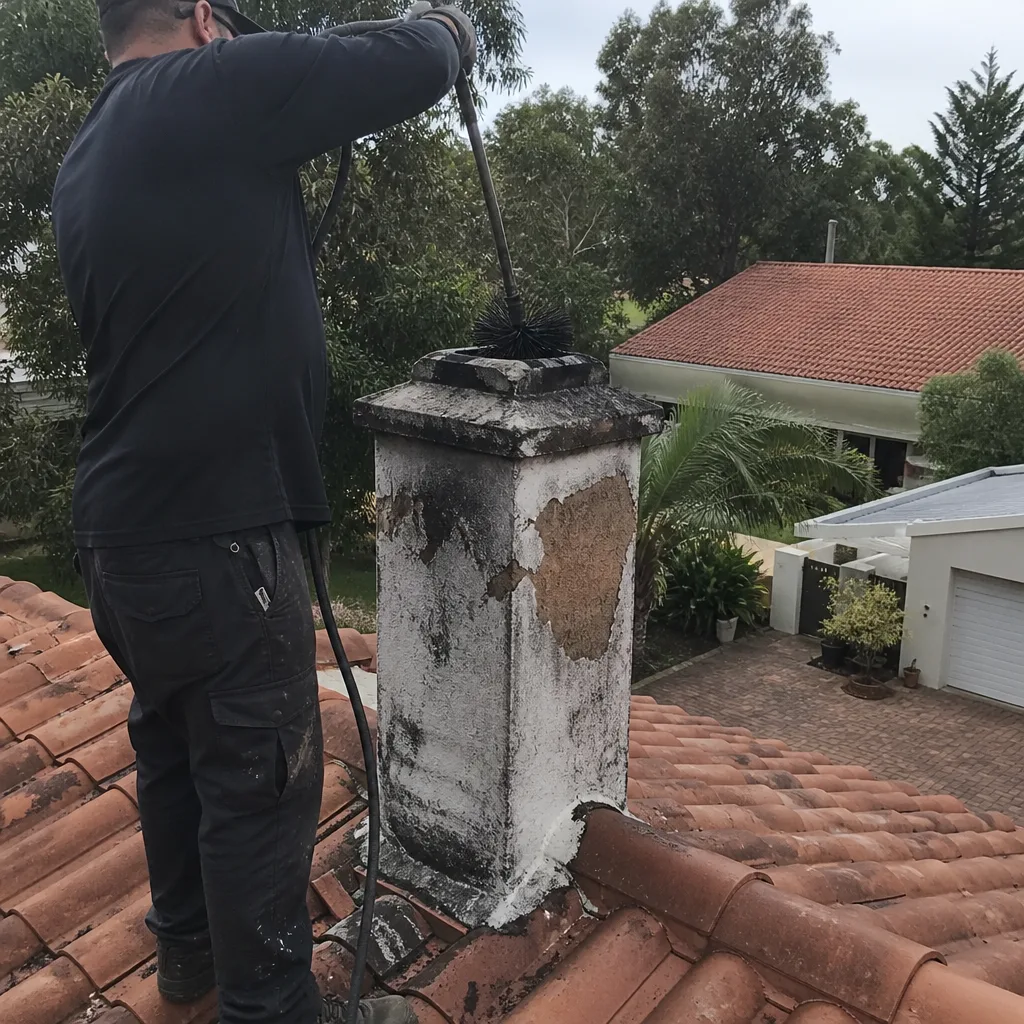 Before
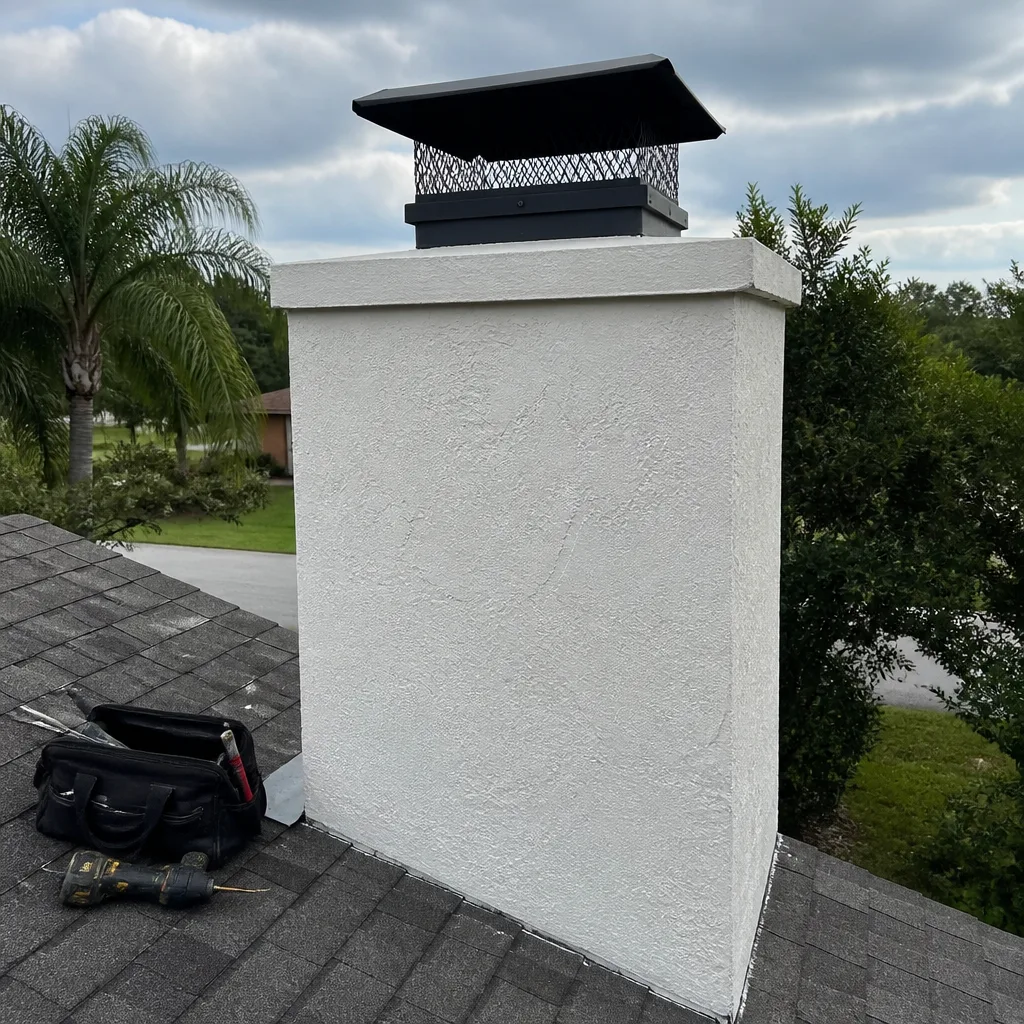 After
After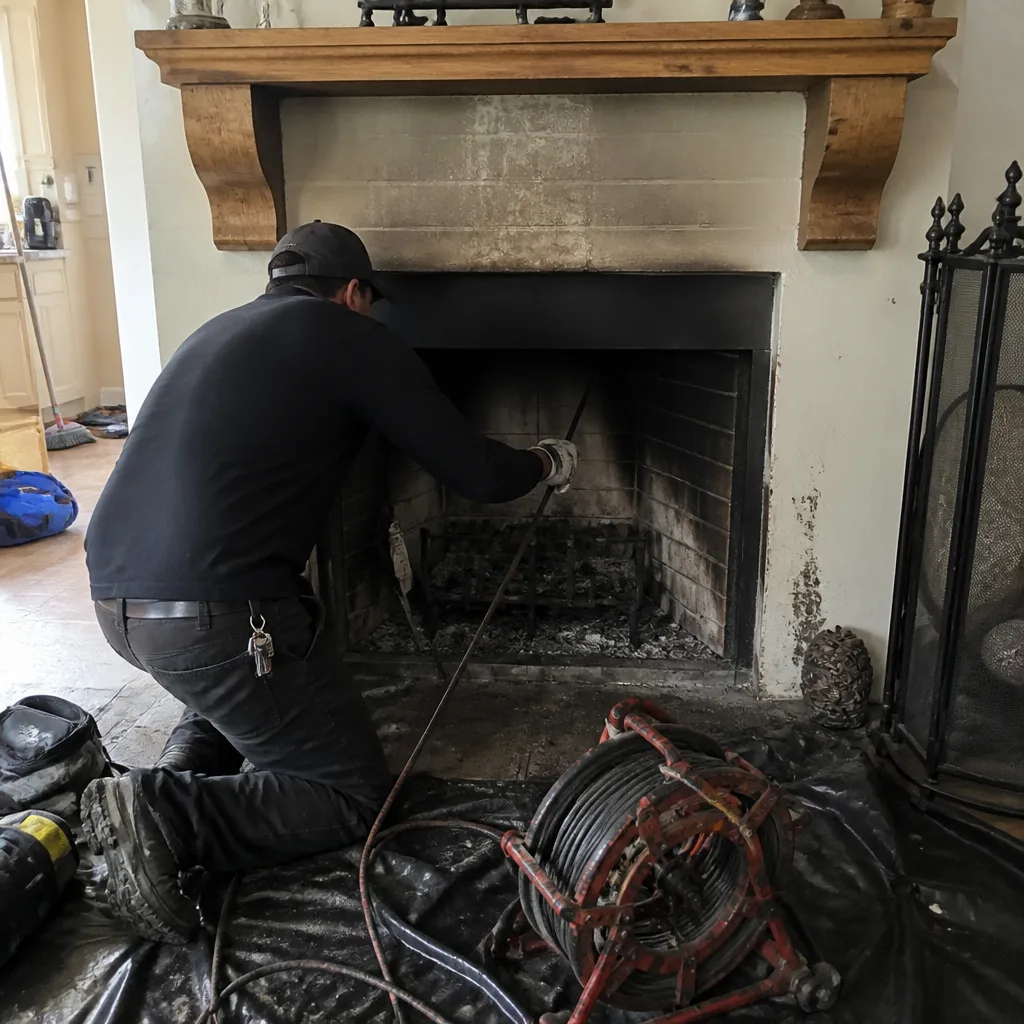 Before
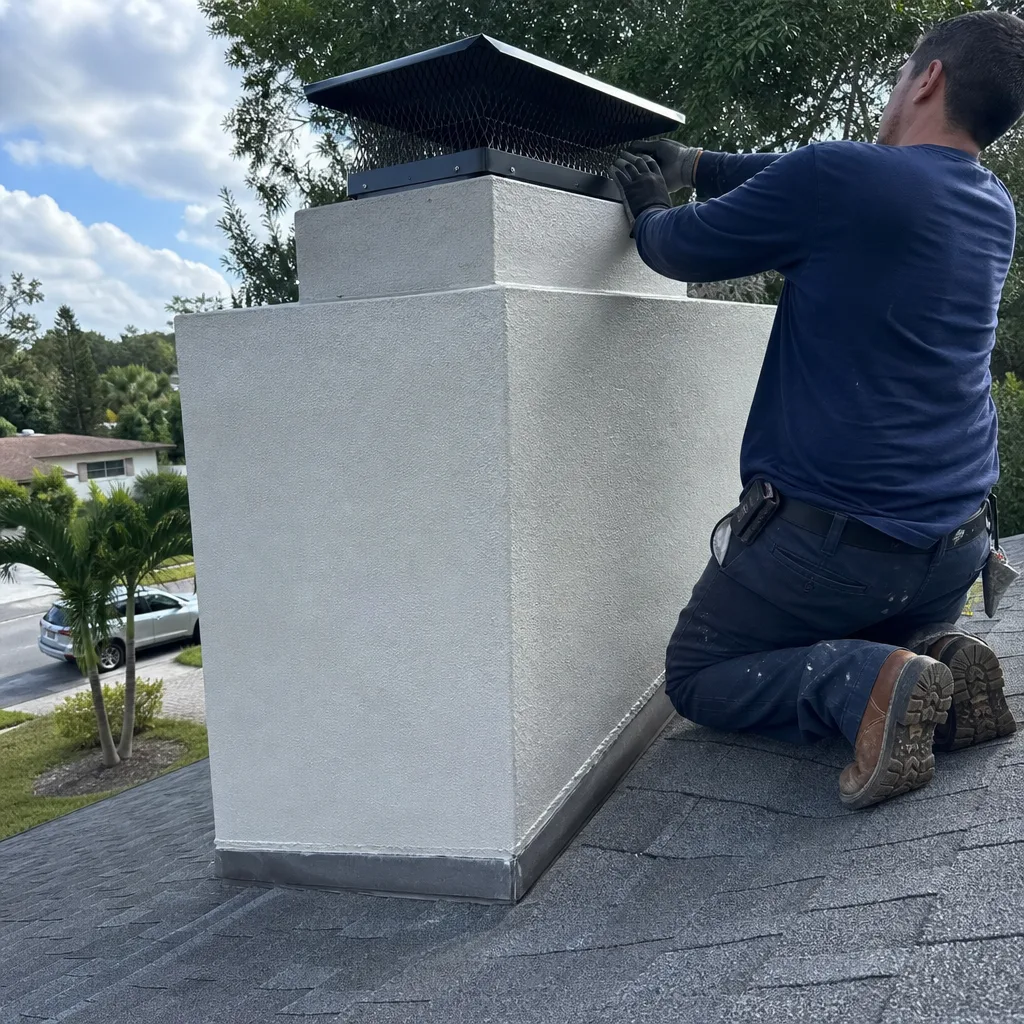 After
After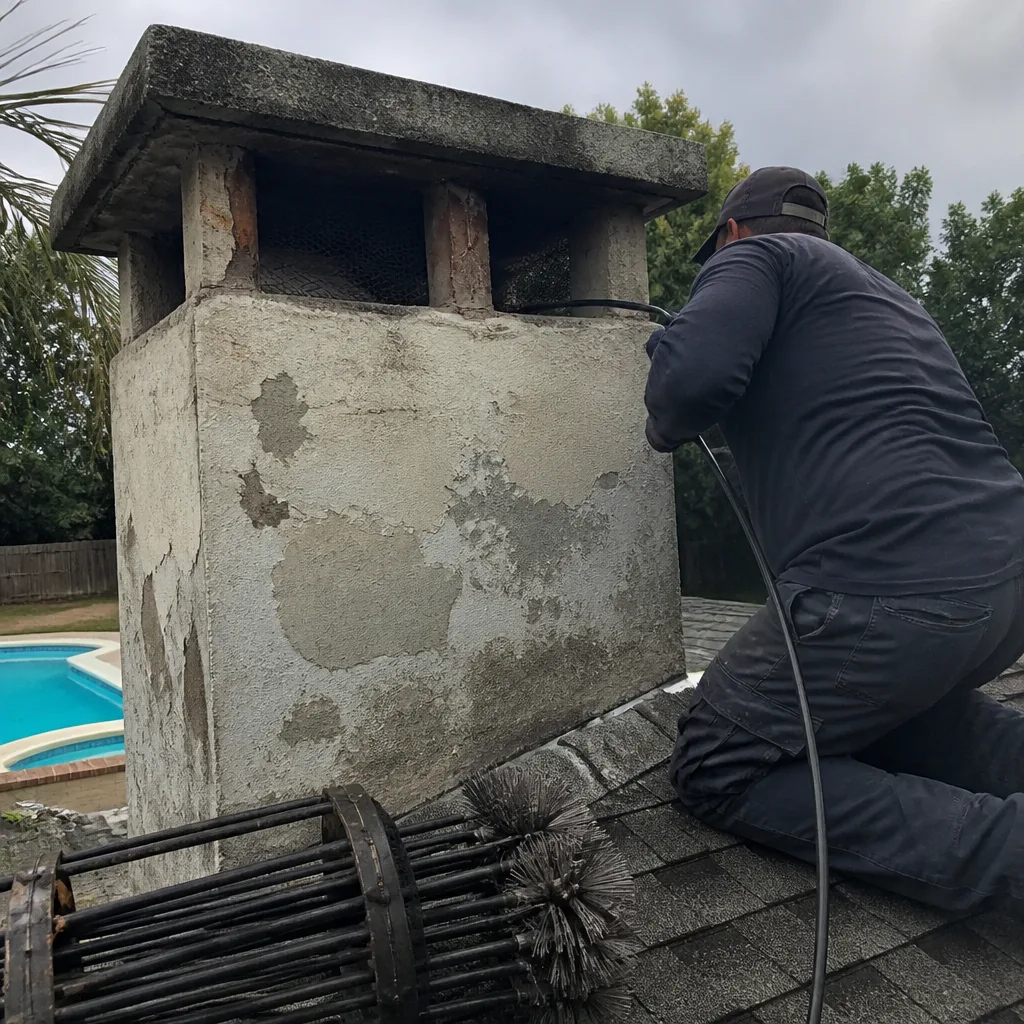 Before
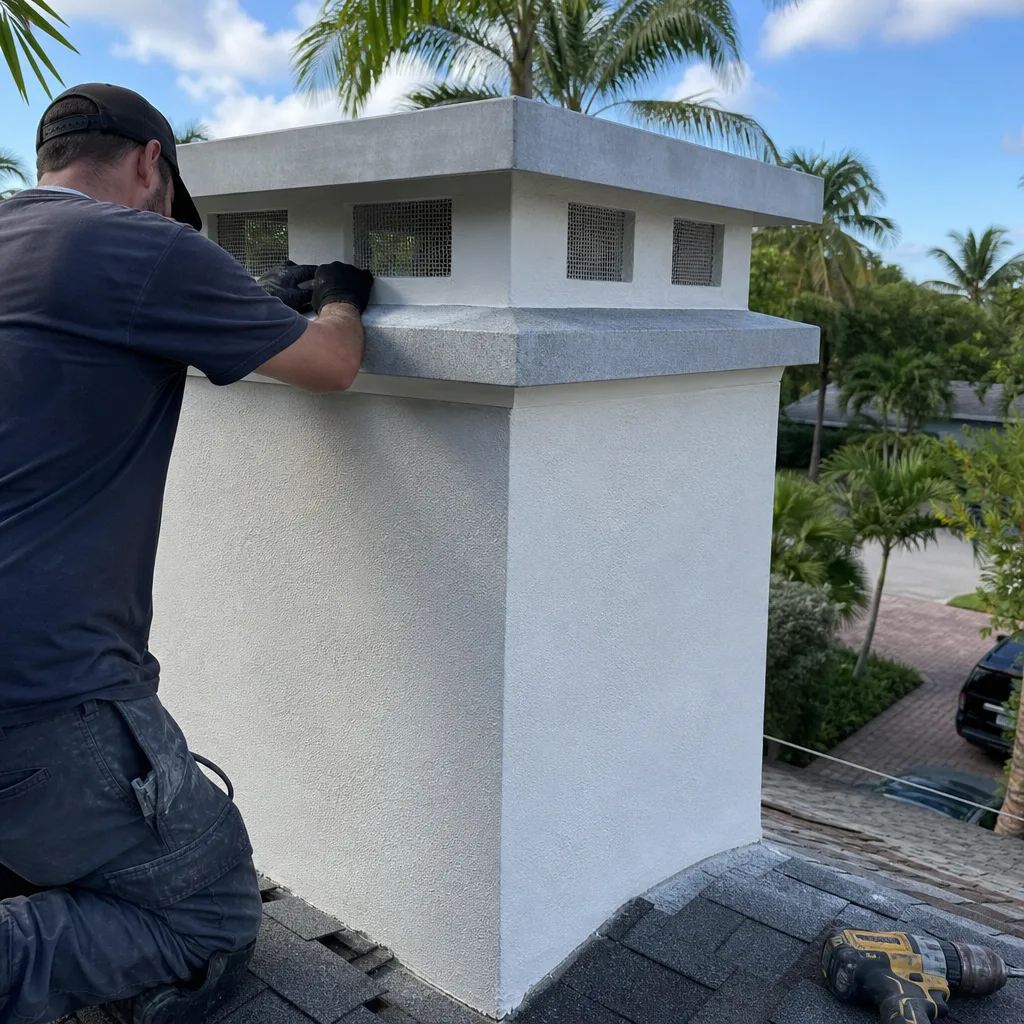 After
After